

15 Creative Bathroom Wall Tile Design Styles You’ll Love
Look, I’ll be honest with you—staring at boring bathroom walls while brushing your teeth every morning can be soul-crushing. Your bathroom deserves better than those builder-grade white tiles that scream “I gave up on design in 2003.”
I’ve spent way too much time (probably an unhealthy amount) obsessing over bathroom tile designs, and I’m here to share the good stuff with you.
Whether you’re planning a full renovation or just daydreaming about what could be, these 15 tile design styles will transform your bathroom from blah to breathtaking.
I’ve tested some of these in my own space, stalked countless design Instagram accounts, and learned what actually works versus what just looks pretty in magazine spreads. Ready to fall in love with your bathroom again?
Modern Marble Bathroom Wall Tile Designs
Marble tiles make me feel like I’m bathing in a luxury hotel every single day, and honestly, who doesn’t want that vibe? The beauty of modern marble designs lies in their versatility—you can go full dramatic with floor-to-ceiling Carrara marble or keep it subtle with marble accent walls.
Here’s what I love about marble tiles: they bring instant sophistication without trying too hard. The natural veining creates movement and visual interest that solid-color tiles simply can’t match.
You’ll find tons of options now, from classic white marble with gray veining to more adventurous choices like green or black marble.
Pro tip: Real marble can be pricey and requires maintenance (it’s porous, FYI), but porcelain tiles that mimic marble look incredibly realistic these days.
I went with porcelain marble-look tiles in my guest bath, and visitors constantly ask if it’s real marble. Score!
When installing marble tiles, consider these approaches:
- Large-format slabs for a seamless, contemporary look with minimal grout lines
- Book-matched patterns where you mirror the veining for dramatic effect
- Herringbone or chevron layouts to add modern geometric flair
- Mix matte and polished finishes for textural contrast
The key is not overdoing it. Marble makes a bold statement on its own, so you don’t need to compete with busy patterns elsewhere in the space.
Minimalist White Subway Tile Walls
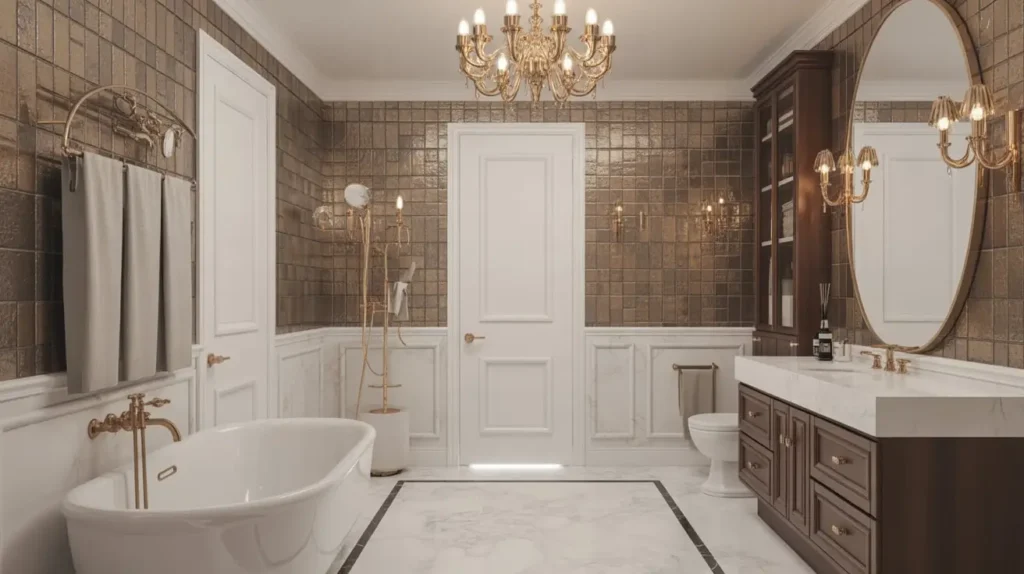
Can we talk about how subway tiles have become the little black dress of bathroom design? They’re classic, they’re versatile, and they never really go out of style. I used to think subway tiles were boring—boy, was I wrong.
The genius of white subway tiles lies in how you arrange them. Traditional brick pattern? Sure, that works. But have you tried vertical stacking, herringbone, or diagonal layouts? Suddenly, those “basic” tiles become anything but ordinary. I recently helped a friend install vertical subway tiles in her powder room, and the effect made the ceiling look miles higher.
White subway tiles work beautifully in literally any bathroom style. Pair them with black fixtures for a modern vibe, add vintage brass hardware for a traditional look, or keep everything white-on-white for that crisp Scandinavian aesthetic. The grout color you choose totally changes the vibe too—dark grout creates definition and a more industrial feel, while white grout keeps things seamless and bright.
Here’s what makes subway tiles winners in my book:
- Budget-friendly compared to most tile options
- Timeless appeal that won’t look dated in five years
- Easy to clean with their smooth, glazed surface
- Endless layout possibilities to express your creativity
One word of caution: because everyone uses subway tiles, you’ll want to add personality through fixtures, accessories, or an unexpected grout color. Otherwise, your bathroom might feel a bit cookie-cutter.
Luxurious Textured Stone Wall Tiles
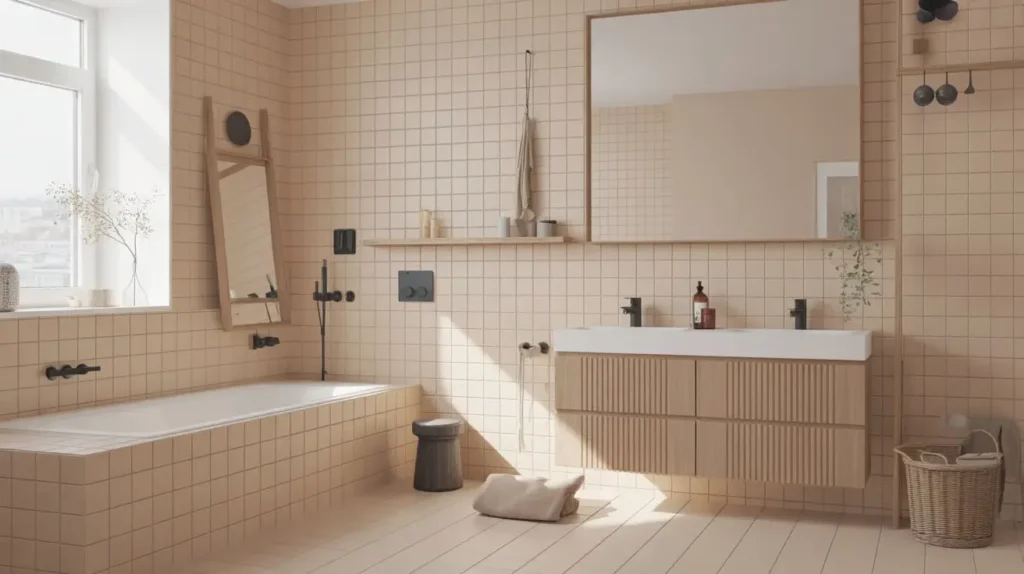
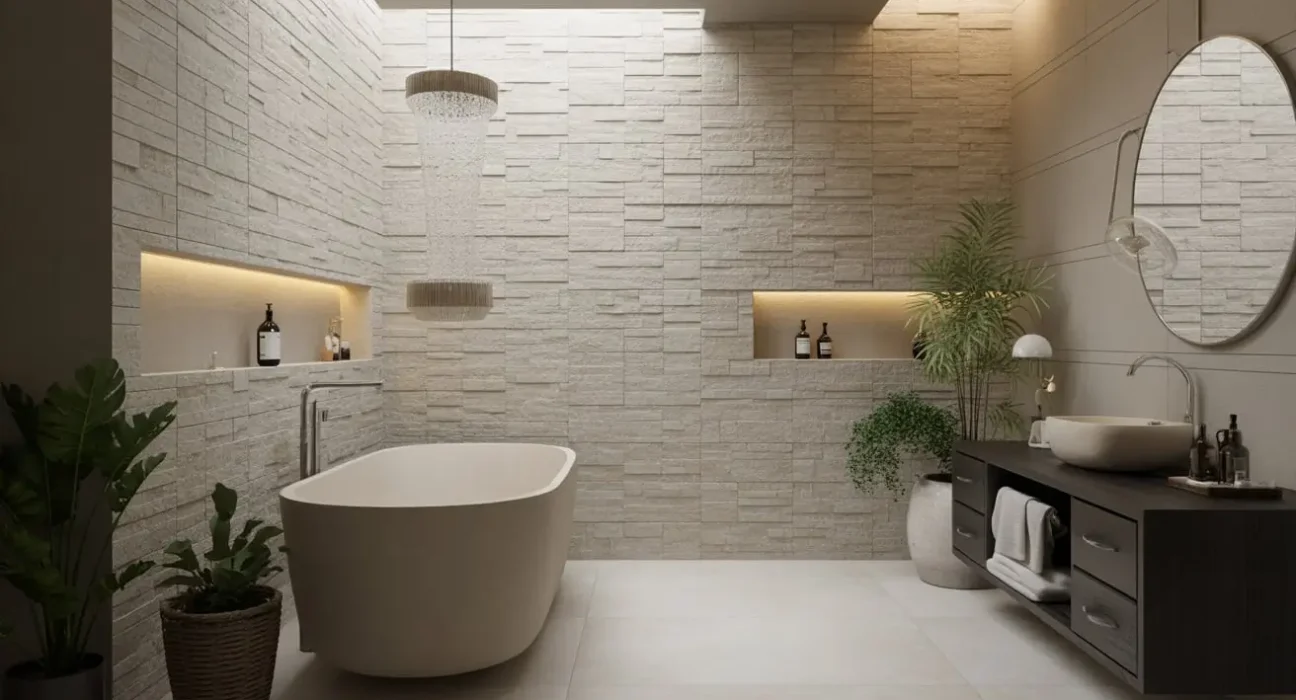
Want to know what separates a nice bathroom from an “oh WOW” bathroom? Texture. Textured stone tiles add depth and tactile interest that flat tiles simply cannot achieve. I’m talking about split-face stone, stacked ledger panels, and natural river rock arrangements.
These tiles feel organic and earthy, bringing the outside in (without the bugs, thankfully). I installed stacked stone tiles behind my freestanding tub, and it created this spa-like focal point that makes bath time feel like a mini vacation. The shadows and highlights that play across the uneven surface throughout the day? Chef’s kiss.
Textured stone works particularly well for accent walls rather than covering every surface. Too much texture can overwhelm a small bathroom and make it feel cave-like (unless you’re going for that grotto vibe, which… hey, no judgment).
Consider these textured stone options:
- Stacked ledger stone for a contemporary linear look
- River rock tiles for a natural, Zen aesthetic
- Split-face travertine for rustic luxury
- 3D wave patterns in limestone for modern drama
Fair warning: textured tiles collect more dust and soap residue than smooth tiles, so you’ll need to stay on top of cleaning. I use a soft brush attachment on my vacuum for the dry dust and a spray bottle with tile cleaner for deeper cleaning. It’s worth the extra effort, though.
Also Read: 15 Stylish Bathroom Floor Tile Trends for Small Spaces
Vintage Patterned Ceramic Tile Walls
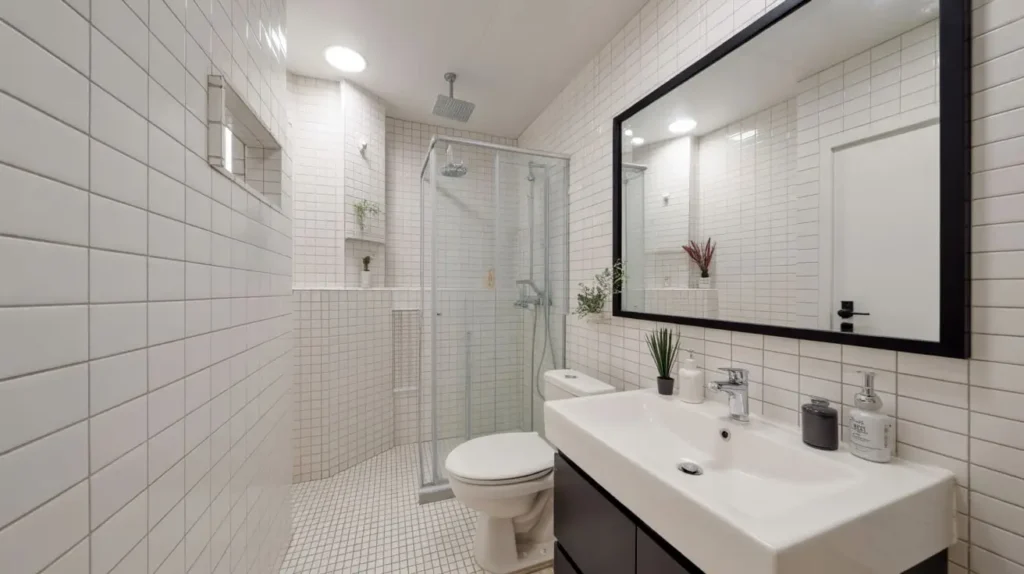
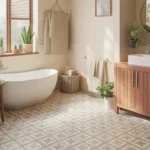
If you’ve got a vintage soul like me, patterned ceramic tiles will make your heart sing. We’re experiencing a major resurgence of retro tile patterns—think Moroccan zellige, Spanish azulejos, and those gorgeous Portuguese tiles you see all over Lisbon.
Patterned tiles inject personality and color into your bathroom like nothing else. I went full-on bold in my powder room with vibrant blue and white Moroccan-inspired tiles, and every guest comments on them. These tiles tell a story and create an instant focal point that elevates the entire space.
The trick with patterned tiles is balance. You don’t want your bathroom to feel like a chaotic circus (unless that’s your thing :)). I recommend using patterned tiles on one accent wall or in a specific zone, then keeping surrounding surfaces simple and neutral.
Here’s how to nail the vintage patterned look:
- Choose one dominant pattern and stick with it for cohesion
- Pair with solid neutral tiles to give your eyes a resting place
- Consider the scale of the pattern relative to your room size
- Mix old and new by combining vintage-style tiles with modern fixtures
IMO, the most successful vintage tile bathrooms embrace the pattern confidently rather than trying to tone it down too much. Go bold or go home, right?
Coastal Blue Bathroom Wall Tile Ideas
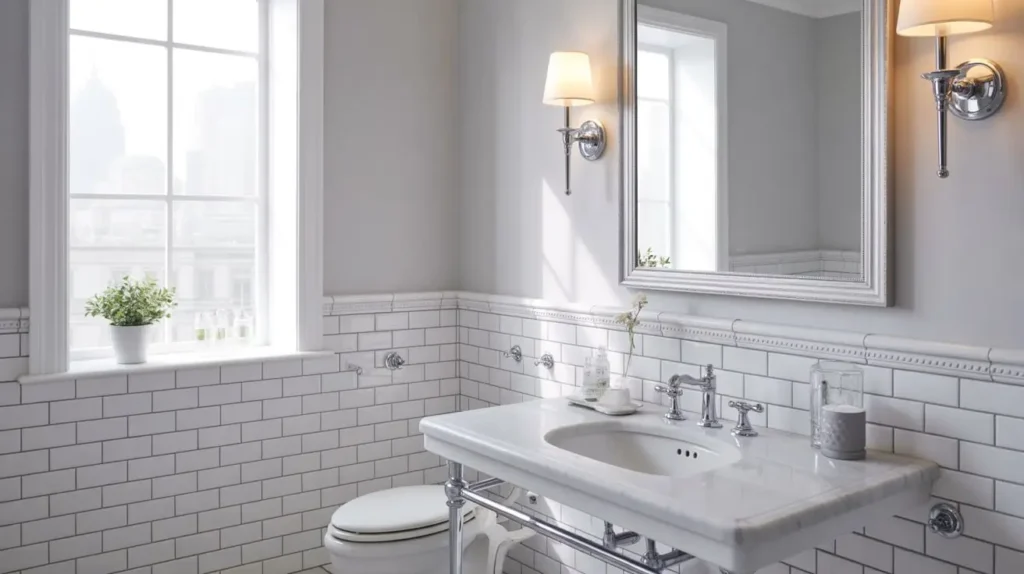
Nothing says “vacation vibes” quite like coastal blue tiles. Whether you live by the ocean or just dream about it, blue bathroom tiles bring that breezy, relaxed atmosphere into your daily routine. I’m partial to this style because it feels fresh without being cold.
Blue tiles come in endless shades—from soft aqua and seafoam to deep navy and cobalt. The shade you choose dramatically affects the mood. Lighter blues feel airy and beachy, while deeper blues create drama and sophistication. I used a gorgeous turquoise glass tile in my beach house bathroom, and it literally sparkles when sunlight hits it.
Here’s a fun fact: Blue tiles actually make small bathrooms feel larger because blue recedes visually. So if you’re working with a cramped space, this could be your secret weapon.
Try these coastal blue tile applications:
- Glass subway tiles in aqua or seafoam for shimmer and depth
- Gradient designs that fade from deep ocean blue to pale sky blue
- Mixed blue mosaics combining different shades for visual richness
- Fish scale tiles (also called scallop or fan tiles) in varying blues
Pair your blue tiles with white grout, natural wood accents, and brass or chrome fixtures for that perfect coastal cottage vibe. Add some rope details, woven baskets, and you’ll practically hear the waves crashing.
Geometric Mosaic Tile Wall Designs
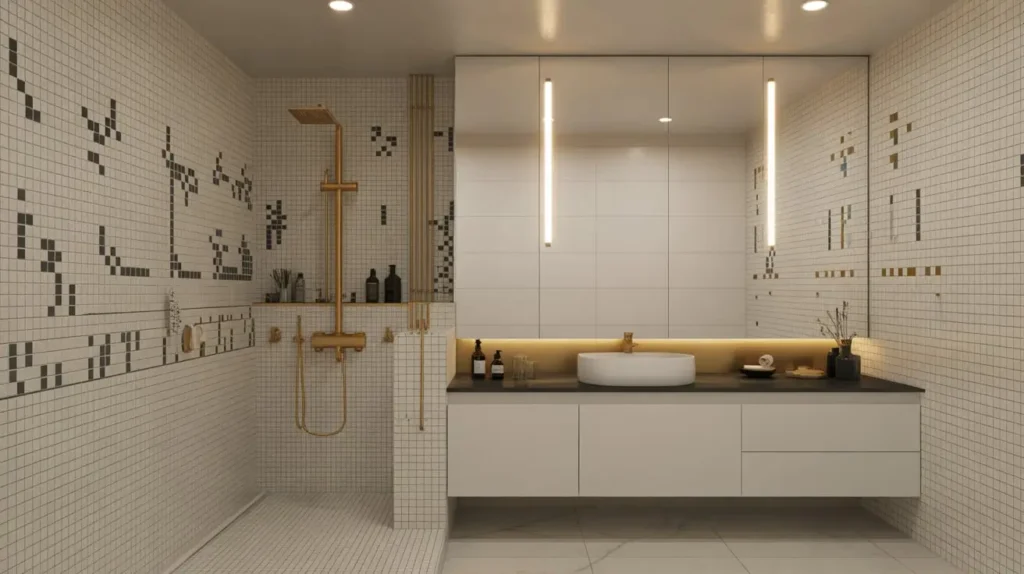
Geometric tiles are for people who appreciate order, pattern, and a touch of mathematical beauty (yes, I just made tile sound nerdy, and I’m not sorry). Hexagons, diamonds, triangles, chevrons—geometric mosaics create rhythm and movement that guides the eye around your space.
I recently installed penny-round tiles in my shower, and the geometric repetition feels both vintage and modern simultaneously. That’s the magic of geometric patterns—they transcend specific style categories and work across design aesthetics.
The coolest thing about geometric tiles? You can create optical illusions and 3D effects. I’ve seen hexagon tiles installed in gradient colors that make walls appear to have depth and dimension. Ever wondered why designers obsess over these? Because they transform flat surfaces into architectural art.
Popular geometric patterns include:
- Hexagon tiles (from tiny penny rounds to large statement hexes)
- Chevron and herringbone for dynamic diagonal energy
- Moroccan star patterns for exotic sophistication
- 3D cube designs that create visual depth
- Arabesque (lantern) shapes for elegant curves
You can stick with monochromatic geometrics for subtle interest or go multicolored for maximum impact. Just remember: the smaller the individual tiles, the more grout lines you’ll have, which means more maintenance. Choose wisely based on your cleaning commitment level.
Elegant Black and Gold Tile Bathrooms

Let’s talk about drama, baby. Black and gold tile combinations bring luxe, glamorous energy that screams confidence. This isn’t for the design-timid—it’s for people who want their bathroom to make a statement before anyone even turns on the faucet.
I’ll admit I was intimidated by black tiles at first (won’t they make the space feel dark?), but when done right, they create stunning contrast and sophistication. The gold accents catch light and prevent the black from feeling heavy or oppressive. Think of it as your bathroom’s version of a tuxedo with gold cufflinks.
The secret sauce: Balance is everything here. You can’t go all-black-all-the-time unless you want your bathroom to feel like a cave (again, no judgment if caves are your aesthetic). I recommend black tiles with gold veining, or black field tiles with gold accent strips or borders.
Ways to rock the black and gold look:
- Black marble with gold veining for natural luxury
- Matte black tiles with metallic gold trim pieces
- Black hexagons with random gold hexagons scattered throughout
- Black subway tiles with gold grout (bold move, but incredibly chic)
- Large black tiles with gold metal inlay strips
Pair with gold fixtures, warm lighting, and maybe a vintage mirror, and you’ve got yourself a bathroom that belongs in a boutique hotel. Just make sure you have adequate lighting—black absorbs light, so you’ll need to compensate with good fixtures.
Scandinavian Neutral Tile Wall Styles
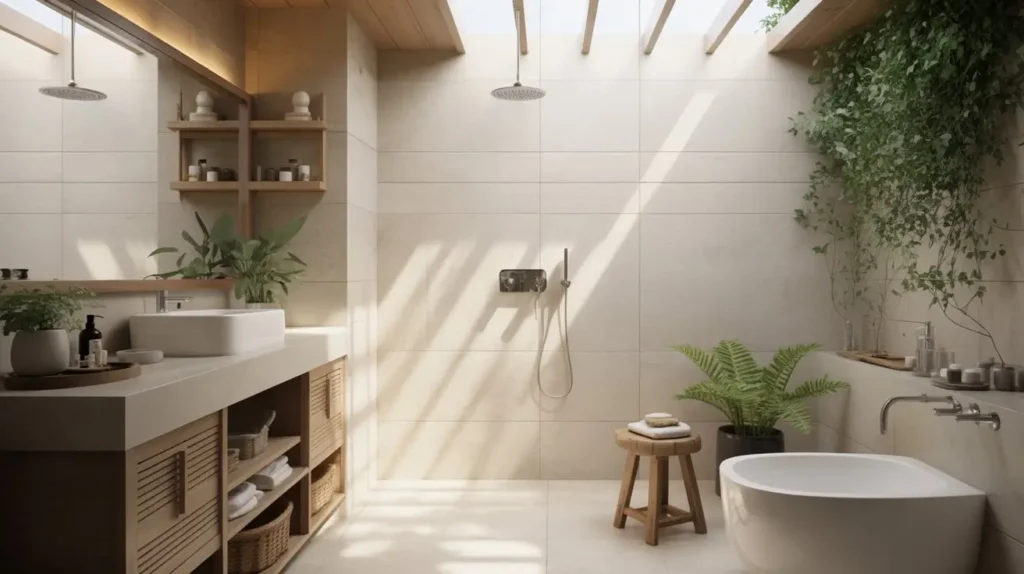
Ah, Scandinavian design—where “less is more” isn’t just a saying, it’s a religion. Neutral tile walls in soft grays, warm beiges, whites, and natural tones create calming, minimalist bathrooms that feel like a deep breath after a chaotic day.
I’m a huge fan of this approach because it’s basically stress-proof. Scandinavian bathrooms focus on natural materials, simple lines, and functional beauty. The tiles don’t compete for attention; they provide a serene backdrop for your daily rituals. Plus, neutral tiles mean you can easily switch up accessories and décor without clashing.
The key to preventing neutral bathrooms from feeling boring? Texture and variation. Mix matte and glossy finishes, combine different tile sizes, or incorporate wood-look tiles alongside stone-look tiles. I used three different shades of gray tiles in my primary bathroom—all neutral, but the subtle variation keeps it interesting.
Essential elements of Scandinavian tile design:
- Large-format tiles to minimize grout lines and create seamlessness
- Natural stone looks in soft, muted tones
- White or light gray grout to maintain the airy feeling
- Concrete-look tiles for industrial-minimalist vibes
- Soft warm grays rather than cool, sterile grays
This style pairs beautifully with natural wood vanities, black metal fixtures, and plenty of green plants. The result? A bathroom that feels like a hygge haven where you actually want to spend time.
Small Bathroom Bright Tile Designs
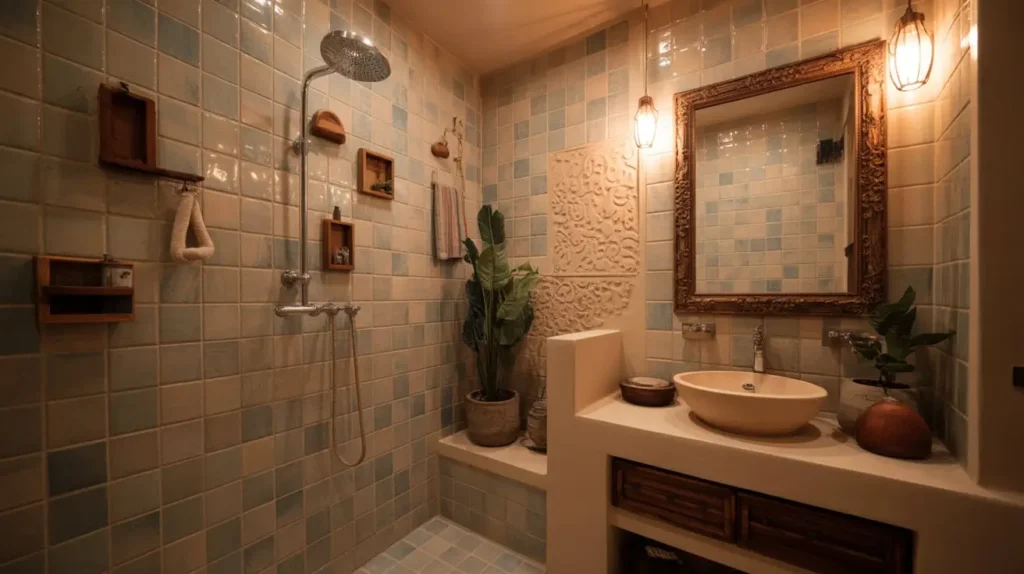
Small bathrooms present a unique challenge—how do you make limited square footage feel spacious and inviting? Bright tiles are your best friend here, and I’ve learned this through trial and error (mostly error, if I’m being honest).
Light-colored tiles reflect light, making small spaces feel larger and more open. But “bright” doesn’t mean boring white (though white absolutely works). I’m talking about soft pastels, warm creams, light yellows, and even bright accent colors used strategically.
In my tiny powder room, I used white subway tiles on most walls but added a vertical strip of bright yellow tiles behind the mirror. That pop of color draws the eye upward, making the ceiling feel higher, while the white tiles keep the space from feeling cramped. Clever, right?
Bright tile strategies for small bathrooms:
- Light-reflective glazed tiles to maximize available light
- Vertical patterns to create the illusion of height
- Large tiles to reduce visual clutter from grout lines
- Glossy finishes over matte for light reflection
- Strategic color pops to create focal points and depth
Here’s what you should avoid in small bathrooms: dark colors that absorb light, busy patterns that overwhelm the space, and tiny mosaic tiles that create visual chaos. Keep it bright, keep it simple, and your small bathroom will feel significantly larger.
Bold Statement Wall Tile Patterns

Some people whisper. Others shout. Bold statement tiles are definitely in the shouting category, and I absolutely love them for that. These are the tiles that make people stop in their tracks—the conversation starters, the Instagram-worthy backdrops, the “I can’t believe you actually did that” designs.
Statement walls work best when you commit fully. Don’t apologize for your bold choices by trying to tone them down—lean into the drama! I created a statement wall in my guest bathroom with large-scale tropical leaf tiles, and it’s become the most photographed spot in my house.
The beauty of statement tiles is that you typically use them on just one wall, which means you can afford to splurge on something really special without breaking the bank. The other walls can be simple and neutral, allowing your statement wall to shine.
Bold pattern ideas that work:
- Large-scale florals or botanicals for organic drama
- High-contrast black and white patterns for graphic impact
- Colorful encaustic cement tiles with intricate designs
- Oversized geometric patterns in unexpected color combinations
- Artistic murals created with custom tile arrangements
Fair warning: statement walls aren’t for everyone. If you prefer subtle, timeless design, this might feel too trendy. But if you love expressing your personality and aren’t afraid of making design waves, go for it. You only live once, right?
Also Read: 15 Elegant Green Tile Bathroom Designs for a Modern Look
Natural Wood-Look Tile Wall Ideas
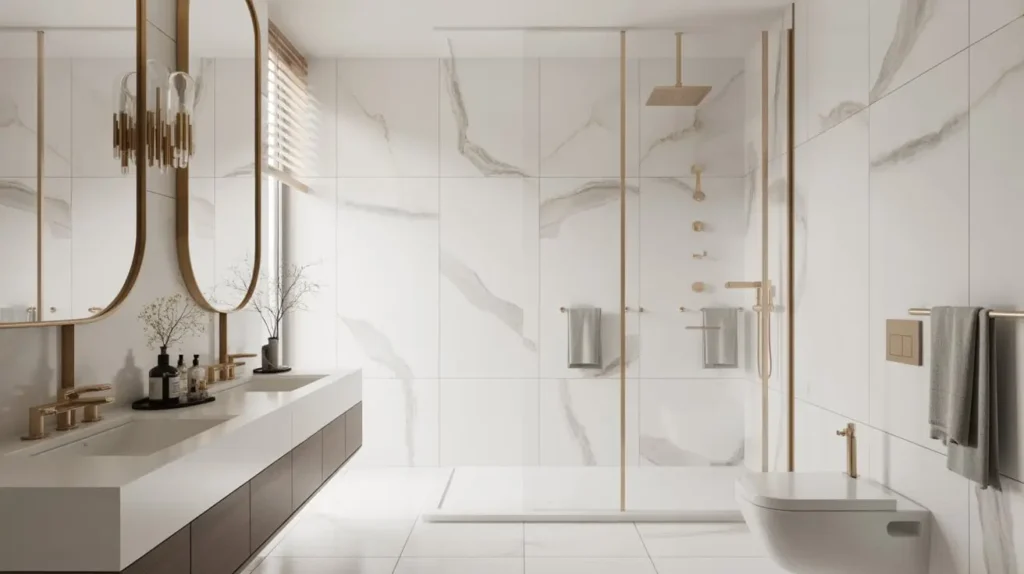
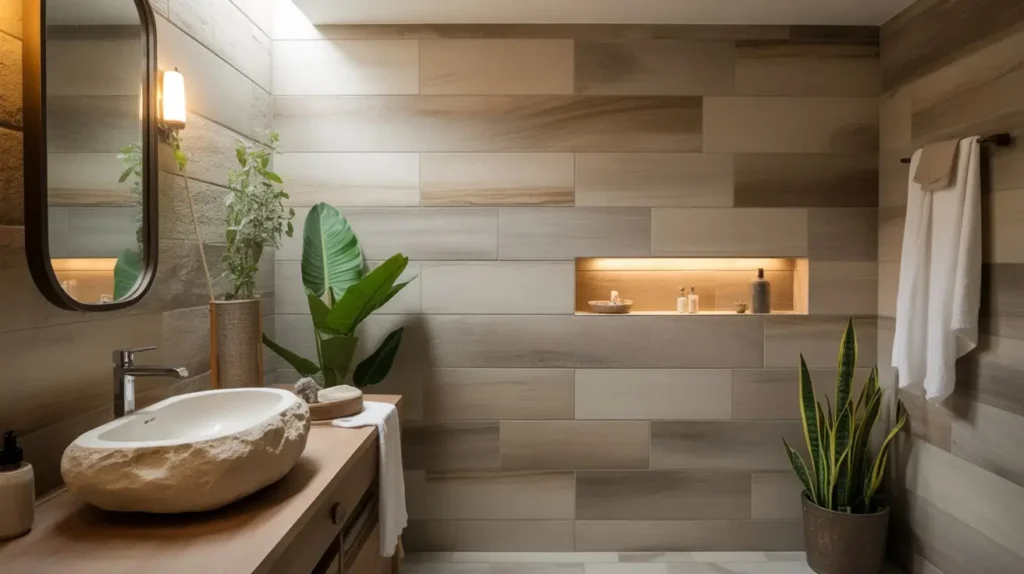
Here’s something that blew my mind when I first discovered it: tiles that look like wood but perform like ceramic or porcelain. Wood-look tiles bring warmth and natural beauty to bathrooms without the moisture concerns of actual wood.
Real wood in bathrooms is risky business—water damage, warping, maintenance headaches. But wood-look tiles? They give you all the aesthetic benefits with none of the anxiety. I installed them in my primary bathroom shower, and people genuinely can’t tell they’re not real wood until they touch them.
The technology has improved so much that modern wood-look tiles feature realistic grain patterns, knots, and color variations. You can choose from weathered barn wood, sleek modern planks, rustic reclaimed looks, or polished hardwood aesthetics.
Why wood-look tiles rock:
- Waterproof and durable for worry-free bathroom use
- Low maintenance compared to real wood
- Versatile styling from rustic to contemporary
- Available in various plank sizes to mimic real wood flooring
- Warmer aesthetic than stone or ceramic tiles
I recommend using wood-look tiles as accent walls, in shower niches, or even on full shower walls for a spa-like cabin vibe. Pair them with white tiles or natural stone for beautiful contrast. Just avoid using them everywhere—too much faux wood can feel gimmicky rather than authentic.
Glamorous Metallic Accent Tile Walls
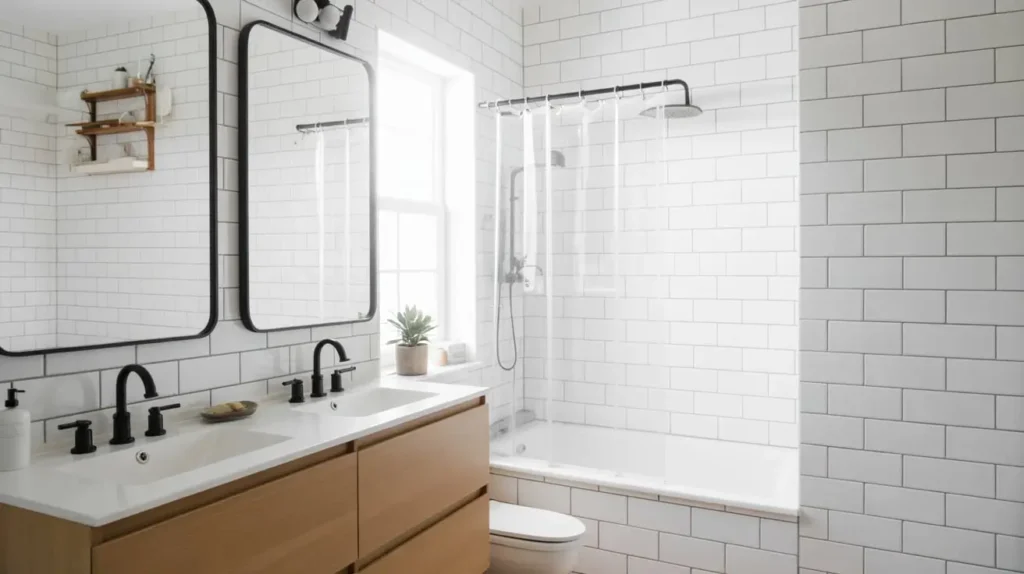
Want to add some sparkle and shine to your morning routine? Metallic tiles might be your jam. We’re talking copper, bronze, silver, gold, and even iridescent finishes that catch light and create visual magic.
Metallic tiles work best as accents rather than covering entire walls (unless you want your bathroom to look like a disco ball, which… actually might be amazing). I used copper penny-round tiles in a vertical stripe in my powder room, and when light hits them, it’s like the wall comes alive.
The reflective quality of metallic tiles adds dimension and luxury without requiring expensive materials everywhere. A small investment in metallic accent tiles creates a high-end look for a fraction of the cost of full-wall fancy tiles.
Metallic tile application ideas:
- Accent strips running horizontally or vertically through neutral field tiles
- Shower niches lined with metallics for jewel-box effect
- Border tiles framing mirrors or defining zones
- Random metallic tiles scattered throughout a solid-color layout
- Full accent walls behind vanities or tubs (for the bold)
Here’s my advice: choose metallic finishes that complement your fixture finishes. Gold tiles with brass fixtures? Perfect. Silver tiles with chrome? Beautiful. Mixed metals can work too, but it requires a confident design hand to pull off successfully.
Spa-Inspired Zen Tile Wall Designs
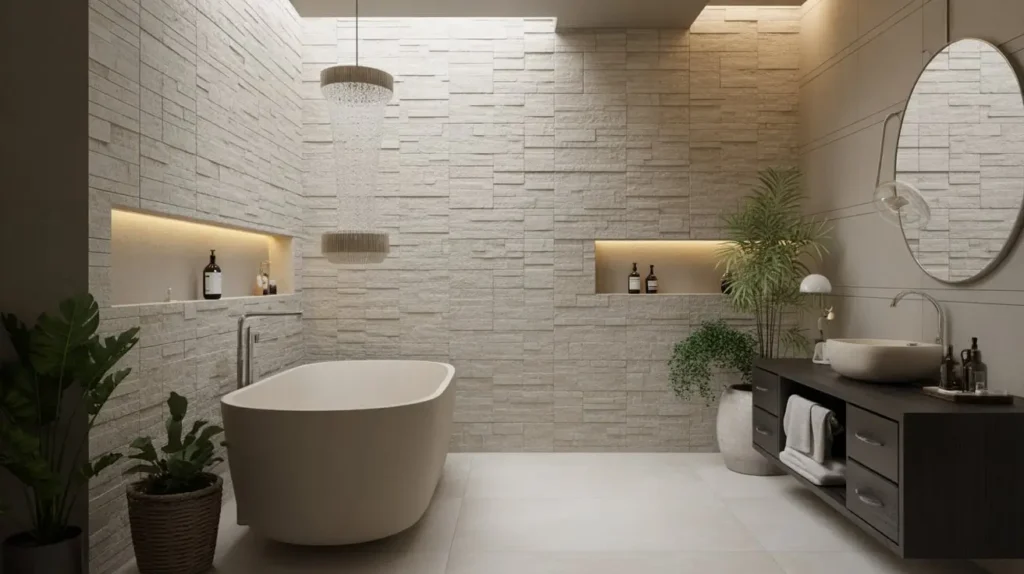
After a stressful day, your bathroom should feel like a retreat, not another source of chaos. Spa-inspired tile designs create that serene, meditative atmosphere that helps you decompress and recharge. Think natural materials, neutral palettes, and organic textures.
I completely renovated my primary bathroom with a spa aesthetic, and it genuinely changed my daily routine. Instead of rushing through my shower, I actually pause and breathe. The tile choices made a huge difference—I went with river rock pebble tiles in the shower floor and stacked stone on one wall.
Zen bathrooms embrace natural imperfection. You’re not looking for perfectly uniform tiles; you want variation, texture, and organic shapes that mimic nature. The goal is creating a space that feels grounded and peaceful.
Essential spa-inspired tile elements:
- Natural stone tiles in soft earth tones
- Pebble or river rock tiles for tactile foot massage
- Bamboo-look ceramic tiles for Asian-inspired serenity
- Large-format tiles in soft greens, grays, or beiges
- Unglazed matte finishes for natural, earthy appeal
Combine these tiles with natural wood accents, plants, soft lighting, and minimalist fixtures. The result is a bathroom that functions like your personal meditation retreat. Who needs expensive spa memberships when your bathroom feels this good?
Artistic Handmade Tile Wall Concepts
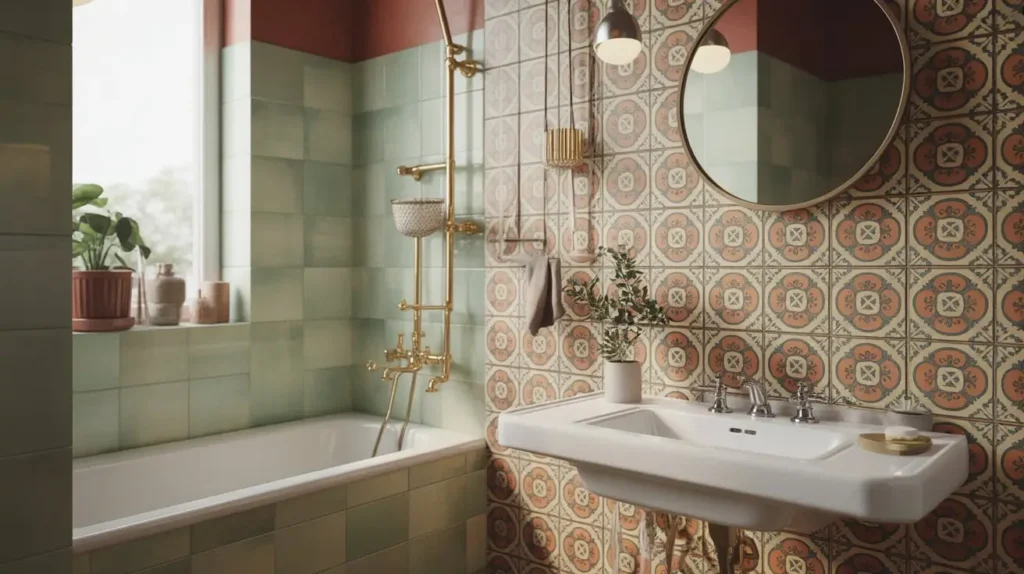
Mass-produced tiles are fine, but handmade tiles? They’re art. Each piece carries slight variations in color, shape, and texture that give your bathroom genuine character and uniqueness. No two handmade tiles are exactly alike, which means your bathroom becomes truly one-of-a-kind.
I splurged on handmade Moroccan zellige tiles for my kitchen backsplash (not bathroom, but same principle), and the artisanal quality elevates the entire space. The subtle irregularities and color variations create depth that machine-made tiles simply cannot replicate.
Handmade tiles connect you to craftsmanship traditions spanning centuries. Whether you choose Mexican Talavera, Portuguese azulejos, or contemporary artist-made tiles, you’re supporting artisans and bringing authentic human creativity into your home.
Where to use handmade tiles effectively:
- Accent walls where their uniqueness becomes a focal point
- Behind vanities as artistic backdrops
- In shower niches as jewel-box surprises
- As borders or trim framing standard tiles
- Mixed with simpler tiles to stretch your budget while maintaining impact
The downside? Handmade tiles cost more and require more careful installation due to size variations. But if you value authenticity and artistic expression, they’re worth every penny. Plus, you’ll have a bathroom element that sparks actual joy every time you see it.
Timeless Gray and White Tile Combinations
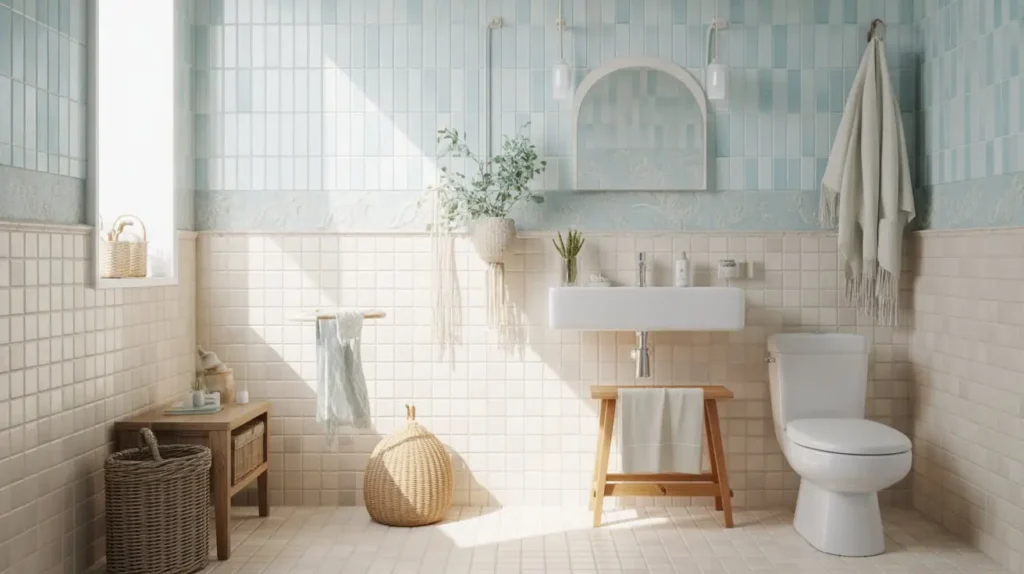
Let’s end with a classic that never fails: gray and white tile combinations. This pairing works in literally any design style—traditional, modern, farmhouse, industrial, you name it. I keep coming back to gray and white because it provides endless flexibility.
The beauty of this combination lies in its versatility and longevity. You won’t look at gray and white tiles in five years and think “what was I thinking?” (unlike that time I painted my bedroom hot pink… but that’s another story). These colors provide a neutral foundation that works with any accent colors you want to introduce through towels, accessories, or paint.
I’ve used gray and white combinations in multiple bathrooms, and each one looks completely different based on the pattern, layout, and proportions I chose. In one, I did white subway tiles with dark gray grout. In another, I mixed gray marble-look tiles with white geometric patterns. Same color palette, totally different vibes.
Ways to work the gray and white combination:
- White field tiles with gray accent tiles for subtle variation
- Gray marble-look with white grout for classic elegance
- Checkered patterns in alternating gray and white squares
- Ombre designs transitioning from white to gray
- Mixed sizes with large gray tiles and small white mosaics
The proportions matter too. More white than gray creates a bright, airy feel. More gray than white feels sophisticated and cozy. Equal amounts create balanced, classic appeal. You really can’t go wrong with this combination, which is why I recommend it to anyone feeling overwhelmed by bathroom tile decisions.
Your Bathroom, Your Canvas
Look, I could talk about bathroom tiles for hours (my friends have literally told me to stop), but here’s the bottom line: your bathroom should reflect your personality and make you happy every single day. Don’t just pick tiles because they’re trendy or because your neighbor used them.
The 15 styles I’ve shared give you a solid starting point, but the magic happens when you make them your own. Mix styles, break rules, trust your instincts. Want to combine coastal blue with geometric patterns? Do it. Feeling drawn to black and gold but want to soften it with some marble? Go for it.
I’ve learned through my own renovation adventures (and mistakes—so many mistakes) that the best design decisions come from understanding what you love and having the courage to pursue it. Bathroom tiles are a long-term commitment, so choose something that resonates with you personally rather than just following trends.