

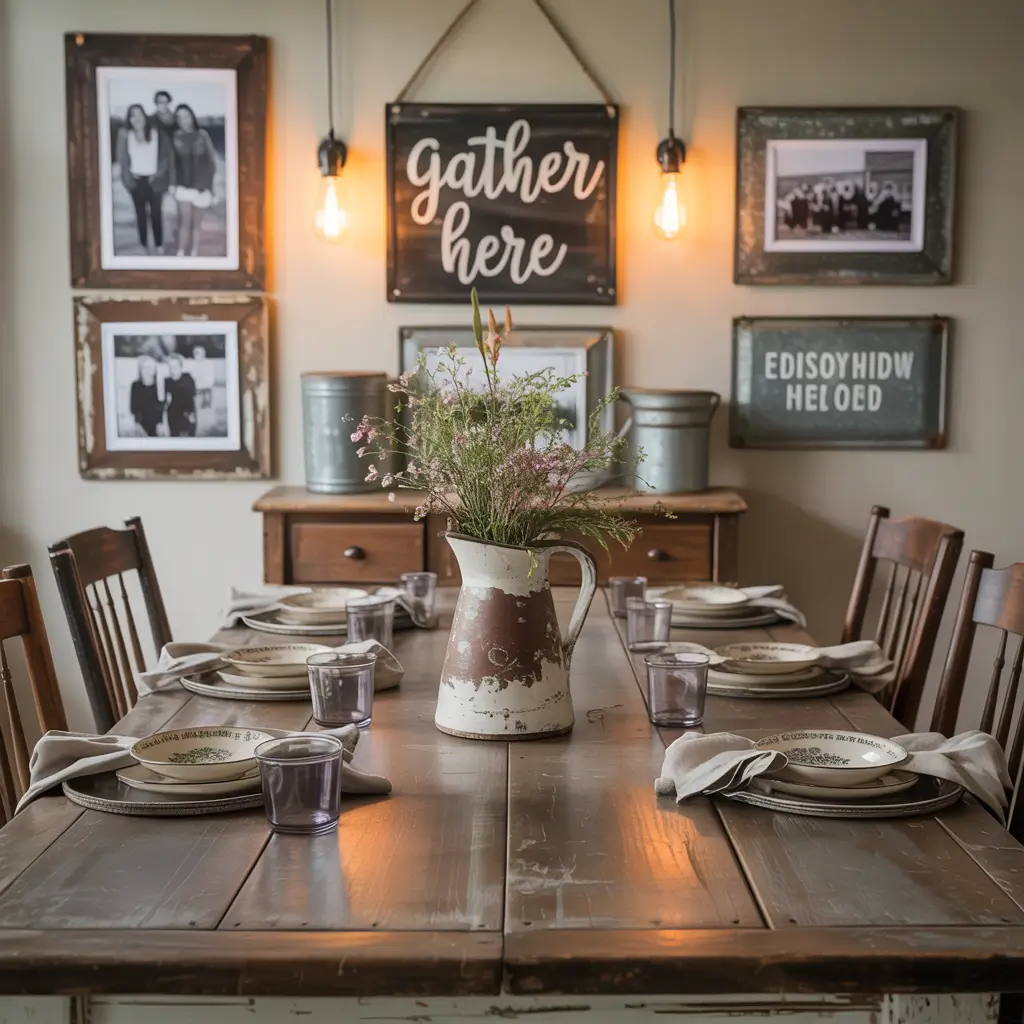
15 Trendy Very Small Living Room Ideas for 2025 Homes
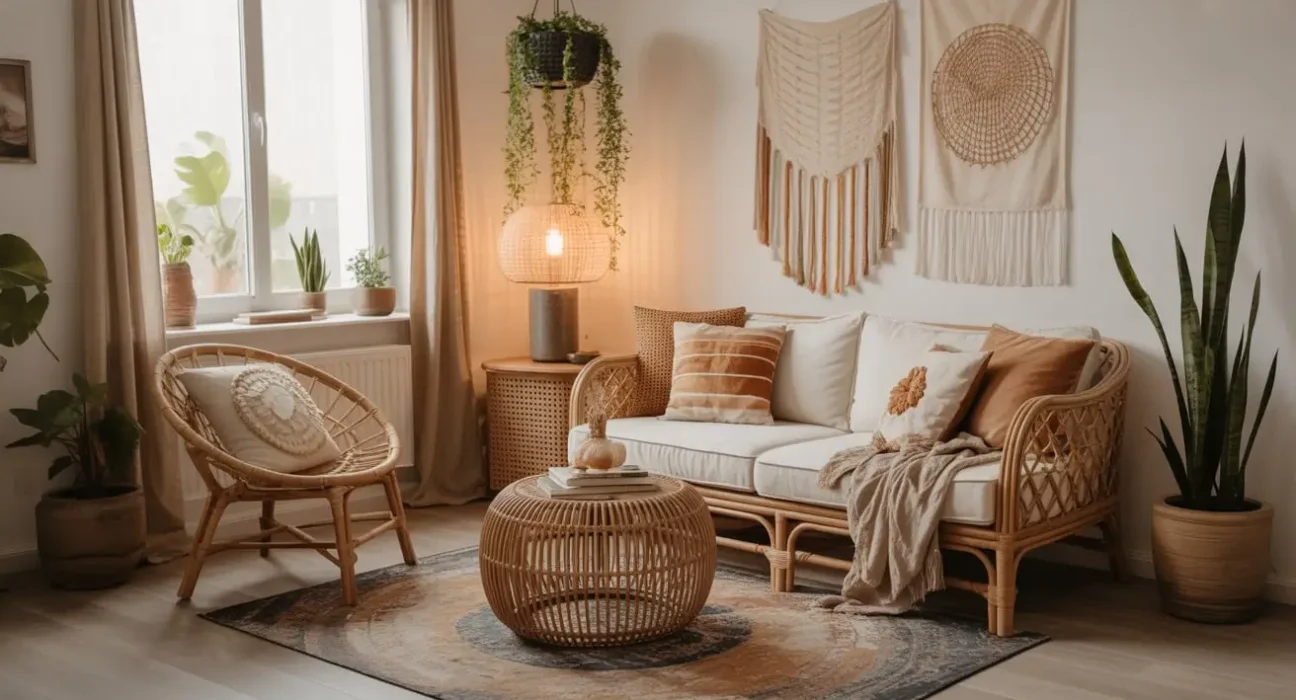
Look, I get it. You’re staring at your tiny living room wondering how on earth you’ll fit a couch, coffee table, AND still have space to actually, you know, live. Been there, done that, got the bruised shins from bumping into furniture.
Small living rooms aren’t a design curse—they’re actually your chance to get super creative and make every single inch count. I’ve spent years figuring out how to make cramped spaces feel like airy sanctuaries, and honestly? Some of my favorite rooms have been the smallest ones. They force you to think outside the box and ditch all that unnecessary stuff we accumulate.
So grab your measuring tape (you’ll need it), and let’s talk about 15 actually trendy ideas that’ll transform your shoebox living room into the cozy, functional space you’ve been dreaming about. No fluff, no impossible Pinterest fantasies—just real solutions that work.
Minimalist Compact Sofa Setup
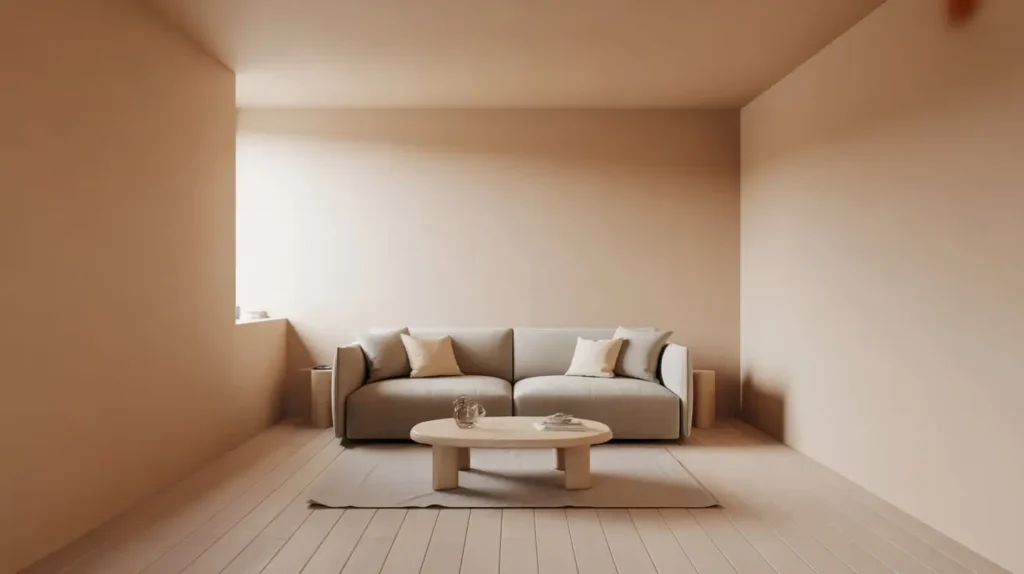
You know what kills a small living room faster than anything? A giant, overstuffed sectional that eats up every available square foot. I learned this the hard way when I tried cramming my old college couch into my first apartment. Spoiler alert: it looked ridiculous.
Minimalist compact sofas are your new best friend. I’m talking sleek, low-profile designs with clean lines and slim arms. These babies typically measure around 72-76 inches long instead of the standard 84+ inches, and that difference is HUGE when you’re working with limited space.
Here’s what to look for:
- Raised legs that create visual space underneath
- Slim track arms instead of chunky rolled ones
- Firm cushions that don’t sag and make the sofa look bigger
- Neutral upholstery in linen, cotton, or performance fabrics
The trick? Pair your compact sofa with equally streamlined furniture. A minimalist coffee table, one accent chair, and boom—you’ve got a functional seating area that doesn’t feel like a furniture showroom exploded. The negative space you create becomes just as important as the furniture itself.
Floating Shelves for Vertical Storage
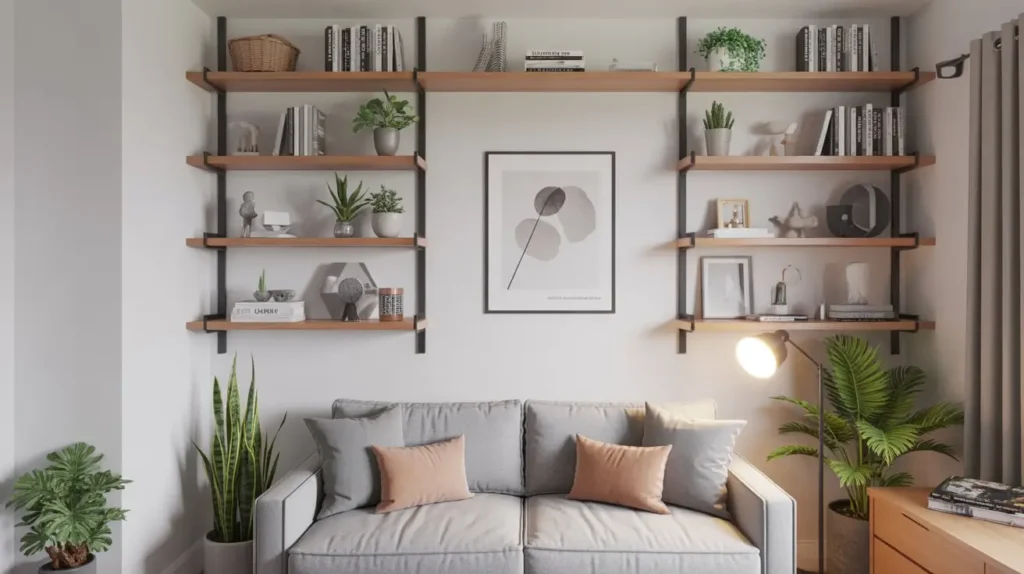
Ever notice how we obsess over floor space but completely ignore our walls? Total rookie mistake, IMO.
Floating shelves are the unsung heroes of small living room design. They give you tons of storage and display space without hogging precious floor real estate. I installed three levels of floating shelves in my last apartment, and suddenly I had room for books, plants, that weird ceramic cat my aunt gave me—everything.
Here’s the game plan:
- Go high: Install shelves above eye level to draw the gaze upward
- Vary the lengths: Mix 24-inch, 36-inch, and 48-inch shelves for visual interest
- Keep them shallow: 8-10 inch depth is plenty and won’t make the room feel closed in
- Style thoughtfully: Group items in odd numbers and leave some breathing room
Pro tip? Paint your floating shelves the same color as your walls. They’ll seem to disappear while still providing function. It’s like design magic, except you’re just tricking people’s eyes. 🙂
Light Neutral Color Palette Magic
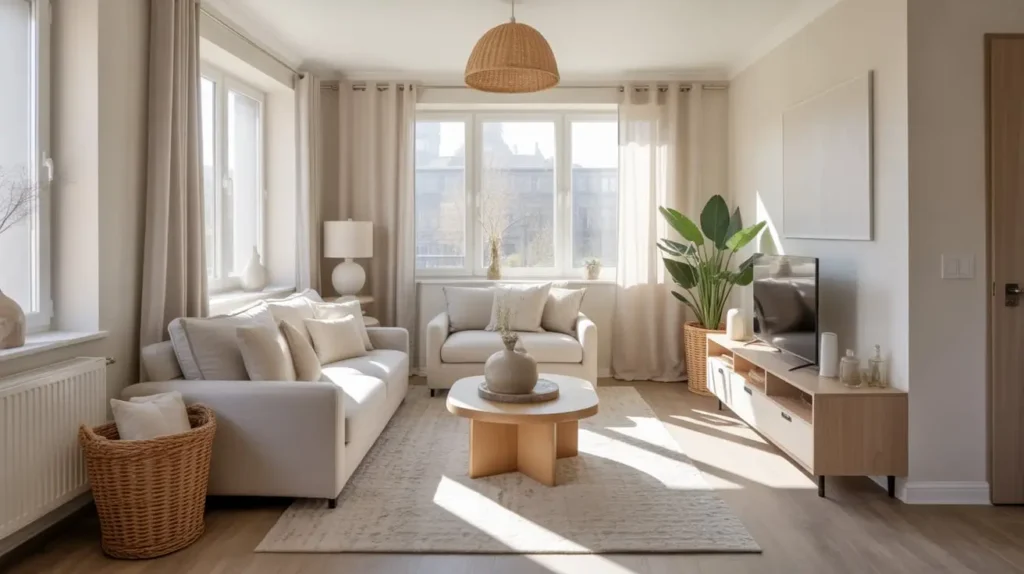
Okay, I know “paint everything white” sounds boring as heck, but hear me out. Light neutral color palettes genuinely make small spaces feel larger and more open. It’s not about going full-on sterile hospital—it’s about creating a cohesive, airy foundation.
I’m talking soft whites, warm beiges, gentle grays, and creamy taupes. These colors reflect light instead of absorbing it, which seriously amplifies whatever natural light you’re working with.
But here’s the thing nobody tells you: you need layers of neutrals to avoid the bland factor. Try this approach:
- Walls: Warm white or pale greige
- Sofa: Oatmeal linen or soft gray
- Accents: Cream, ivory, and light wood tones
- Texture: Where you add the real interest
The texture part is crucial. Mix smooth surfaces with nubby fabrics, add a chunky knit throw, incorporate some natural wood—suddenly your neutral room has depth and personality without overwhelming the space with color. You can always punch it up with colorful pillows or artwork that you can swap seasonally.
Corner L-Shaped Seating Arrangement
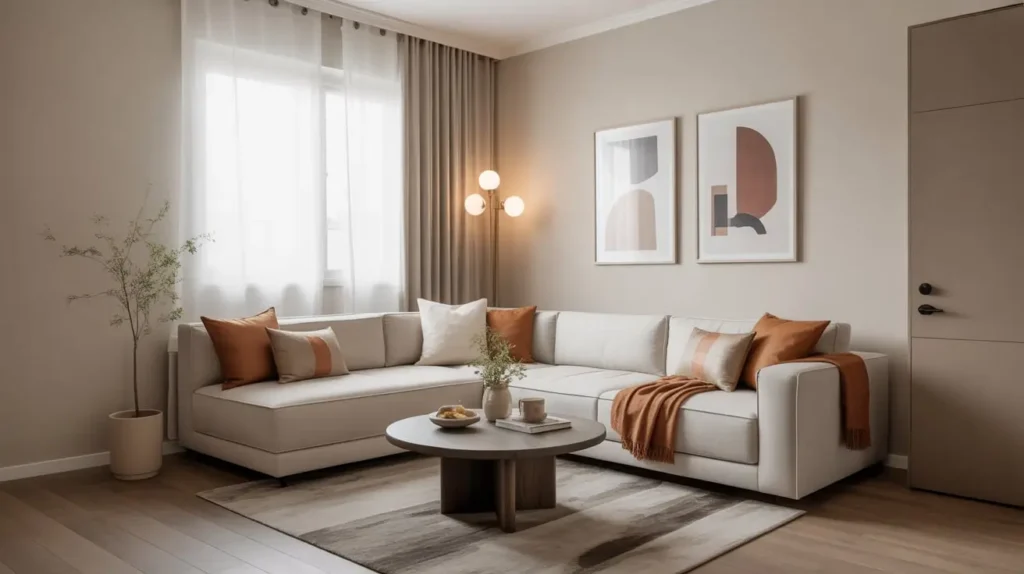
Why do we always shove furniture against the walls and call it a day? Corners are prime real estate that most people completely waste.
An L-shaped seating arrangement tucked into a corner maximizes your seating capacity while actually freeing up the center of the room. I tried this configuration last year, and suddenly I could host six people comfortably in a room where I previously struggled to fit four.
Here’s how to nail it:
- Choose a compact sectional specifically designed for small spaces
- Or create your own with a loveseat and a small sofa positioned perpendicular
- Add a round coffee table instead of rectangular (easier to navigate around)
- Leave the opposite corner open to maintain flow and breathing room
The beauty of corner seating? It naturally creates a conversation area that feels intimate and intentional. Plus, you can tuck end tables right into those inside corners for bonus functionality. It’s like Tetris, but make it furniture.
Foldable Furniture for Flex Spaces
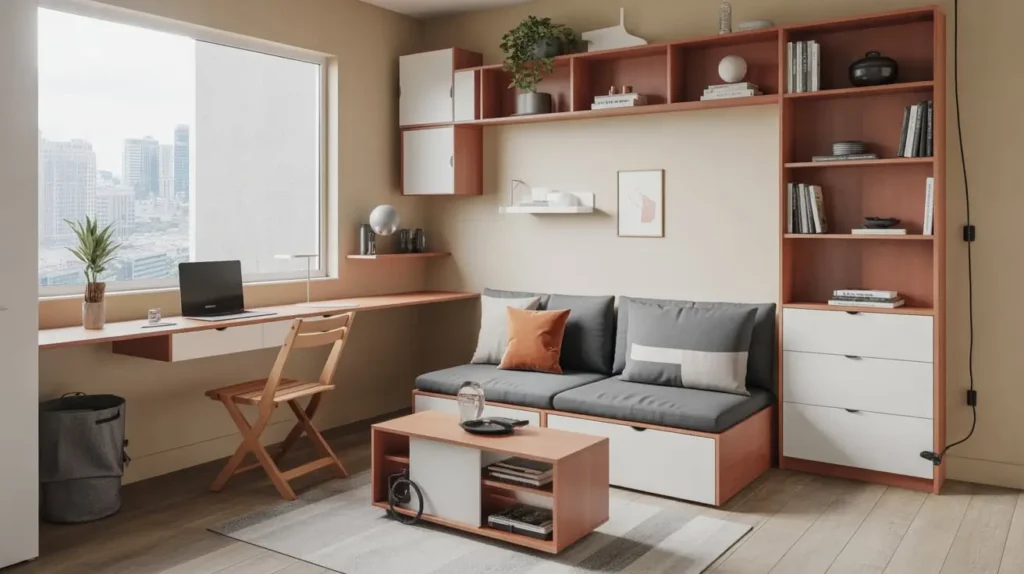
Let’s be real—your tiny living room probably pulls double (or triple) duty. Movie watching zone, home office, yoga studio, guest bedroom… am I getting warm?
Foldable furniture is the ultimate hack for spaces that need to transform throughout the day. I’m not talking about those flimsy card tables your grandma used for poker night. Modern foldable furniture is actually stylish and sturdy.
Check out these options:
- Nesting tables: Pull them out when you need surface space, tuck them away when you don’t
- Fold-down desks: Wall-mounted options that disappear when work is done
- Ottoman beds: Seating that converts to a sleeping surface for guests
- Stackable stools: Extra seating that stores in a closet
The key is choosing pieces that look good enough to keep out when they’re in use but store efficiently when you need the space back. FYI, I keep two gorgeous wooden folding chairs in my coat closet for when I have dinner guests. They’re out for maybe three hours a month, so why would I let them eat up my living room 24/7?
Also Read: 15 Trendy Small Living Room Ideas with Minimalist Vibes
Hidden Storage Coffee Table
You know what every small living room desperately needs? More storage. You know what it definitely doesn’t need? More visible clutter.
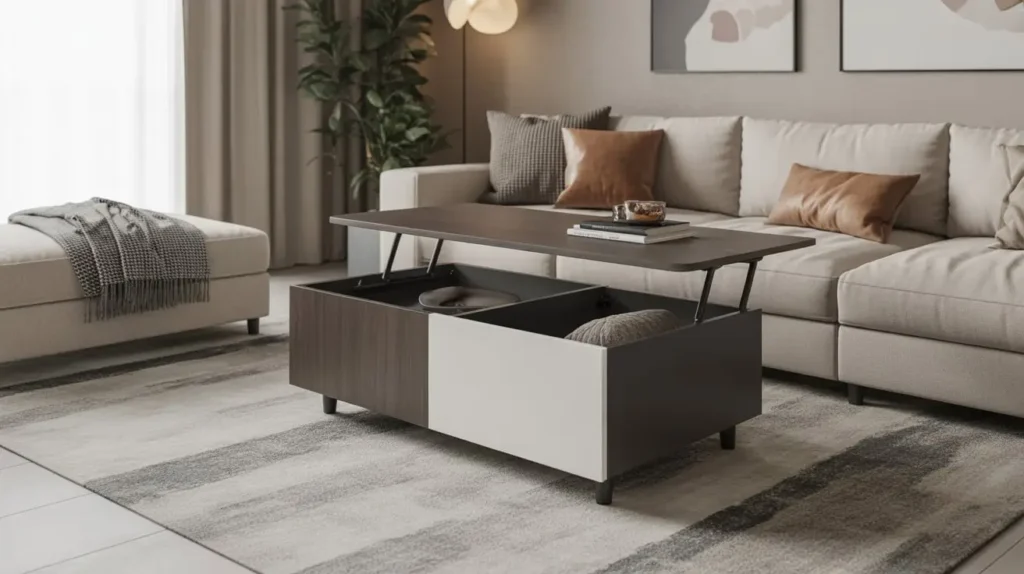
Enter the hidden storage coffee table—probably the smartest furniture investment you’ll make. These tables look totally normal on the outside but hide all your junk (sorry, “essentials”) on the inside.
I picked up a lift-top coffee table two years ago, and it’s been a complete game-changer. The top lifts up and toward you, creating a perfect laptop or dining surface, while the storage underneath swallows remotes, magazines, coasters, and all the random stuff that usually ends up scattered everywhere.
Your options include:
- Lift-top styles: Top raises for working or eating
- Drawer configurations: Pull-out drawers on one or both sides
- Shelf designs: Open storage underneath with baskets
- Ottoman coffee tables: Padded top with storage inside
Choose based on what you actually need to store. Lots of remotes and small items? Go for drawers. Blankets and pillows? Ottoman style wins. The best part? Guests never know your stylish coffee table is secretly doing the heavy lifting in the organization department.
Mirror Wall Illusion Design
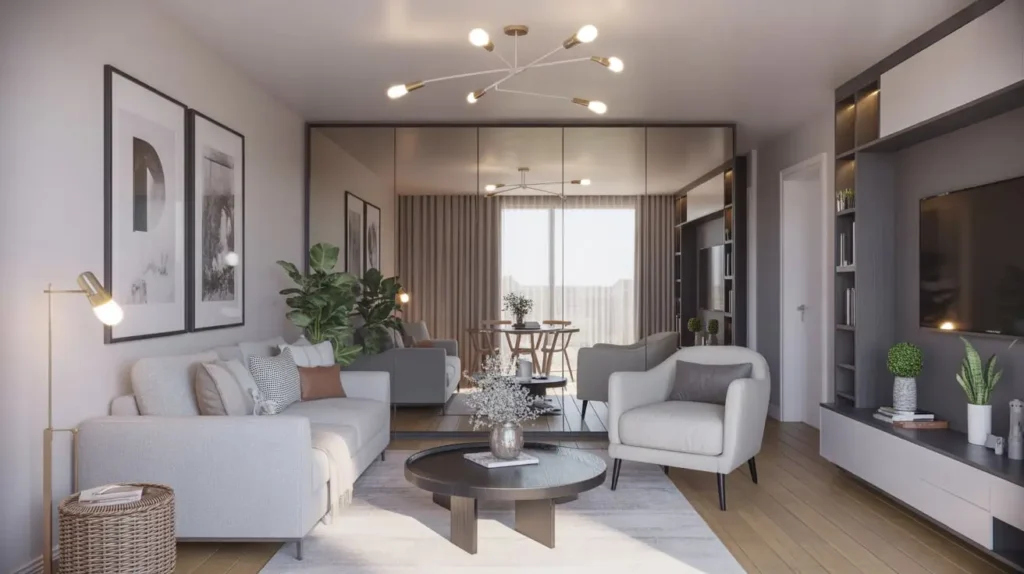
Want to make your small living room look twice as big without knocking down any walls? Mirrors are about to become your obsession.
A mirror wall (or even just a large strategically placed mirror) reflects light and views, creating the illusion of depth and space. I mounted a massive floor-to-ceiling mirror on one wall of my 10×12 living room, and people legitimately thought the room was way bigger than it actually was.
Here’s how to use mirrors effectively:
- Go big: One large mirror creates more impact than several small ones
- Opposite windows: Position mirrors across from windows to bounce natural light
- Behind furniture: A mirror behind a console table or sofa adds instant depth
- Decorative frames: Choose mirrors that work as art pieces too
Word of warning? Don’t go full-on funhouse with mirrors everywhere. One statement mirror or a carefully planned gallery wall of smaller mirrors works way better than randomly sticking mirrors on every surface. You want to expand the space, not make people dizzy trying to figure out what’s real. :/
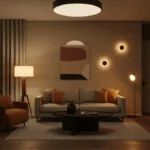
Layered Lighting for Depth
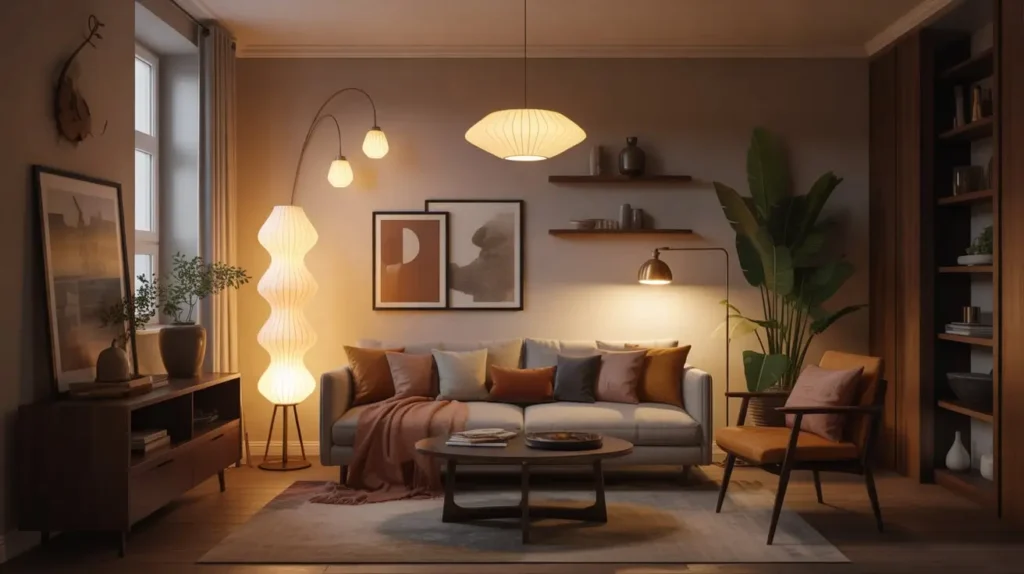
Overhead lighting only? In 2025? Absolutely not. That’s the fastest way to make your small living room feel flat and uninviting.
Layered lighting creates depth, ambiance, and the flexibility to adjust the mood for different activities. I’m talking about combining three types of lighting: ambient (overhead), task (reading lamps), and accent (decorative).
Here’s your small space lighting blueprint:
- Ambient: Flush-mount ceiling fixture or recessed lights (keeps the ceiling clear)
- Task: Floor lamp next to your reading chair, table lamp on a side table
- Accent: LED strip lights behind shelving, picture lights on artwork, candles
The magic happens when you can turn on different combinations. Movie night? Just the accent lighting. Reading? Task lamp plus soft ambient. Hosting? Everything on to make the space feel larger and more energetic.
Skip the bulky floor lamps with huge shades. Instead, look for arc lamps that reach over your sofa from behind or slim profile designs that don’t eat up visual space. And please, for the love of good design, put everything on dimmers. Your eyes (and your ambiance) will thank you.
Scandinavian Small Space Aesthetic
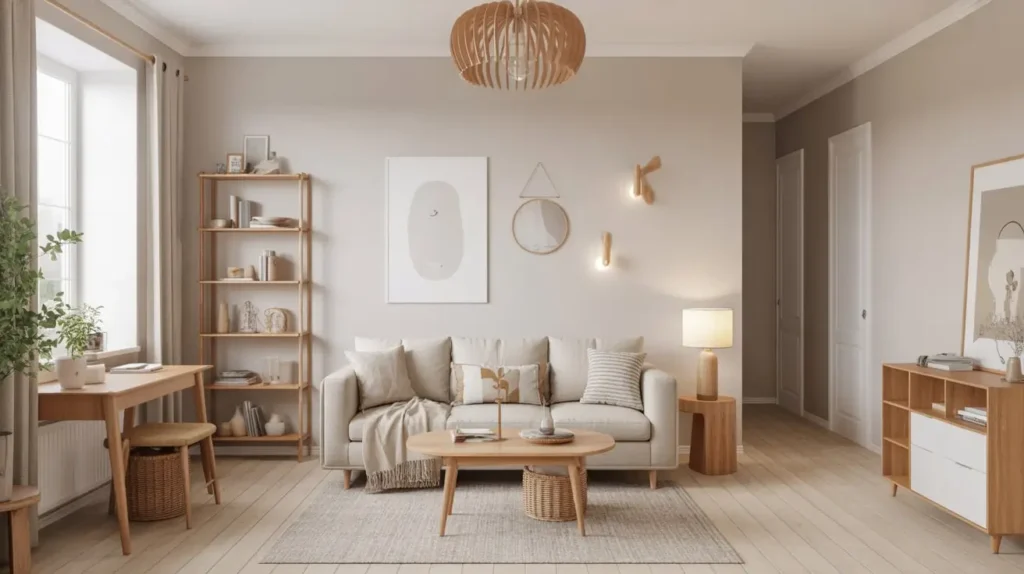
If you’ve spent any time on design Instagram, you’ve seen Scandinavian interiors. There’s a reason this aesthetic dominates small space design—it was literally created for compact Nordic apartments.
The Scandinavian approach emphasizes function, simplicity, and coziness (hygge, anyone?). It’s perfect for small living rooms because it avoids clutter while still feeling warm and inviting.
Key elements include:
- Light wood tones: Birch, ash, and pale oak furniture
- White walls: Maximum light reflection
- Minimal decoration: Each piece serves a purpose
- Natural textures: Wool, linen, leather, and cotton
- Greenery: Plants as the primary decoration
I basically Scandinavian-ified my living room last year by stripping out all the random decorative stuff I’d accumulated and focusing on quality over quantity. Three beautiful pieces of furniture, a killer sheepskin rug, and some potted plants created way more impact than my previous mishmash of stuff.
The beauty of this aesthetic? It’s inherently clutter-free, which makes your small space feel organized and intentional instead of cramped and chaotic. Plus, you spend less money on decorative junk and more on a few pieces you actually love.
Multi-Functional Accent Chairs
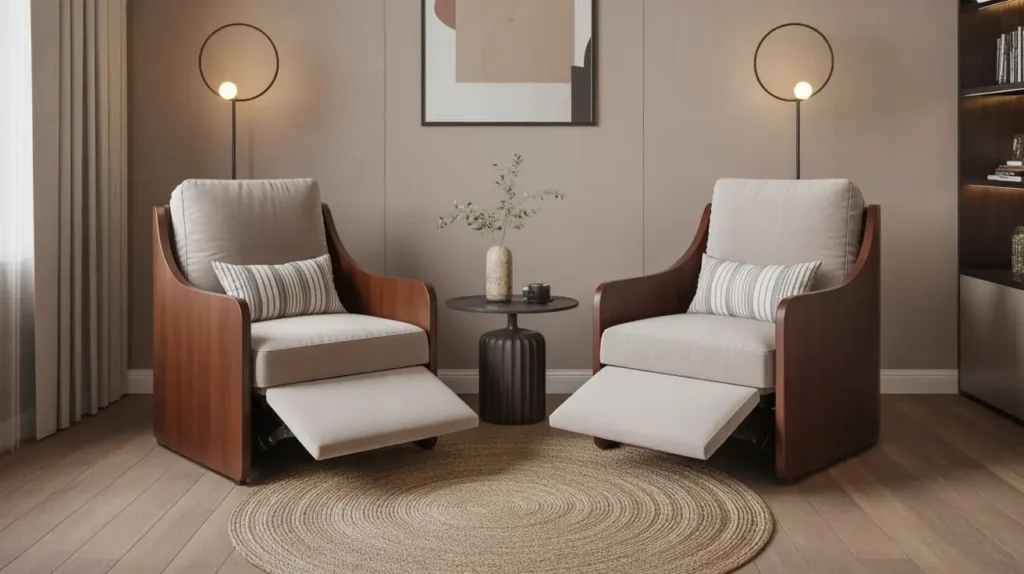
Accent chairs often get treated as pure decoration, which is such a waste in a small living room. Your furniture needs to work harder than that.
Multi-functional accent chairs pull double or triple duty without looking utilitarian. I’m talking about gorgeous chairs that also swivel, or have hidden storage, or can be easily moved around your space as needed.
Look for these features:
- Swivel bases: Let you turn toward different conversation areas or the TV
- Storage ottomans that serve as both seating and a footrest
- Lightweight designs: Easy to reposition when you need to open up the floor
- Nesting capabilities: Chairs that tuck under tables or side-by-side when not in use
I scored a velvet swivel chair last year that’s become the MVP of my living room. Reading nook? Swivel toward the window. Movie night? Swivel toward the TV. Conversation with someone on the sofa? You guessed it—swivel that way. It’s ridiculously versatile, and the compact rounded shape means it fits basically anywhere.
Don’t default to matching armchairs flanking your sofa unless they genuinely make sense for your space and lifestyle. One really functional accent chair often works better than two that just sit there looking pretty.
Also Read: 15 Dreamy Living Room Decor Ideas for Modern Homes
Boho Cozy Textured Corners
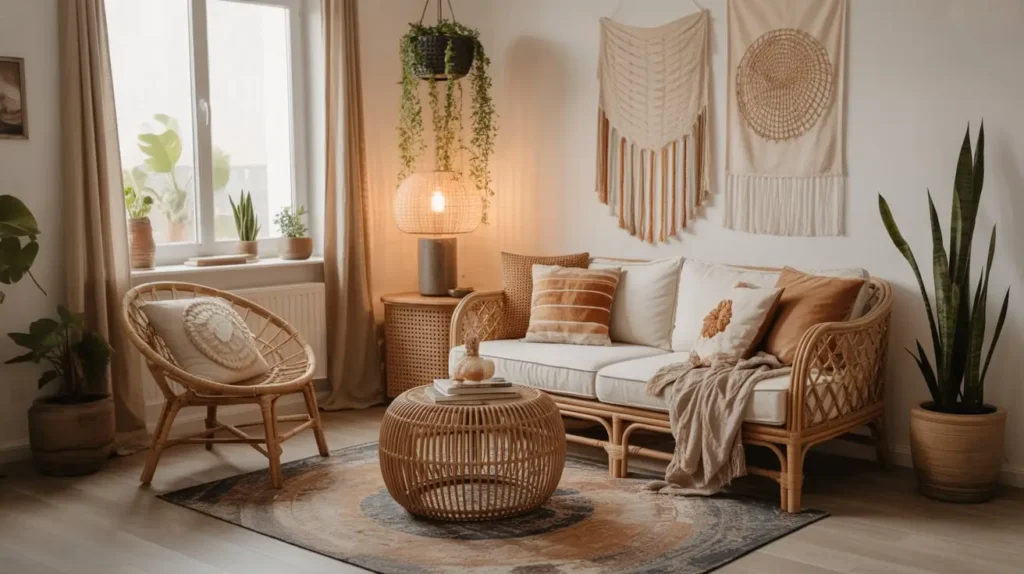
Who says small spaces can’t be warm and layered? The boho aesthetic proves you can create cozy, textured corners without making a room feel cluttered—if you do it right.
A boho textured corner uses fabrics, patterns, and natural materials to create an inviting nook that adds personality to your small living room. Think floor cushions, macramé wall hangings, and tons of plants.
Here’s how to create this vibe:
- Start with a corner: Utilize that awkward corner nobody knows what to do with
- Layer textiles: Throw rug, floor cushions, textured throw blanket
- Add vertical interest: Macramé wall hanging or woven wall basket
- Bring in plants: Potted floor plant and hanging planter
- Warm lighting: String lights or a small table lamp
The trick to making boho work in a small space? Stick to a cohesive color story. All those textures and patterns need a unifying element, whether it’s warm earth tones, black and white, or jewel tones. Otherwise, you’ve just created visual chaos.
I created a reading nook using this approach, and it’s hands-down my favorite spot in my apartment. It’s cozy without feeling cluttered because I kept the colors consistent and made sure each element had a purpose beyond just looking cute.
Modern Glass Furniture Illusion
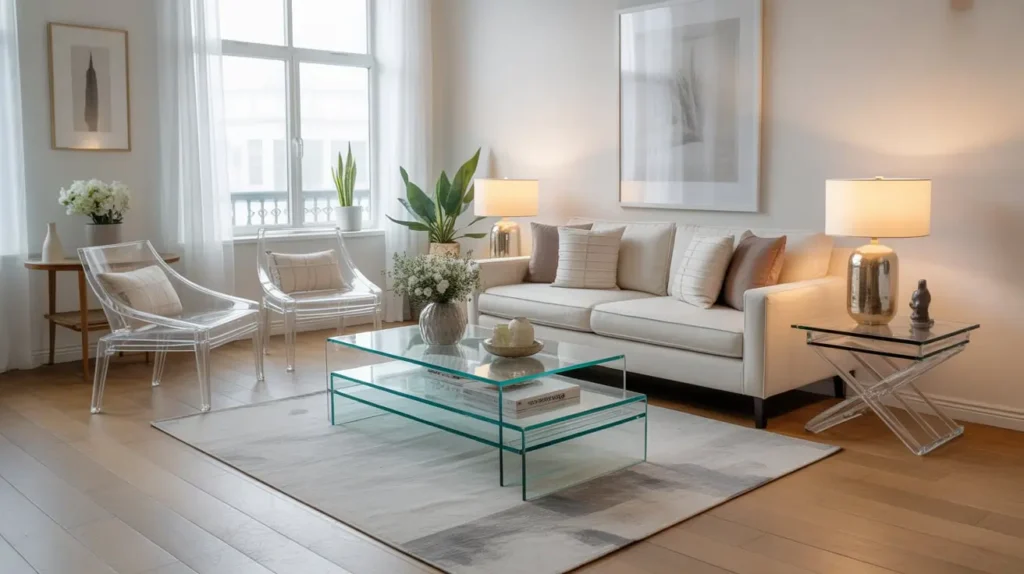
Glass furniture has a somewhat dated reputation (hello, 1980s glass dining tables), but modern glass pieces are actually brilliant for small living rooms.
Glass furniture creates visual space because you can literally see through it. Your eye doesn’t register it as a solid obstacle, which makes the room feel more open even though you’re not actually saving any physical space.
Smart glass furniture choices:
- Glass coffee tables: Especially those with slim metal frames
- Acrylic/lucite accent chairs: Ghost chairs that disappear visually
- Glass side tables: Provide surface space without visual weight
- Glass console tables: Perfect for behind a sofa
I was skeptical about glass furniture until I swapped my chunky wooden coffee table for a simple glass one with brass legs. The difference was wild—same floor space occupied, but the room felt exponentially more open. Plus, I could see my gorgeous rug underneath instead of hiding it.
One heads up? If you have kids or pets (or if you’re just clumsy like me), you’ll be cleaning fingerprints and smudges constantly. It’s the tradeoff for that airy look. Keep some glass cleaner handy, and maybe reconsider if you’ve got toddlers who put their grimy hands on everything.
Monochrome Small Living Design
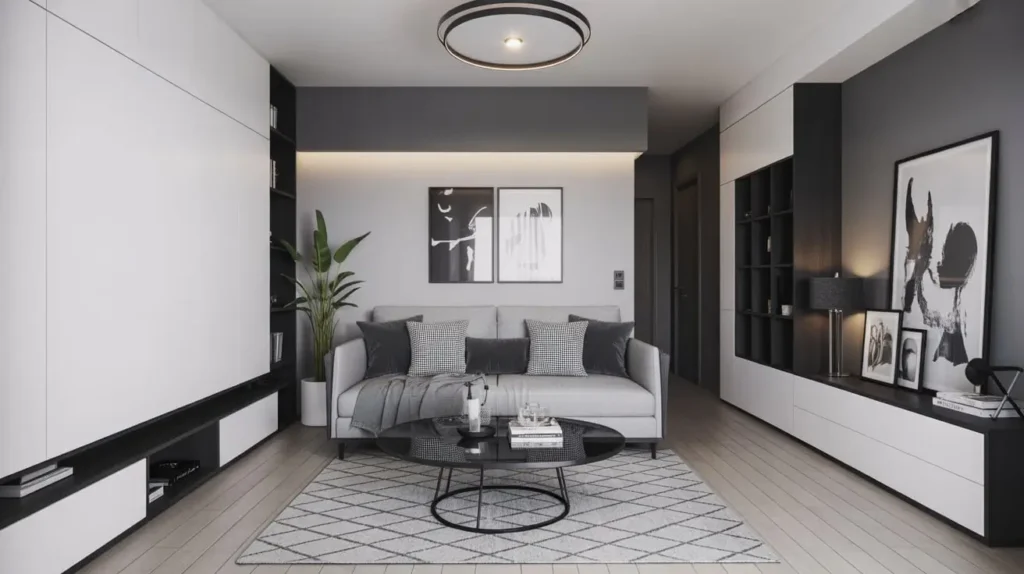
Controversial opinion incoming: monochrome doesn’t mean boring. A well-executed monochrome color scheme can make your small living room feel cohesive, sophisticated, and actually larger than it is.
I’m talking about working within one color family—grays, blues, greens, whatever speaks to you—but using different shades, tones, and tints to create depth. It’s way more interesting than slapping fifty different colors together and hoping they cooperate.
Your monochrome game plan:
- Choose your color family: Warm or cool tones depending on your preference
- Work in shades: Light, medium, and dark versions of your chosen color
- Add texture: This is non-negotiable for preventing flatness
- Include neutrals: White, black, or wood tones to ground the space
- One accent color: Optional, but a tiny pop of contrast can be nice
I did a full blue monochrome scheme once—pale blue walls, navy sofa, medium blue rug, denim pillows. Added wood furniture and white trim for contrast. It felt calm and pulled-together in a way my previous “every color of the rainbow” approach never achieved.
The bonus? Shopping becomes easier when you know exactly what color family you’re working with. No more debating whether that pillow clashes with your existing stuff—if it’s in your color family, it works.
Wall-Mounted Entertainment Unit
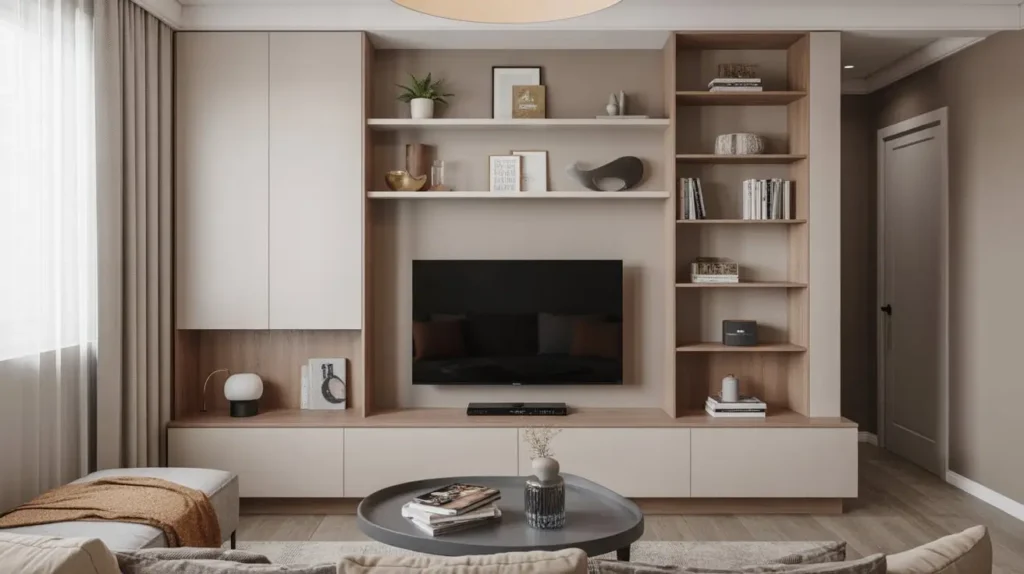
Floor-standing entertainment centers are space-wasting dinosaurs. There, I said it.
Wall-mounted entertainment units free up your floor space, make cleaning easier, and create a sleek, modern look that’s perfect for small living rooms. I mounted my TV and media components three years ago and immediately gained back like three square feet of usable floor space.
Here’s what to consider:
- Floating media consoles: Cabinets that mount to the wall beneath your TV
- Wall-mounted TV: Obviously, but also consider hiding cables inside the wall
- Open shelving: Wall-mounted shelves for components, books, and decor
- Closed storage: Wall cabinets for hiding media stuff you don’t want visible
The installation requires a bit more effort than just plopping a TV stand in place, but the payoff is huge. Your room looks intentional and modern, and you can actually vacuum under where your entertainment center used to sit (revolutionary, I know).
Make sure you hit studs when mounting anything heavy, or use appropriate anchors rated for the weight. Nothing ruins a small living room faster than a TV crashing to the floor because you got lazy with installation.
Open Concept with Rugs as Zone Dividers
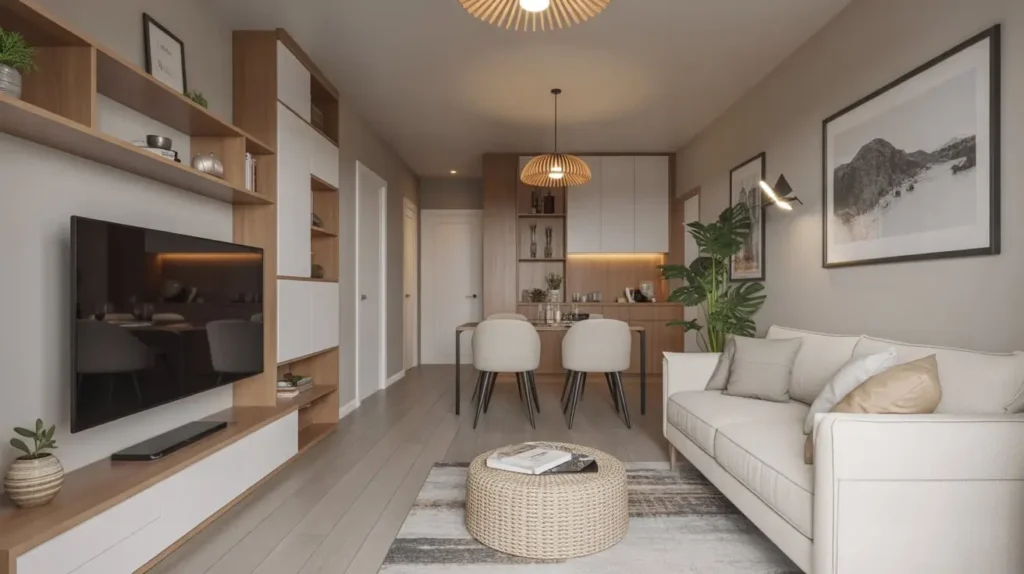
If your small living room is part of an open-concept space that flows into your dining area or kitchen, you’ve got a unique challenge. How do you define zones without building walls or using bulky furniture as dividers?
Area rugs become your zone dividers. They visually separate spaces while maintaining that open, airy flow that makes open concepts feel larger.
Here’s the strategy:
- Define your living area: Place a rug that fits under at least the front legs of your sofa and chairs
- Create a separate dining zone: Different rug under the dining table
- Leave walking paths rug-free: Maintains flow between zones
- Use complementary styles: Rugs should coordinate but don’t need to match exactly
I struggled with my open-concept layout until I finally invested in two distinct rugs—a plush neutral one for my seating area and a flat-weave patterned one for my dining space. Suddenly the whole apartment made sense. People naturally understood where one zone ended and another began.
Size matters here. Don’t cheap out with tiny rugs that look like bath mats floating in the middle of your space. Bigger is almost always better when it comes to area rugs. You want furniture sitting ON the rug, not hovering around the edges like it’s afraid to commit.
Conclusion
Look, designing a very small living room doesn’t mean you have to sacrifice style or function. You just need to get smarter about your choices and make every single element earn its place.
The best small living rooms I’ve seen (and created) share a few things in common: they embrace their size instead of fighting it, they prioritize function alongside form, and they’re edited ruthlessly. No random decorative stuff that doesn’t serve a purpose. No oversized furniture that overwhelms the space. No clutter masquerading as personality.
Start with one or two of these ideas that resonate most with your space and lifestyle. Maybe that’s finally investing in a compact sofa that actually fits your room, or perhaps it’s the wall-mounted entertainment unit that’s been on your to-do list forever. Small changes add up to major impact.
Your tiny living room has massive potential—you just need to think vertically, edit constantly, and get creative with multi-functional solutions. Now grab that measuring tape, pick your favorite ideas from this list, and start making your small space work way harder for you. You’ve got this!