

15 Amazing Farmhouse Kitchen Ideas and Elegant Wood Details
You know that warm, fuzzy feeling you get when you walk into a kitchen that just feels like home? That’s the farmhouse kitchen magic I’m talking about. I’ve spent years obsessing over wood grains, vintage finds, and those perfect rustic touches that transform a cooking space into something special. Today, I’m sharing fifteen farmhouse kitchen ideas that’ll make you want to grab your toolbox (or at least your contractor’s number) and get started on your dream kitchen.
Cozy Rustic Farmhouse Kitchen Makeover
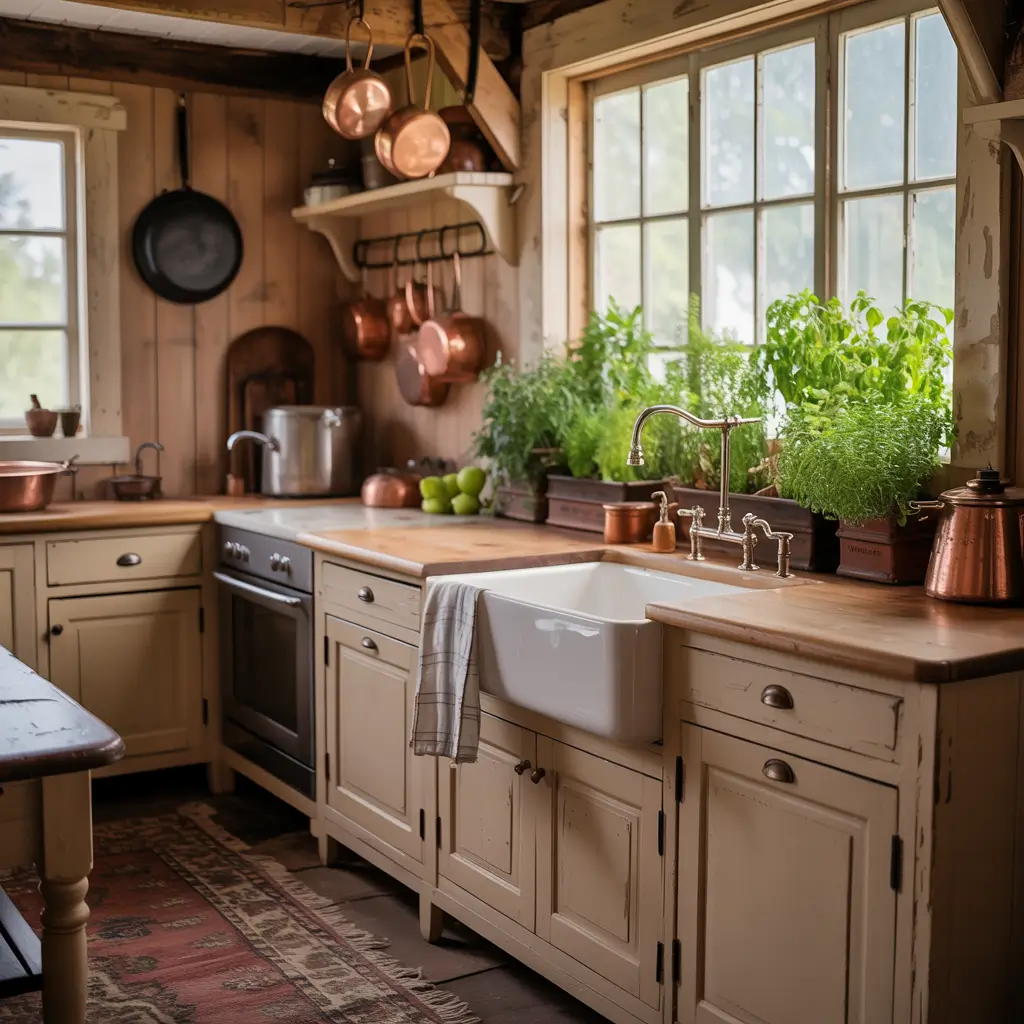
Let me tell you, nothing beats the authenticity of a truly rustic farmhouse kitchen. I transformed my own kitchen last year, and the reclaimed wood elements became the soul of the entire space.
The beauty of a rustic makeover lies in the imperfections. Those weathered wood planks with knots and grain variations? They tell stories. I sourced mine from an old barn that was being demolished—talk about character! The wood became my ceiling treatment, and honestly, people can’t stop staring at it when they visit.
Here’s what makes a rustic farmhouse kitchen work:
- Exposed wood elements throughout (ceiling beams, shelving, or accent walls)
- Distressed finishes that look naturally aged
- Warm, earthy color palettes that complement the wood tones
- Vintage hardware in oil-rubbed bronze or wrought iron
The trick is balancing rustic with functional. You want it to look like a charming countryside kitchen, not a place where you’ll get splinters every time you grab a coffee mug. I learned this the hard way when I initially went too rustic with my shelving—had to sand those babies down twice 🙂
Modern Farmhouse Kitchen with Open Shelves
Ever wondered why open shelving became such a massive trend? It’s because we finally realized that hiding everything behind closed doors makes kitchens feel like sterile labs.
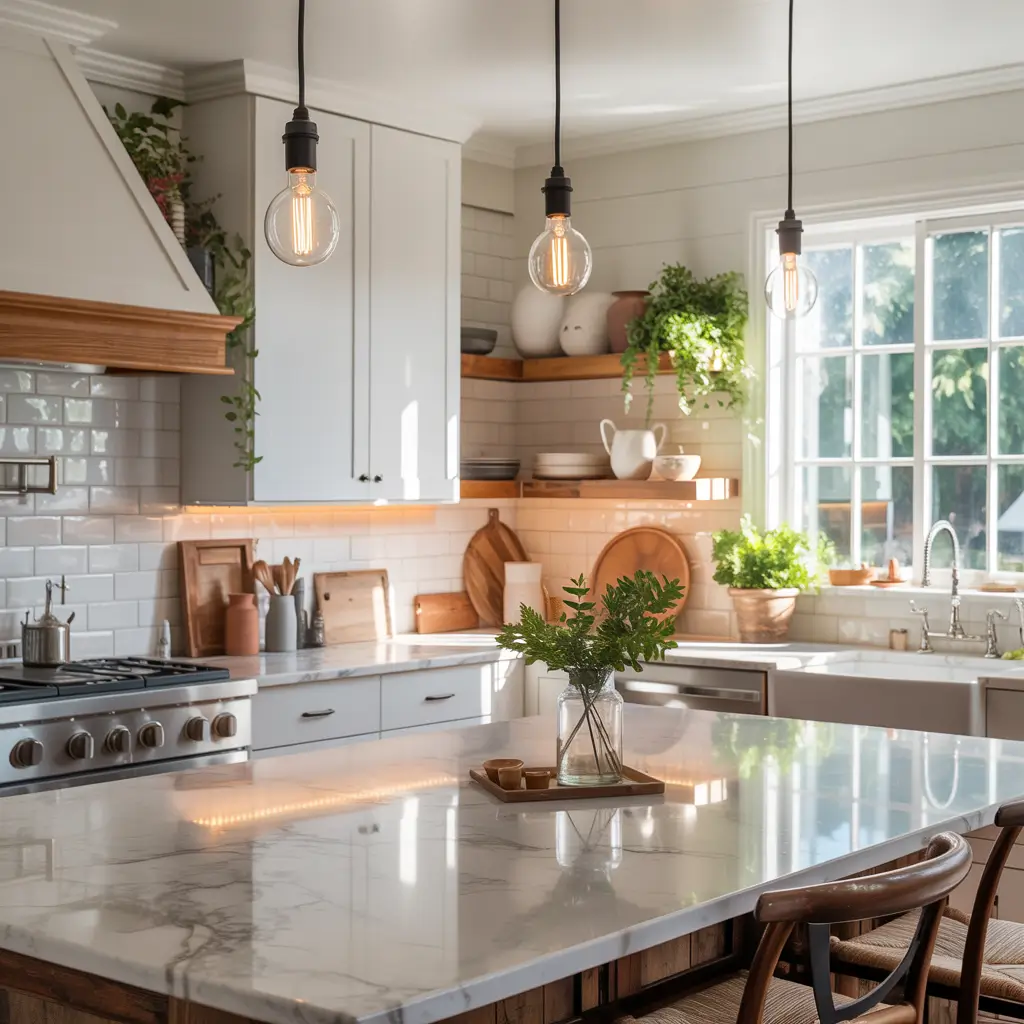
I installed open wood shelves in my kitchen about three years ago, and I’ll never go back to upper cabinets. The floating shelves I chose feature thick, solid oak planks with a natural finish that showcases the wood grain beautifully. FYI, this decision forces you to keep things organized (which some people hate, but I love the accountability).
Open shelving benefits include:
- Creates visual spaciousness in smaller kitchens
- Displays your beautiful dishware and glassware
- Easier access to everyday items
- Adds architectural interest with wood grain patterns
- Costs significantly less than custom cabinets
The modern farmhouse approach pairs these shelves with clean lines and minimal ornamentation. I mixed my rustic wood shelves with sleek white subway tiles and matte black fixtures. The contrast? Chef’s kiss. The wood brings warmth while the modern elements keep everything from feeling too country-cottage.
One heads-up though: dust happens. You’ll need to wipe those shelves down more frequently than closed cabinets. But honestly, seeing my grandmother’s vintage plates displayed daily makes the extra cleaning worth it.
Small Farmhouse Kitchen Space-Saving Hacks
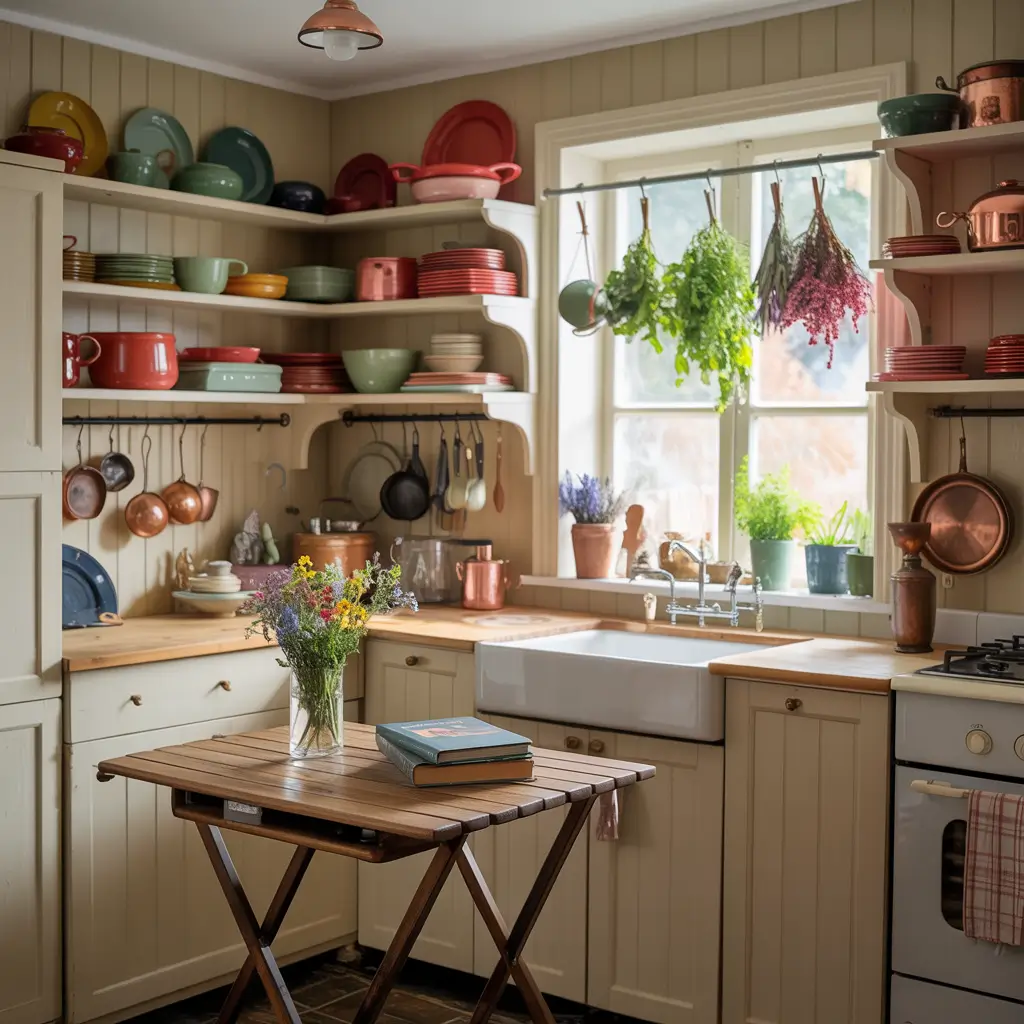
Small kitchen? Join the club. My first apartment kitchen was roughly the size of a walk-in closet, but I still managed to incorporate farmhouse charm without sacrificing functionality.
Wood details save space when you use them strategically. I installed a narrow wooden ledge shelf that ran the length of one wall—it was only four inches deep but held my spice jars, small plants, and daily coffee mugs. This freed up precious counter space while adding that essential wood element.
Here are my favorite space-saving farmhouse tricks:
- Magnetic knife strips mounted on wood backing boards
- Pegboard walls with wooden pegs for hanging pots and utensils
- Fold-down wooden tables that function as prep space
- Tiered wooden stands for corner counter organization
- Ceiling-mounted pot racks with wooden frames
The key is choosing lighter wood tones for smaller spaces. I went with natural maple and light oak instead of dark walnut. This keeps the room feeling airy while still delivering that farmhouse aesthetic. Dark woods can make tiny kitchens feel like caves (learned that mistake in my second apartment).
Whitewashed Farmhouse Kitchen Cabinets
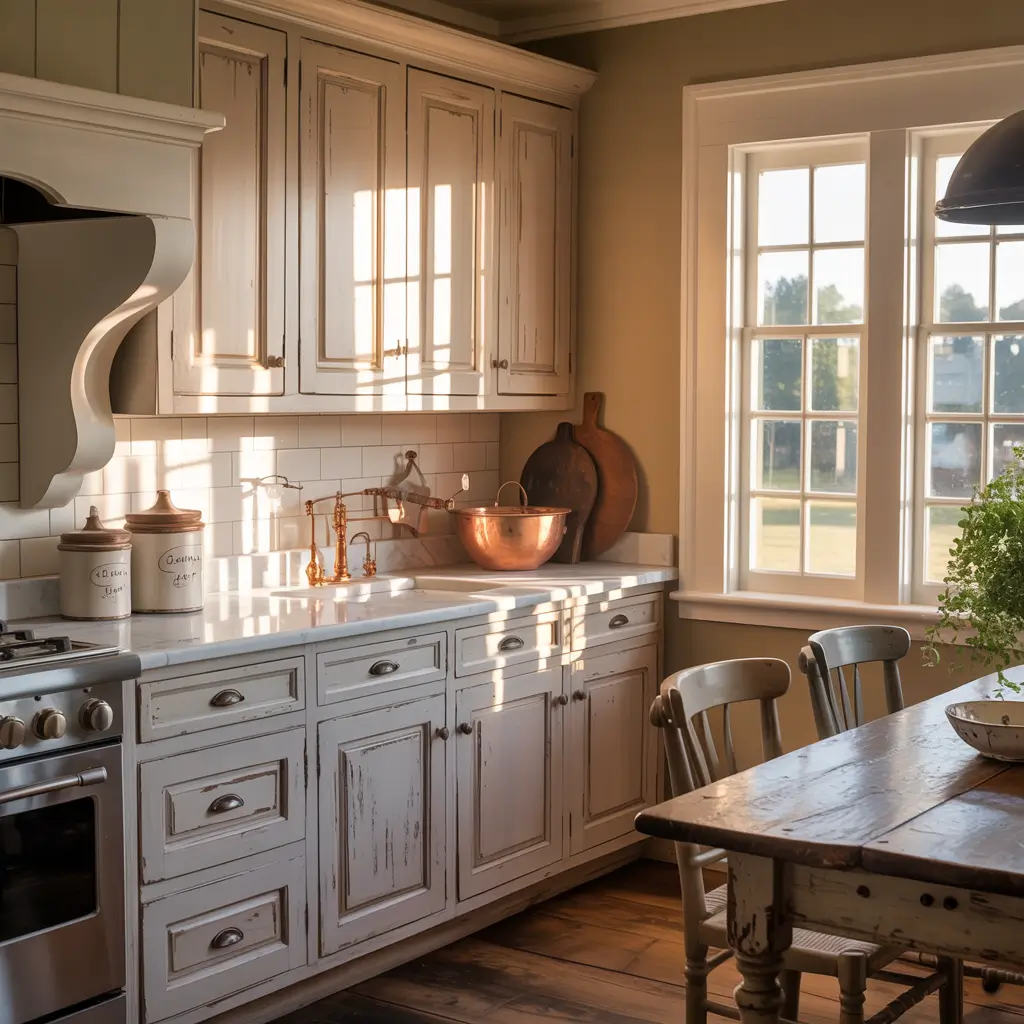
Whitewashing wood cabinets is like giving your kitchen a breath of fresh air while keeping the wood texture visible underneath. I whitewashed my lower cabinets last spring, and the technique is genuinely easier than you’d think.
The process involves applying diluted white paint or specialized whitewash to raw or lightly stained wood, then wiping it back to let the wood grain show through. The result? A soft, aged look that feels both classic and current.
Why Whitewashed Cabinets Work
Whitewashed cabinets offer the perfect compromise. You get the brightness of white kitchens (which never go out of style, let’s be honest) while maintaining the warmth and texture of natural wood. The grain pattern creates subtle visual interest that solid-painted cabinets can’t match.
I paired my whitewashed lowers with open shelving uppers in natural wood. The combination creates depth and prevents the all-white look from feeling too stark or clinical. Plus, whitewashed wood hides minor dings and scratches way better than solid white paint—trust me on this.
Application tips I learned the hard way:
- Test your whitewash mixture on scrap wood first
- Apply in the direction of the grain for best results
- Work in small sections to control the coverage
- Seal with a clear topcoat for durability in high-use areas
Farmhouse Kitchen with Wooden Beams

Wooden beams transform flat, boring ceilings into architectural statements. I added faux beams to my kitchen (real ones weren’t structurally feasible), and they became the focal point everyone mentions.
Exposed wooden beams draw the eye upward and create the illusion of more space. They also anchor the farmhouse aesthetic better than almost any other single element. Whether you go with dark, stained beams against white ceilings or natural wood beams in a wood-clad ceiling, the impact is undeniable.
Beam Style Options
You’ve got choices here, and each creates a different vibe:
- Rough-hewn beams for maximum rustic appeal
- Smooth, stained beams for a refined farmhouse look
- Reclaimed beams with authentic age marks and patina
- Whitewashed beams that complement lighter color schemes
I went with reclaimed Douglas fir beams that show saw marks and old nail holes. Every imperfection adds character. My contractor thought I was crazy for wanting “damaged” wood, but that’s exactly what makes them perfect.
Installing beams isn’t a weekend DIY project unless you’re pretty handy. The weight requires proper anchoring, and getting them level takes patience. I hired professionals and watched them work—worth every penny for the structural security and the time I saved.
Also Read: 15 Gorgeous Rustic Farmhouse Kitchen Ideas for Every Home
Vintage Farmhouse Kitchen Accessories
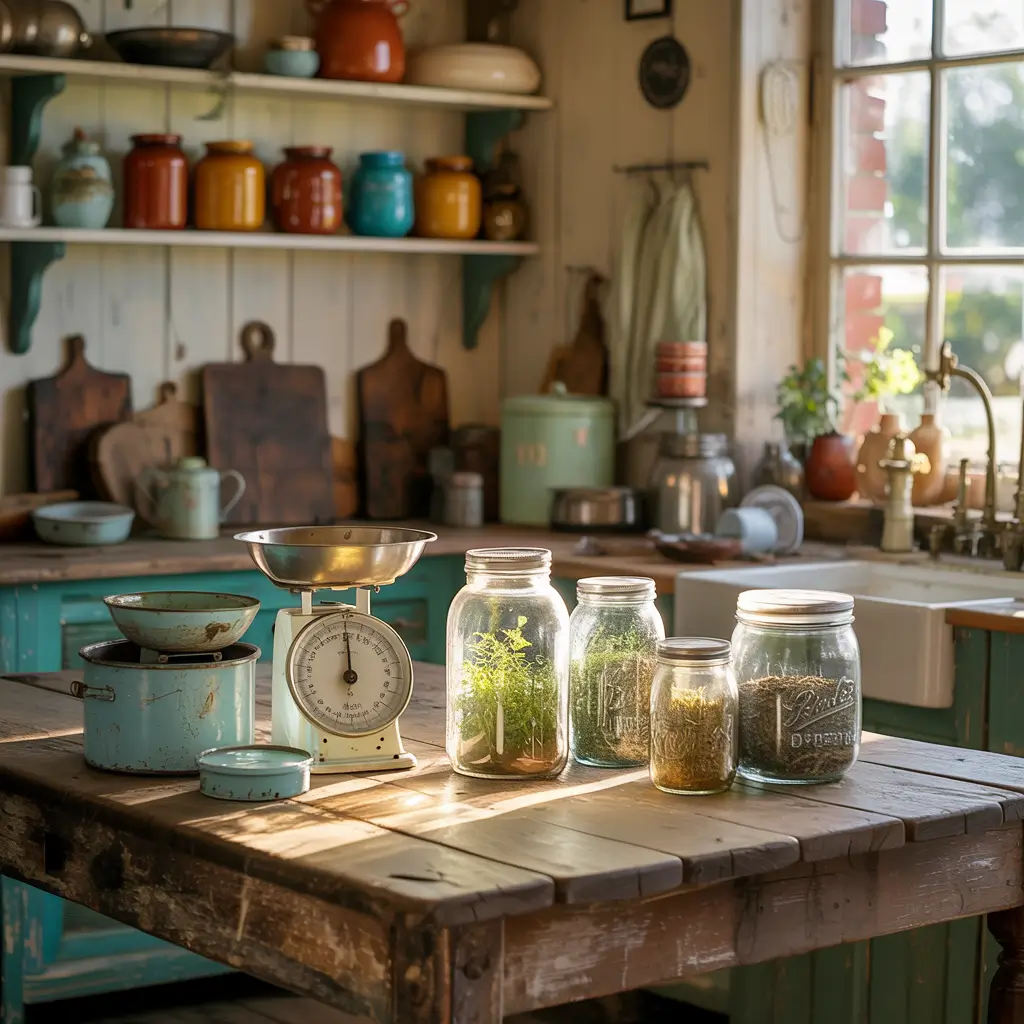
IMO, accessories make or break a farmhouse kitchen. You can have all the right structural elements, but without the finishing touches, something feels off.
I’ve become a vintage market regular, hunting for those perfect pieces that add authenticity. Wooden cutting boards, antique bread boxes, enamelware, and vintage scales bring farmhouse kitchens to life. These aren’t just decorations—they’re functional art that celebrates simpler times.
My favorite finds include:
- A 1940s wooden rolling pin that actually works better than modern ones
- Antique wooden crates repurposed as produce storage
- A vintage wooden dough bowl that’s now my fruit bowl
- Old wooden spoons and utensils displayed in stoneware crocks
- A reclaimed wood tray for corralling coffee station items
The beauty of vintage accessories is their one-of-a-kind nature. Nobody else has your exact collection, which makes your kitchen genuinely unique. Plus, hunting for these treasures becomes a fun hobby. I’ve met amazing people at estate sales and antique shops, all fellow farmhouse enthusiasts sharing tips and finds.
Farmhouse Kitchen Island Inspiration

Kitchen islands are the MVPs of farmhouse kitchens, and when you incorporate wood details, they become absolute showstoppers.
I built my island using reclaimed barnwood for the base and topped it with thick butcher block. The contrast between the weathered gray base and the warm honey-toned top creates visual interest while providing serious functionality. This island serves as prep space, dining area, and storage solution all in one.
Island Design Ideas
Wood-based islands offer endless customization options:
- Full wood construction with open shelving below
- Wood base with marble or quartz top for mixed materials
- Butcher block countertops that double as cutting surfaces
- Painted base with natural wood top for contrast
- Salvaged wood elements incorporated into modern designs
Size matters here. My island is five feet long and three feet wide—perfect for my kitchen’s footprint. I’ve seen people cram oversized islands into small kitchens, and it just creates traffic jams. Measure your space and leave at least 42 inches of clearance on all sides for comfortable movement.
I added three industrial-style stools with wood seats, creating a casual dining spot that my kids actually use for homework too. The multifunctional nature of a well-designed island justifies the investment every single day.
Neutral Farmhouse Kitchen Color Palettes
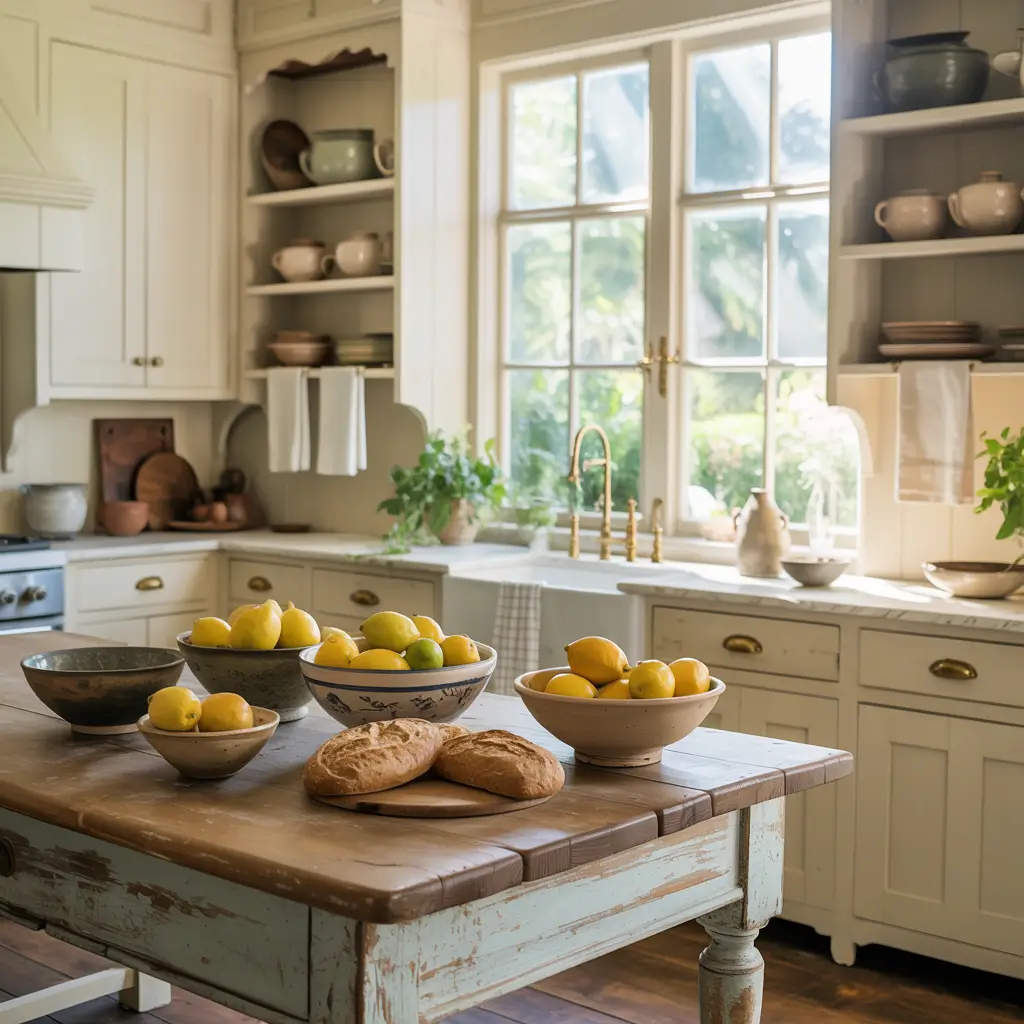
Farmhouse kitchens thrive on neutral color palettes that let the wood elements shine. I learned this after initially painting one wall a bold sage green—it competed with my wood tones instead of complementing them.
The best neutral palettes incorporate layers of similar tones rather than relying on a single color. My current scheme includes warm whites, soft grays, cream, and natural wood tones in varying shades from light maple to medium walnut.
Here’s my go-to palette breakdown:
- Walls: Warm white or light greige (gray-beige hybrid)
- Cabinets: Combination of white and natural wood
- Countertops: White marble, concrete, or butcher block
- Accents: Matte black hardware and fixtures
- Wood tones: Variety of natural finishes from light to medium
The neutral backdrop creates a calming atmosphere while providing flexibility for seasonal decor changes. I swap out textiles and accessories throughout the year, but the neutral base remains constant and cohesive.
Neutral doesn’t mean boring, though. The variety in wood grain patterns, textures, and finishes provides plenty of visual interest. My oak floors have different grain than my walnut island top, which differs from my maple shelves—all these subtle variations create depth within the neutral scheme.
Farmhouse Kitchen with Apron Front Sink
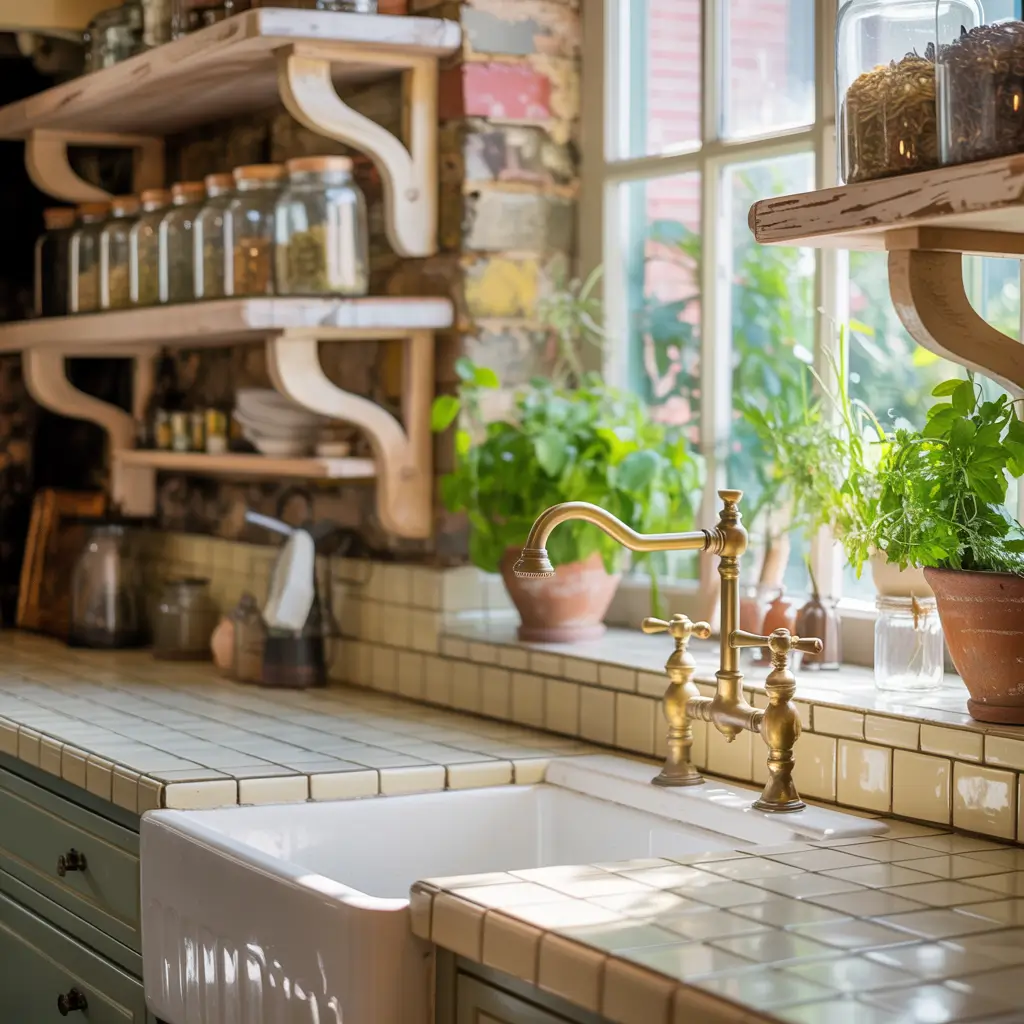
Can we talk about apron front sinks for a second? These beauties (also called farmhouse sinks) make such a statement that they’ve become synonymous with the style itself.
I installed a 33-inch white fireclay apron front sink during my renovation, and it instantly elevated the entire kitchen. The exposed front panel creates a focal point, and the deep basin handles everything from sheet pans to stockpots without splashing water everywhere.
Material Choices for Apron Sinks
You’ve got several options, each with pros and cons I’ve researched extensively:
- Fireclay: Durable, classic, resists scratches and stains (my choice)
- Cast iron: Affordable, enamel coating in various colors
- Stainless steel: Modern farmhouse vibe, commercial look
- Copper: Gorgeous patina, requires more maintenance
- Natural stone: Unique but pricey and needs sealing
The installation requires modifying your cabinet base, so factor that into your budget. My carpenter needed to build custom support for the sink’s weight—fireclay isn’t lightweight. But once installed, the sink becomes the kitchen’s anchor point.
I paired mine with a gooseneck faucet in oil-rubbed bronze, which complements the farmhouse aesthetic while providing excellent functionality. The high arc makes filling large pots effortless, and the finish hides water spots better than chrome or stainless.
Also Read: 15 Creative Rustic Farmhouse Kitchen Island Ideas for Perfect Layouts
Chic Farmhouse Kitchen Lighting Ideas
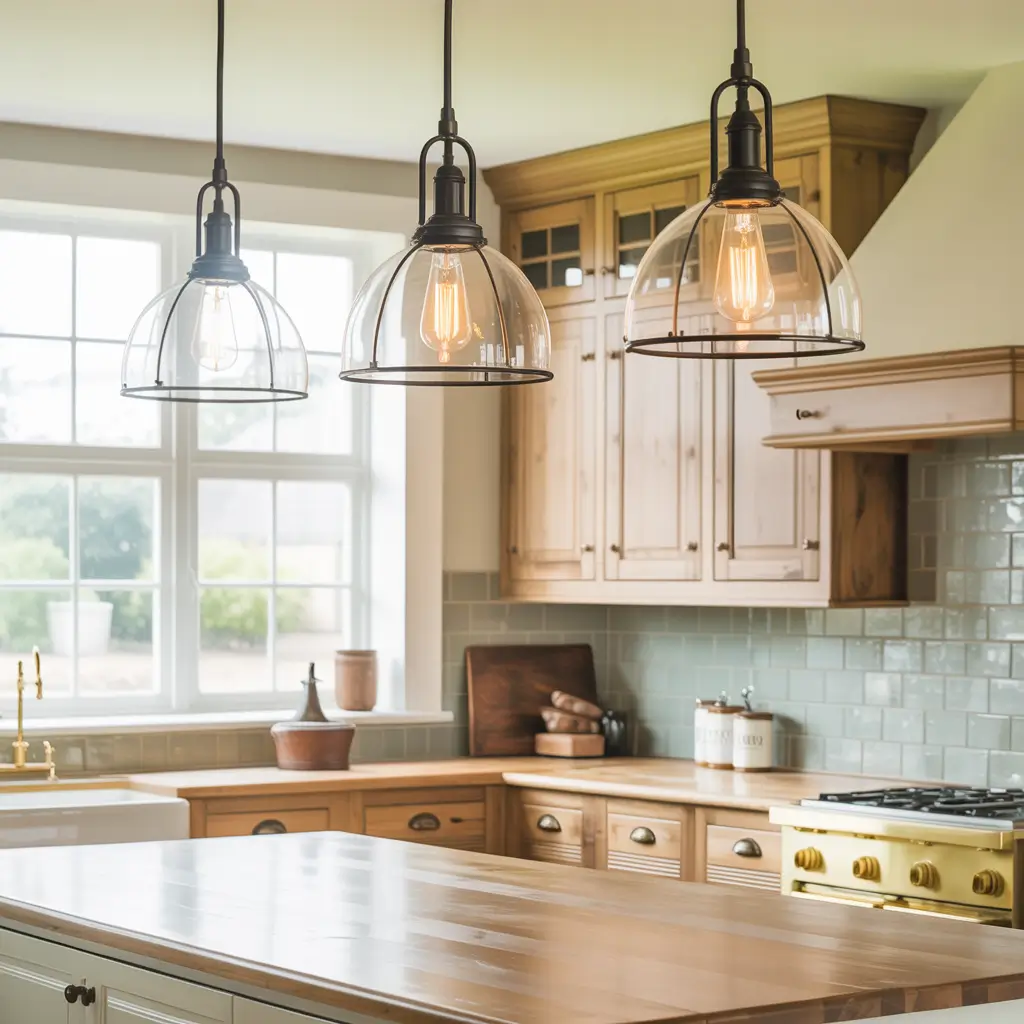
Lighting can make or break your farmhouse kitchen ambiance. I’ve switched out light fixtures three times (yes, three) before finding the perfect combination that balances function and style.
Wood and metal lighting fixtures work beautifully in farmhouse kitchens. I installed a large wood beam pendant light over my island—it’s basically a reclaimed beam with three Edison bulb fixtures mounted to it. The rustic wood paired with industrial metal elements creates that perfect farmhouse-meets-modern vibe.
Layered Lighting Approach
You need multiple light sources for proper kitchen functionality:
- Ambient lighting: Overall illumination from ceiling fixtures
- Task lighting: Focused light for prep areas and cooking
- Accent lighting: Decorative elements that add warmth
My lighting setup includes:
- Wood beam pendant over the island (ambient + decorative)
- Under-cabinet LED strips for task lighting
- Two smaller pendants over the sink area
- Recessed cans for general ambient light
- Small wood and metal sconces flanking open shelving
The warmth of wood chandelier elements or wood-accented pendants softens the harshness of purely metal industrial fixtures. I chose fixtures with warm-toned Edison or vintage-style bulbs that emit a cozy glow rather than stark white light.
Farmhouse Kitchen Backsplash Designs
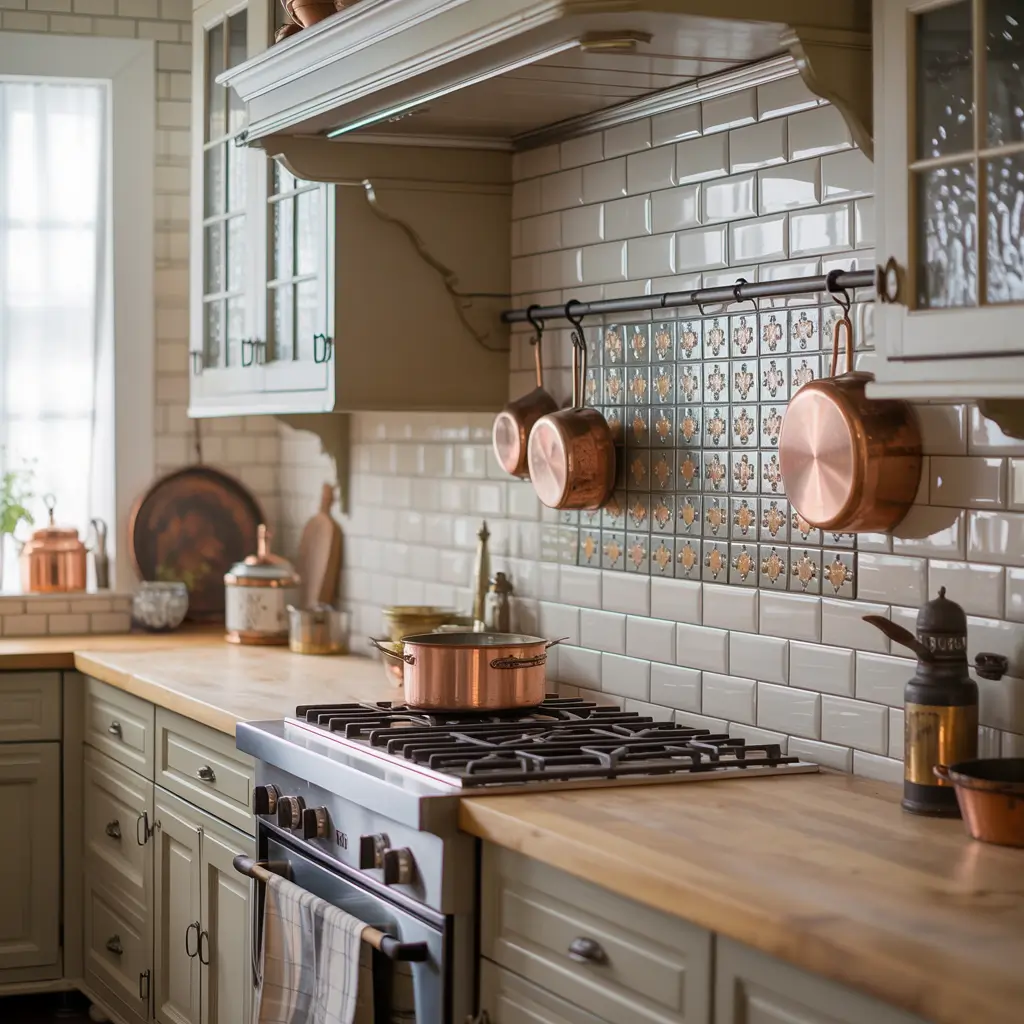
Your backsplash offers prime real estate for incorporating wood details, though you need to be strategic since kitchens involve moisture and heat.
I went with classic white subway tile for most of my backsplash (practical and timeless), but I created a wood accent behind my range. I used heat-treated wood planks sealed with multiple coats of polyurethane to protect against grease and moisture. This focal point draws the eye and adds warmth to an otherwise all-white tile installation.
Backsplash Options That Work
Wood-friendly backsplash choices include:
- Wood accent sections in low-splash zones
- Reclaimed wood behind open shelving (not near sink or stove)
- Wood-look tile that mimics barn wood
- Wood trim or molding framing tile sections
- Floating wood shelves interrupting tile patterns
Some people skip wood in backsplash areas entirely, and I get it—maintenance concerns are valid. If you’re worried about upkeep, consider wood-look porcelain tiles instead. The technology has improved dramatically; some tiles are nearly indistinguishable from real wood but offer superior moisture resistance.
I also love the combination of ship lap and tile. Install ship lap on the upper portion of the wall above your tile backsplash, or use it on adjacent walls to bring in wood texture without placing it in high-splash zones.
Rustic Farmhouse Kitchen Table Styling
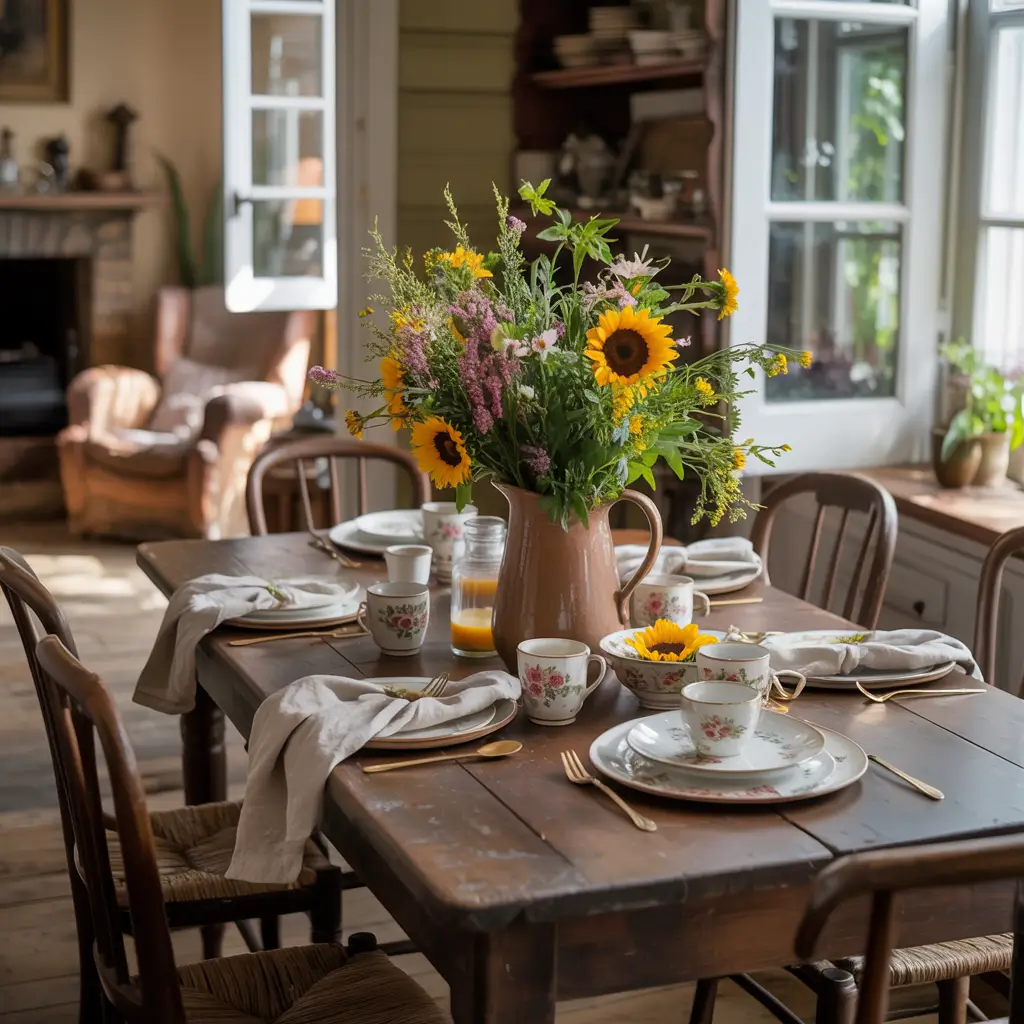
Your kitchen table deserves attention because it’s where life actually happens—meals, conversations, homework, game nights, all of it.
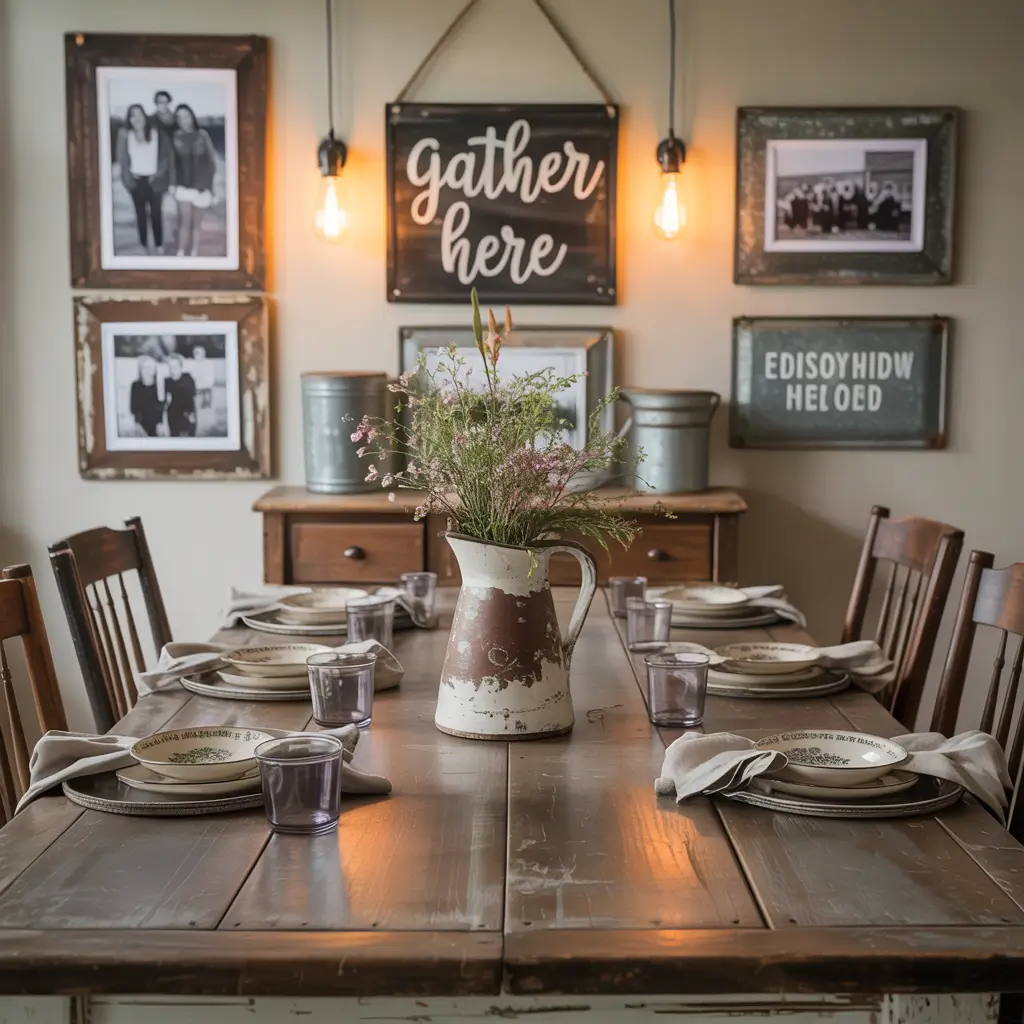
I scored a massive reclaimed wood farm table at an estate sale for a fraction of what new ones cost. The wood top shows decades of wear: water rings, knife marks, even some old burn marks. These “flaws” are exactly what make it perfect. The table measures eight feet long and seats eight comfortably, becoming the heart of our kitchen.
Table Styling Elements
Creating an inviting table setting involves:
- A natural wood base that anchors the space
- Simple linen table runners in neutral tones
- Fresh flowers or greenery in vintage containers
- Wooden serving pieces and cutting boards as decor
- Mixed seating with wood chairs and an upholstered bench
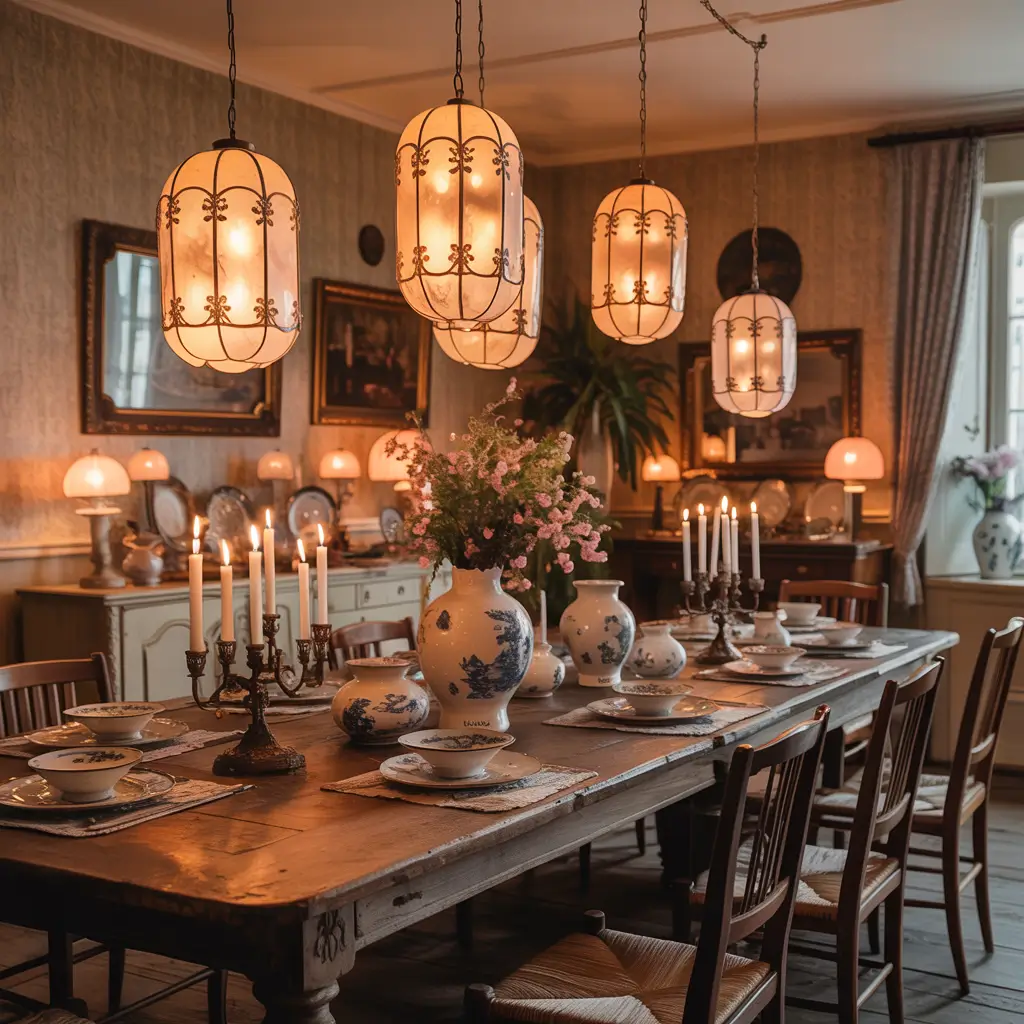
I keep my table styling minimal during everyday life—a simple runner and a wooden bowl with seasonal fruit. For gatherings, I layer in vintage dishes, cloth napkins, and candlesticks. The wood table provides such a strong foundation that you don’t need to overdo the styling.
The wood tone of your table should coordinate (but not necessarily match) other wood elements in your kitchen. My dark walnut table contrasts nicely with my lighter oak floors and maple shelving, creating depth through varied wood tones.
Minimalist Farmhouse Kitchen Decor
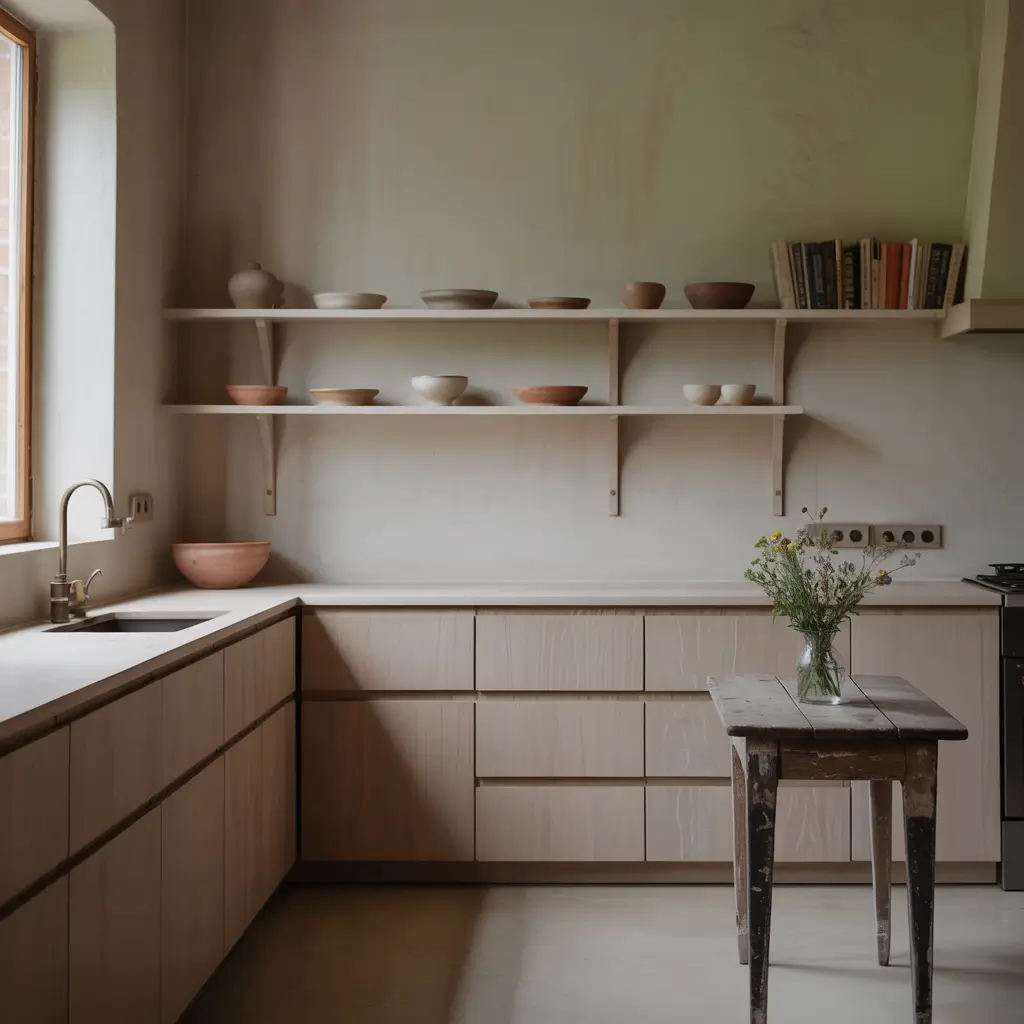
Who says farmhouse style requires clutter? The minimalist farmhouse approach combines the warmth of traditional farmhouse elements with the clean simplicity of minimalism.
I embraced this style after my initial farmhouse attempts resulted in too much stuff competing for attention. Now, I follow a “less is more” philosophy while maintaining the essential wood details and cozy atmosphere.
Minimalist farmhouse principles:
- Quality over quantity in every element
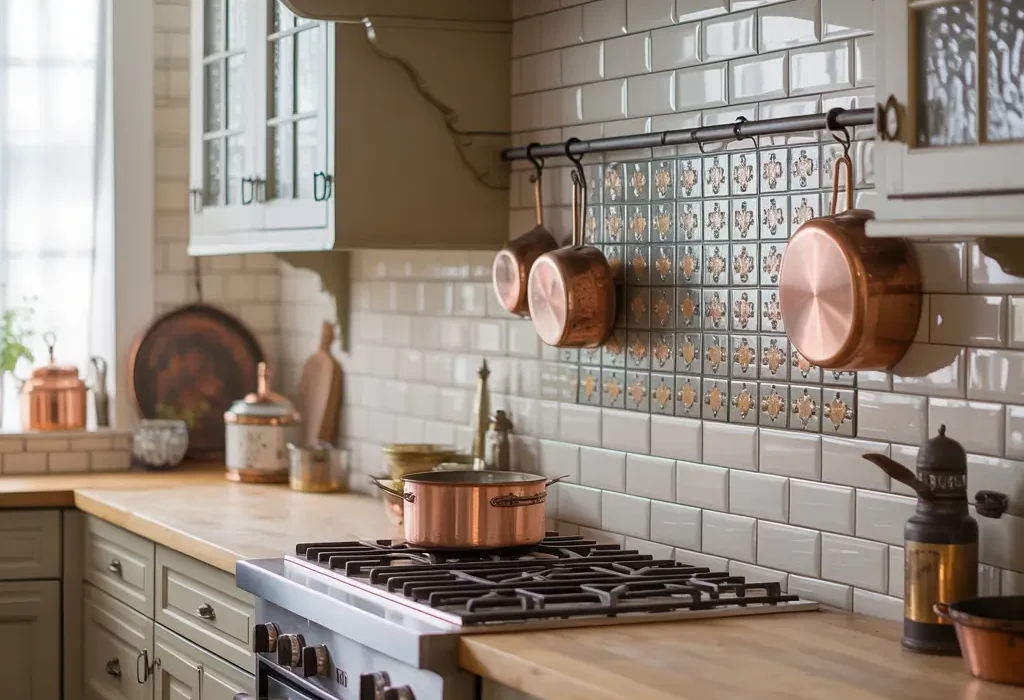
- Functional items double as decor (wooden cutting boards, copper pots)
- Clean surfaces with limited clutter
- Carefully curated accessories rather than collections
- Neutral color palette with wood as the primary texture
My minimalist approach means I display only my most beautiful wooden pieces—a stunning cutting board, one vintage breadbox, a single wooden bowl with lemons. Each item earns its place through beauty or function (ideally both).
The wood elements become more impactful when you’re not competing with visual noise. My wooden shelves, beams, and island stand out beautifully against clean white walls and uncluttered surfaces. This approach also makes cleaning ridiculously easier, which I appreciate more as I get older.
Farmhouse Kitchen Storage Solutions
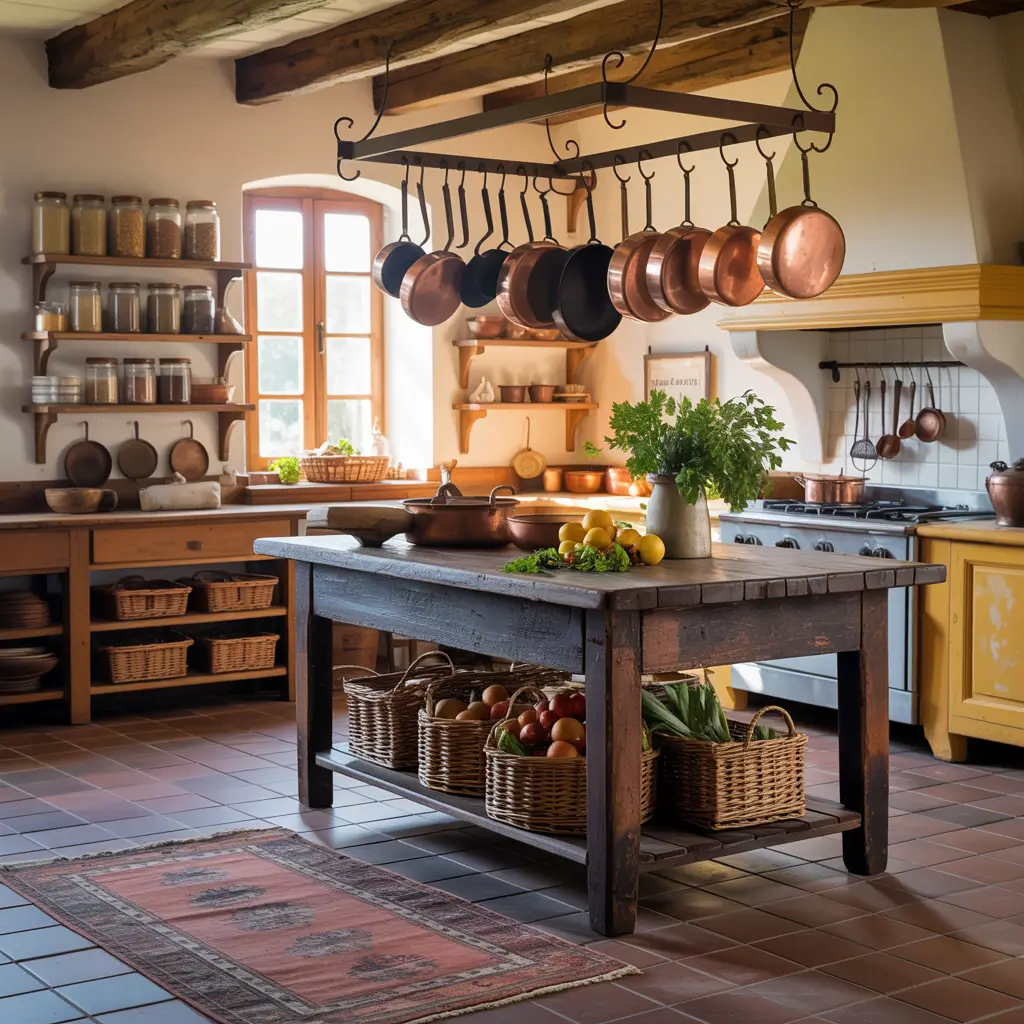
Storage challenges plague every kitchen, but farmhouse style offers charming solutions that blend function with aesthetics.
Wood storage elements I’ve incorporated include:
- Vintage wooden crates mounted as wall storage
- Wooden drawer organizers for utensils and tools
- Reclaimed wood shelving in the pantry
- Wooden lazy Susans for corner cabinets
- Antique wooden cabinets repurposed for storage
My favorite storage hack involves wooden peg rails mounted at varying heights. I use them for hanging everything from coffee mugs to cooking utensils to small baskets containing odds and ends. The Shaker-style peg rail costs maybe $40 to make but delivers serious storage and visual appeal.
I also built a floor-to-ceiling pantry using reclaimed wood doors and shelving. The wood grain adds warmth to what could otherwise be a boring storage closet. Glass jars and containers with wooden lids keep dry goods organized while maintaining the aesthetic.
Creative Wood Storage Ideas
Think beyond traditional cabinets:
- Ladder shelving leaning against walls for display and storage
- Wooden corbels supporting floating shelves
- Vintage wood toolboxes for storing utensils
- Wood and wire baskets for produce storage
- Wooden plate racks mounted above counters
The beauty of farmhouse storage is how it puts functional items on display rather than hiding everything. Your wooden cutting boards become wall art. Your vintage wooden spoons sit in crocks on the counter. Storage becomes part of the decor rather than something you need to conceal.
Eco-Friendly Farmhouse Kitchen Upgrades
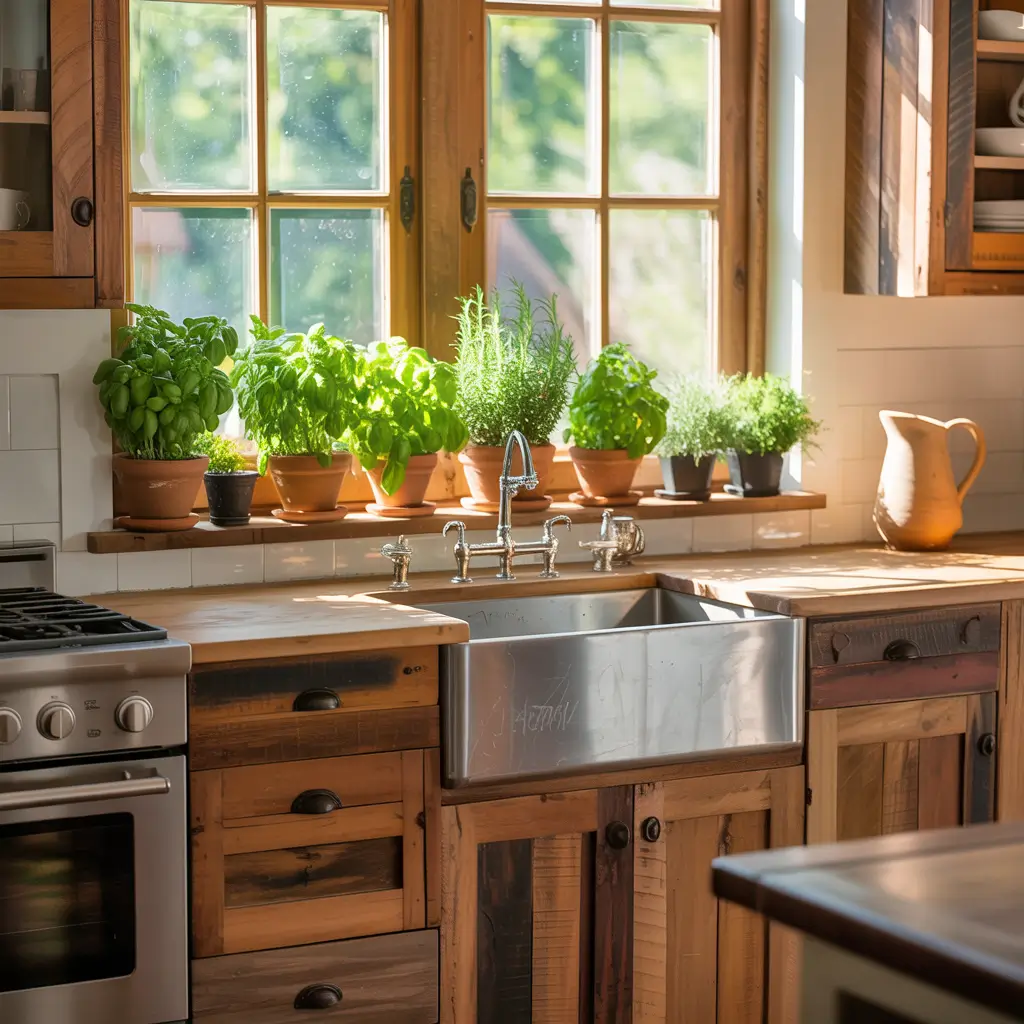
The farmhouse aesthetic naturally aligns with eco-friendly choices, especially when you prioritize reclaimed and sustainable wood products.
I’ve made several green upgrades that enhanced both my kitchen’s farmhouse appeal and my environmental footprint. Using reclaimed wood for my beams, shelving, and accents meant giving new life to materials that might otherwise end up in landfills. Each piece of salvaged wood carries history while reducing demand for newly harvested timber.
Eco-friendly farmhouse upgrades include:
- Reclaimed wood elements sourced from old barns, factories, or homes
- FSC-certified wood for new cabinetry and butcher block
- Natural, non-toxic finishes like linseed oil or beeswax
- Vintage and secondhand accessories reducing new production demand
- Energy-efficient appliances in retro or farmhouse styling
I refinished my butcher block countertop with food-grade mineral oil and beeswax, avoiding toxic chemical sealants. The natural finish requires more frequent reapplication but smells amazing and won’t off-gas harmful VOCs into my kitchen air.
Shopping secondhand for wooden accessories and furniture reduces environmental impact while adding authentic vintage character. That old wooden breadbox from the 1950s? It’s survived decades already and will likely outlast anything manufactured today. Plus, the craftsmanship often exceeds modern mass-produced alternatives.
Sustainable Wood Choices
When buying new wood products, I research sources carefully:
- Bamboo cutting boards and accessories (rapidly renewable resource)
- Locally sourced wood to reduce transportation emissions
- Salvaged wood from demolition or renovation projects
- Certified sustainable hardwoods when new lumber is necessary
The farmhouse kitchen philosophy of valuing quality, durability, and timeless design naturally supports sustainability. You’re investing in pieces that’ll last decades rather than following disposable trends. My grandma’s wooden rolling pin still works perfectly after 70+ years—that’s the kind of sustainability I’m here for.
Wrapping It All Up
Farmhouse kitchens continue captivating us because they prioritize warmth, authenticity, and livability over sterile perfection. The wood details we’ve explored—from exposed beams to butcher block counters to vintage accessories—transform cooking spaces into homes.
You don’t need to implement all fifteen ideas to create a stunning farmhouse kitchen. Start with one or two elements that resonate with you. Maybe it’s those open wooden shelves you’ve been dreaming about, or perhaps an apron front sink that makes your heart sing. Build from there, adding layers of wood texture and farmhouse charm gradually.
The best farmhouse kitchens reflect their owners’ personalities while embracing the style’s core values: comfort, functionality, and that ineffable sense of home. Your kitchen should feel like the warm hug you need after a long day, not a museum you’re afraid to use.