

15 Elegant Formal Dining Room Ideas for Timeless Design
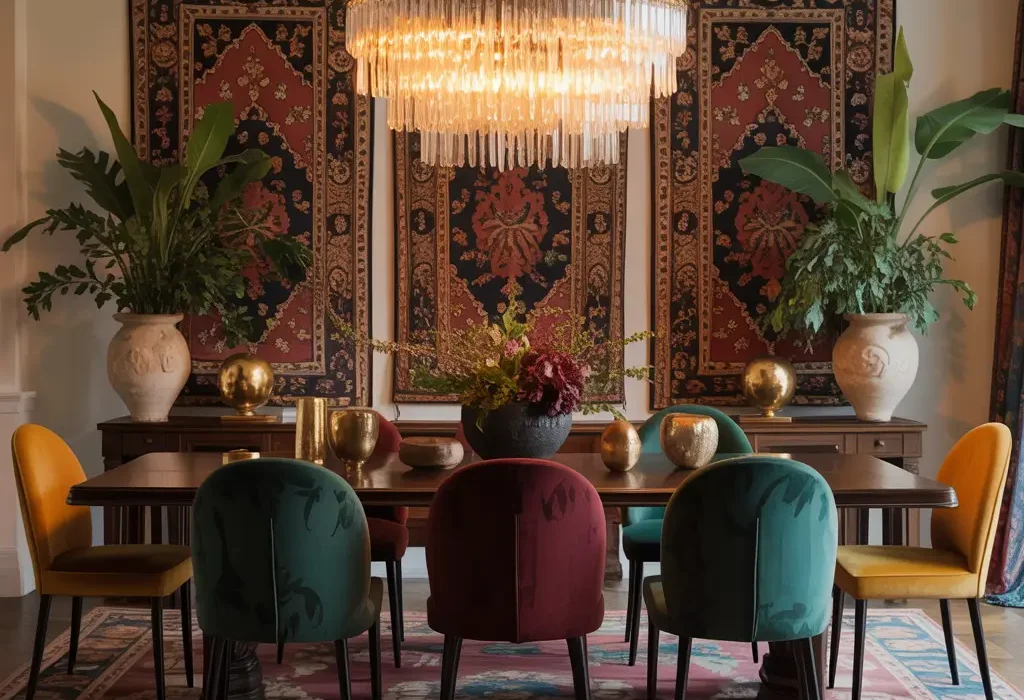
Look, I get it. Your dining room sits there, staring at you every day, begging for some love. Maybe it’s become that awkward space where you stack Amazon boxes, or worse, it’s trying really hard but just isn’t giving what it should give. A formal dining room shouldn’t feel like a museum nobody visits—it should make you want to throw dinner parties just so you can show it off. After spending years helping friends transform their sad dining spaces (and making plenty of mistakes in my own home), I’ve learned what actually works for creating that timeless, elegant vibe without looking like you’re trying too hard. So grab your coffee, and let’s talk about 15 dining room ideas that’ll make your space absolutely stunning.
Classic European Elegance Dining Room
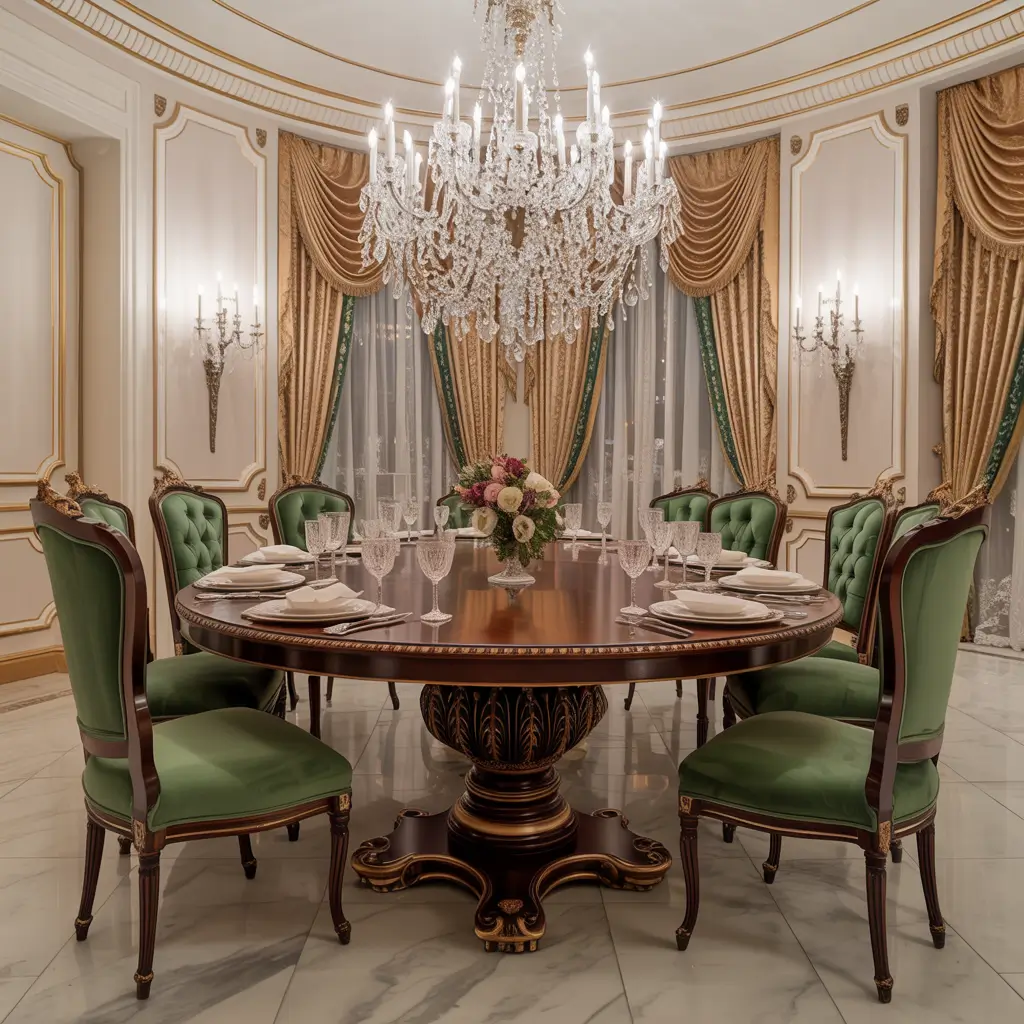
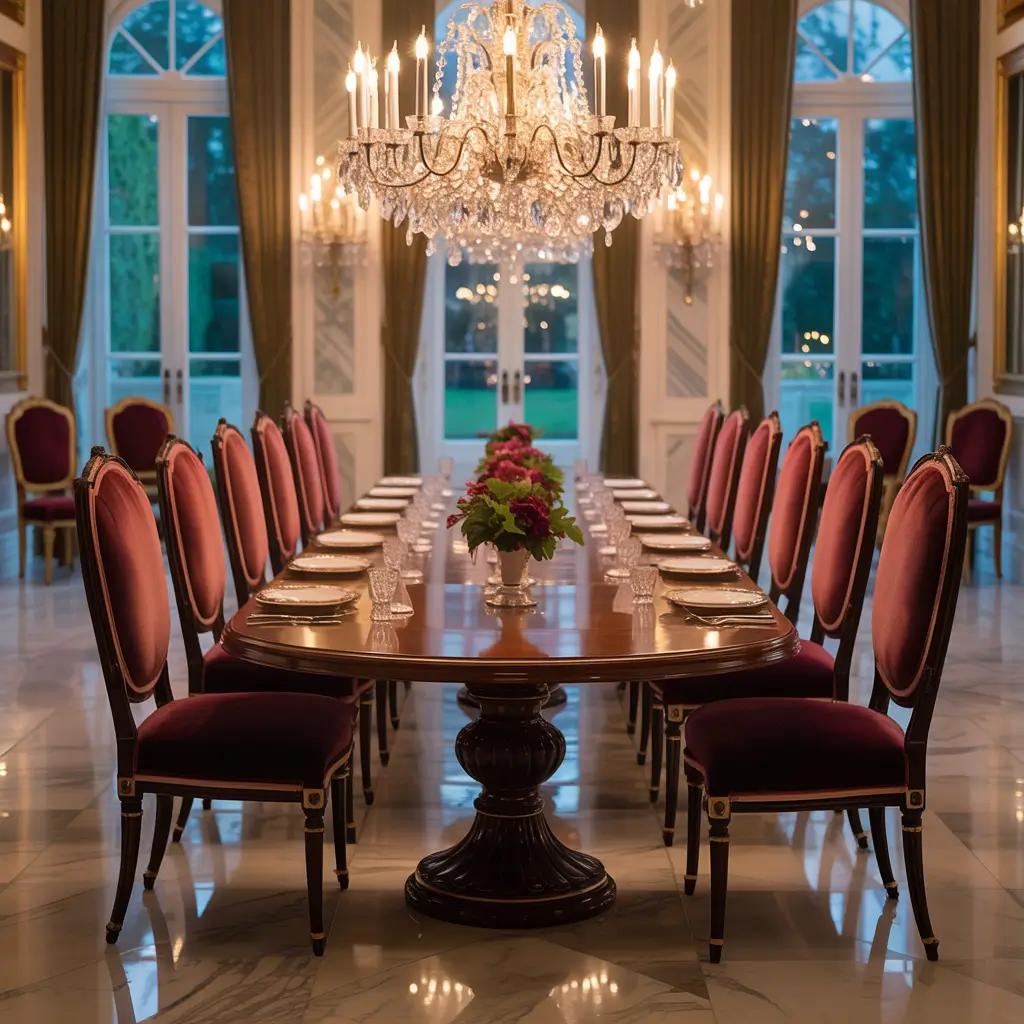
You know that feeling when you walk into a French château and everything just feels… right? That’s what we’re going for here. Classic European elegance never goes out of style because it’s rooted in centuries of design evolution that actually works.
The foundation of this look starts with rich, warm wood furniture—think mahogany, walnut, or cherry wood dining tables with intricate detailing. I’m talking about those gorgeous turned legs and carved edges that make you wonder how anyone had the patience to create them. Pair this with upholstered dining chairs in velvet or damask fabrics, and you’re already halfway there.
Here’s what makes this style work:
- Ornate crown molding that draws the eye upward
- Crystal chandeliers (because why not add some sparkle?)
- Gilded mirrors to reflect light and make the space feel larger
- Heavy drapes in silk or velvet that puddle slightly on the floor
- Antique or antique-inspired sideboards for that authentic feel
The color palette sticks to creams, golds, deep burgundies, and forest greens. I learned this the hard way when I tried adding a bright turquoise accent to my European-inspired room—it looked like a peacock crashed a royal wedding. Keep it sophisticated, keep it classic.
One trick I absolutely love? Layer your lighting. Don’t rely solely on that statement chandelier. Add sconces on the walls and maybe a table lamp on your sideboard. This creates depth and warmth that single-source lighting just can’t achieve.
Modern Glam Formal Dining Space
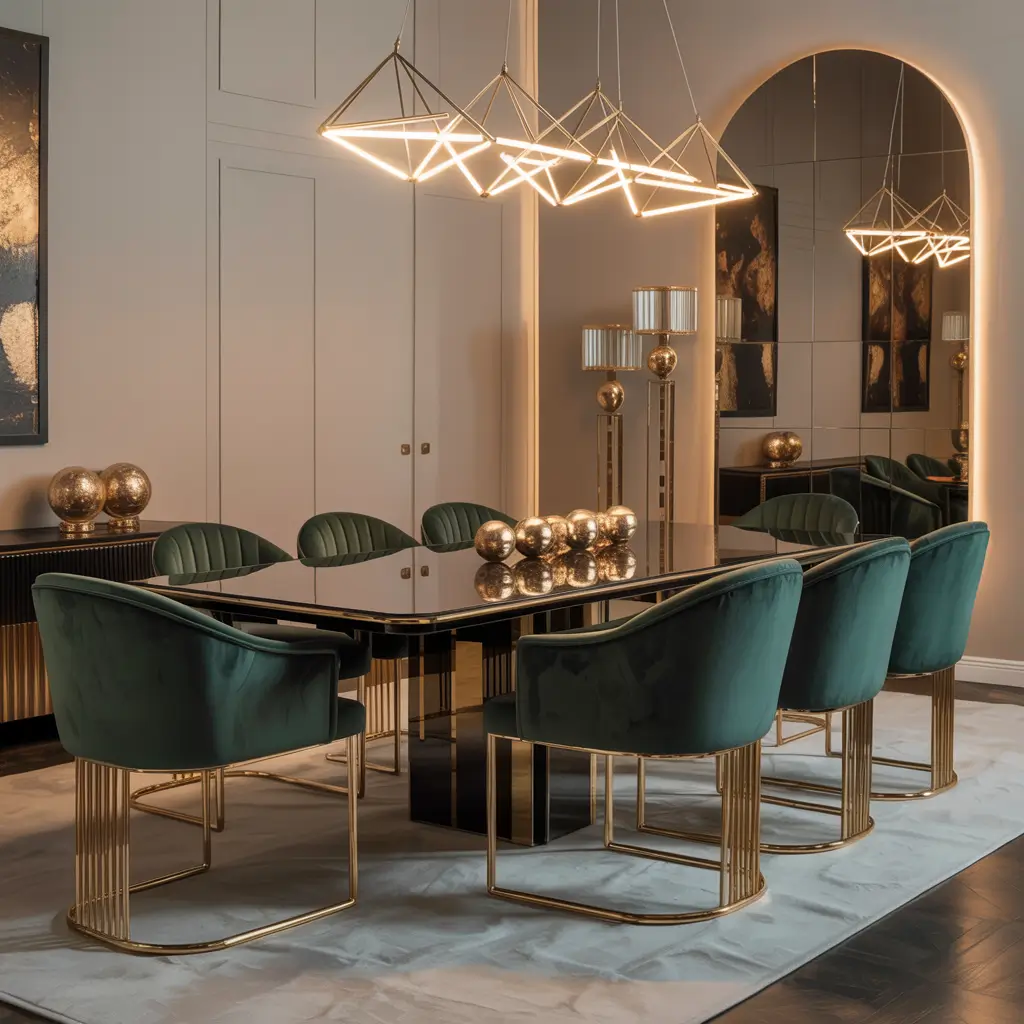
Want to feel like you’re dining in a penthouse suite every single night? Modern glam brings all the luxury without the stuffiness of traditional formal spaces. This style basically says, “Yeah, I have great taste, and I’m not afraid to show it.”
Modern glam thrives on contrast and shine. Picture a sleek marble dining table (or one with a high-gloss finish) surrounded by chairs with metallic legs—gold, brass, or chrome work beautifully here. The furniture lines are clean and contemporary, but you punch up the glamour with your accessories and finishes.
Key elements you’ll want:
- Metallic accents everywhere—light fixtures, chair legs, decorative objects
- Lucite or acrylic chairs for that ultra-modern transparent look
- Mirrored or glass surfaces that catch and reflect light
- Plush textures like velvet cushions or faux fur throws
- Geometric patterns in your rug or wallpaper
The magic happens when you mix textures. Smooth glass next to soft velvet. Hard metal beside plush fabric. This creates visual interest that keeps the eye moving around the room. FYI, this is also the perfect style if you love hosting Instagram-worthy dinner parties 🙂
I once visited a friend who nailed this look by combining a white marble table with blush pink velvet chairs and gold pendant lights. The whole room sparkled without feeling overdone. She told me her secret was keeping the walls neutral (soft gray) so all those glamorous elements could really pop.
Traditional Luxury Dining Room
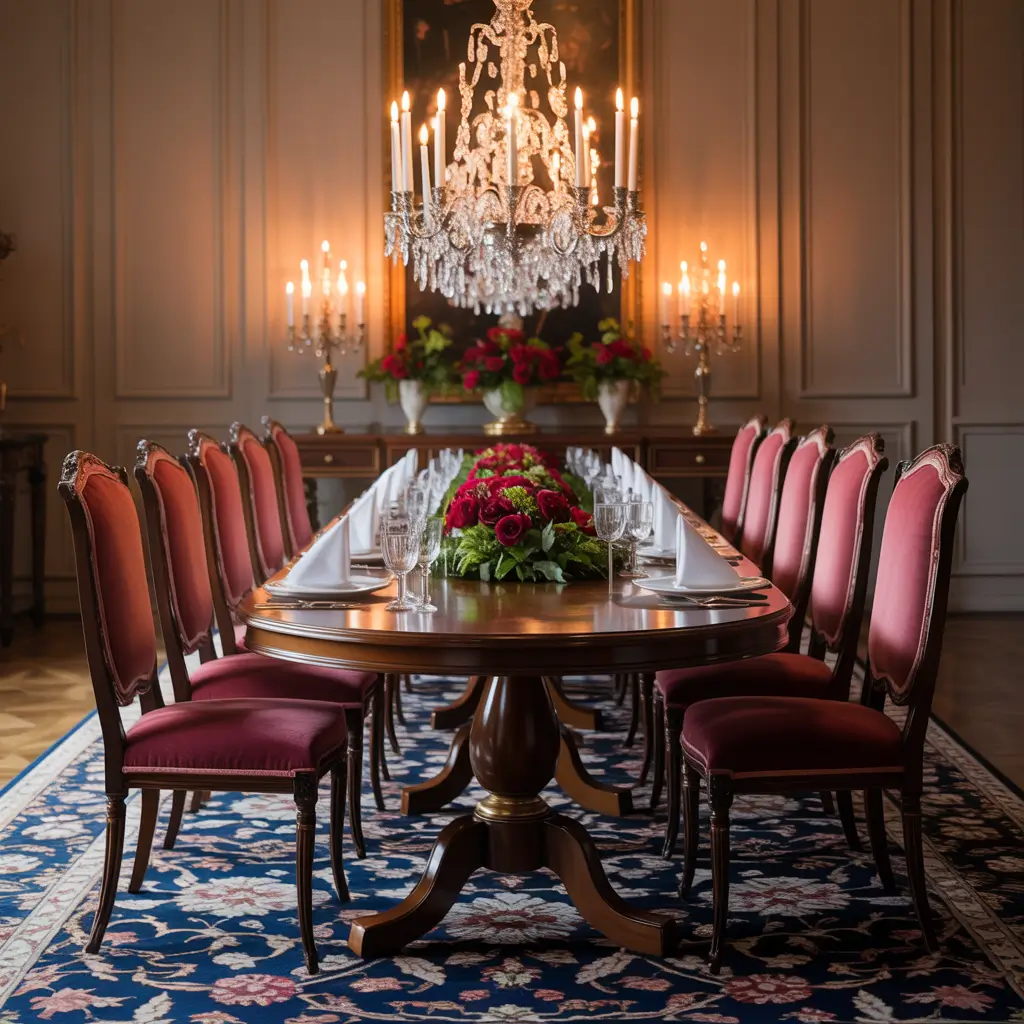
Traditional luxury doesn’t apologize for being fancy. This style embraces formality with open arms and makes zero excuses about it. If Classic European is your sophisticated aunt, Traditional Luxury is your grandmother’s pearl necklace—timeless, valuable, and always appropriate.
You’ll build this look around substantial, high-quality furniture that feels like it could survive generations (because it should). We’re talking solid wood tables, probably with a pedestal base, surrounded by formal dining chairs with upholstered seats and backs. Comfort matters here—your guests will sit through multi-course meals.
Essential components include:
- Coordinated furniture sets (yes, matching is encouraged here)
- Fine china displays in glass-front cabinets
- Formal window treatments with swags, cascades, or valances
- Persian or Oriental rugs that ground the space
- Classical artwork in ornate frames
- Fresh flowers or elaborate centerpieces
The color scheme leans toward rich jewel tones—sapphire blue, emerald green, ruby red—paired with warm neutrals like beige, cream, and taupe. Wood tones should be medium to dark, creating that sense of weight and permanence.
Here’s something nobody tells you about traditional luxury: symmetry is your best friend. Matching sconces flanking a centered buffet. Identical chairs on either side of the table. Even numbers of decorative objects. Your brain reads symmetry as organized and intentional, which screams luxury.
Minimalist Formal Dining with Statement Lighting
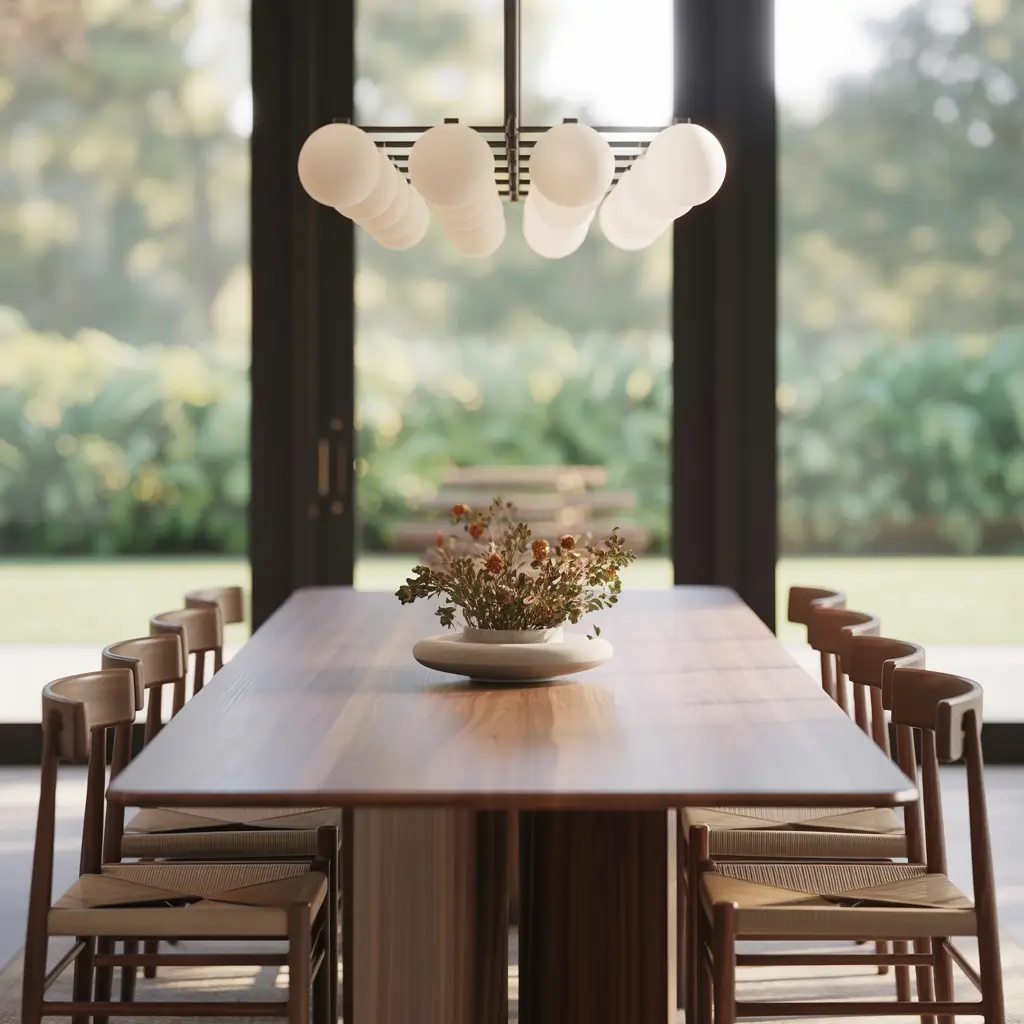
Who says formal has to mean fussy? Minimalist formal dining proves you can create elegance through restraint. This approach strips away the excess and lets a few perfect pieces do all the talking.
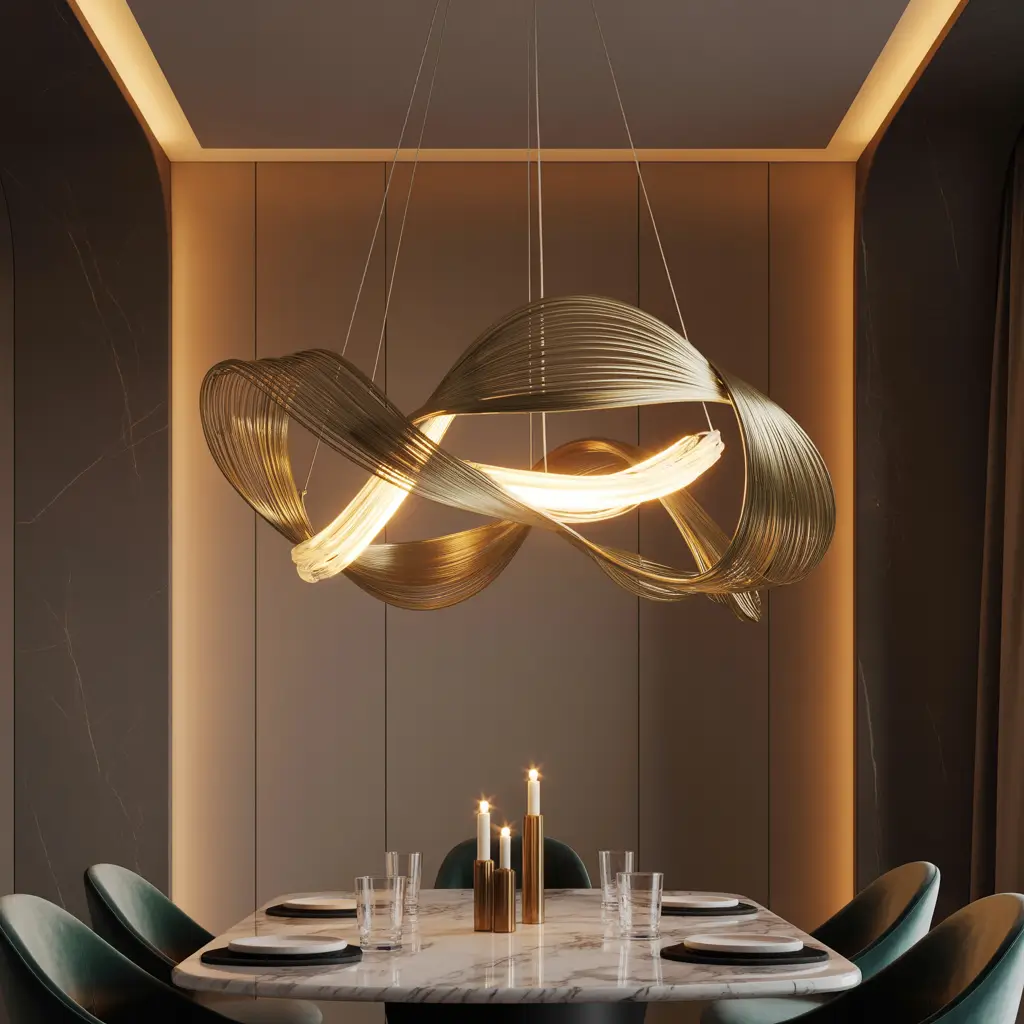
The star of this show? Your statement lighting fixture. When you keep everything else pared back, your chandelier or pendant light becomes the room’s jewelry. I’m talking about sculptural pieces, dramatic shapes, or unexpected materials that make people stop and stare.
Build this look with:
- Simple, clean-lined dining table (wood or marble work beautifully)
- Streamlined chairs without excessive ornamentation
- One incredible light fixture that breaks all the minimalist rules
- Limited color palette (usually neutrals with one accent color max)
- Clear surfaces with minimal decorative objects
- Hidden storage to keep clutter out of sight
The trick here is quality over quantity. Each piece you include needs to earn its place in the room. That dining table should be beautiful wood with gorgeous grain. Those chairs should have perfect proportions. Even your flatware should be thoughtfully chosen.
I helped a colleague create this look in her new condo, and we spent weeks finding the right light fixture—a massive brass and glass geometric sculpture that absolutely transformed the space. Everything else stayed simple: white walls, natural wood table, gray upholstered chairs. But that light? Chef’s kiss.
Also Read: 15 Creative Green Dining Room Ideas with Trendy Vibes
Art Deco Inspired Dining Room
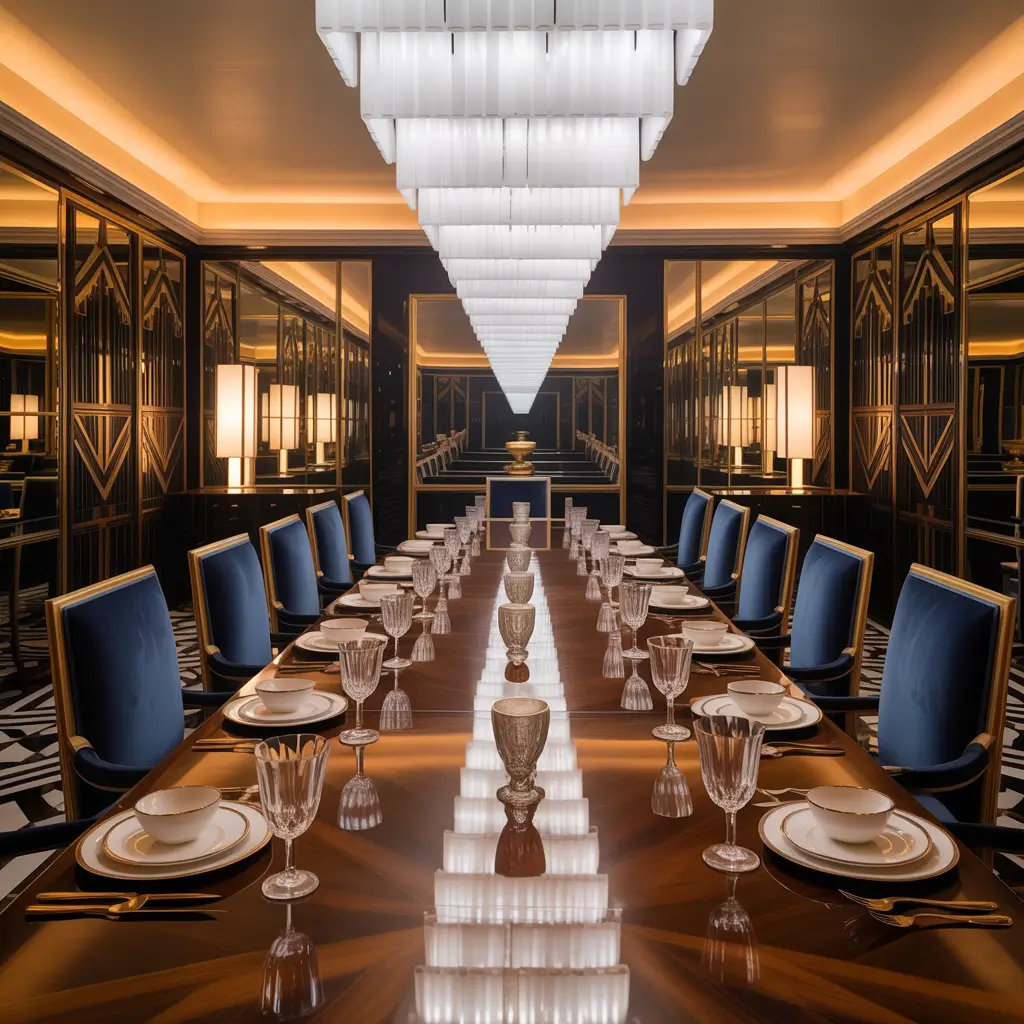
Ever wonder why we’re still obsessed with the Roaring Twenties? Art Deco brings drama, geometry, and a touch of rebellion to formal dining. This style celebrates luxury and craftsmanship while maintaining a modern edge that never feels dated.
Art Deco loves bold geometric patterns, rich materials, and striking contrasts. Think black and gold, navy and brass, or emerald green with chrome accents. The furniture features clean lines but with decorative elements—sunburst patterns, stepped forms, and zigzag motifs.
Essential Art Deco elements:
- Geometric light fixtures (think starburst chandeliers or angular pendants)
- Mirrored surfaces and reflective finishes
- Lacquered furniture in high-gloss black, white, or jewel tones
- Bold wallpaper featuring geometric or stylized patterns
- Chrome, brass, or nickel hardware and accents
- Luxe materials like marble, exotic woods, and glass
The color combinations here need confidence. Art Deco doesn’t do timid. You’re pairing deep colors with metallics, creating contrast that demands attention. A black dining table with gold-leafed edges. Navy walls with brass sconces. White marble floors with black geometric inlays.
What I love about this style is how it balances masculine and feminine energy. The geometry reads masculine, but the ornate details and luxury materials soften everything beautifully. It’s assertive without being aggressive—perfect for a dining room that needs personality.
Transitional Formal Dining with Neutral Palette
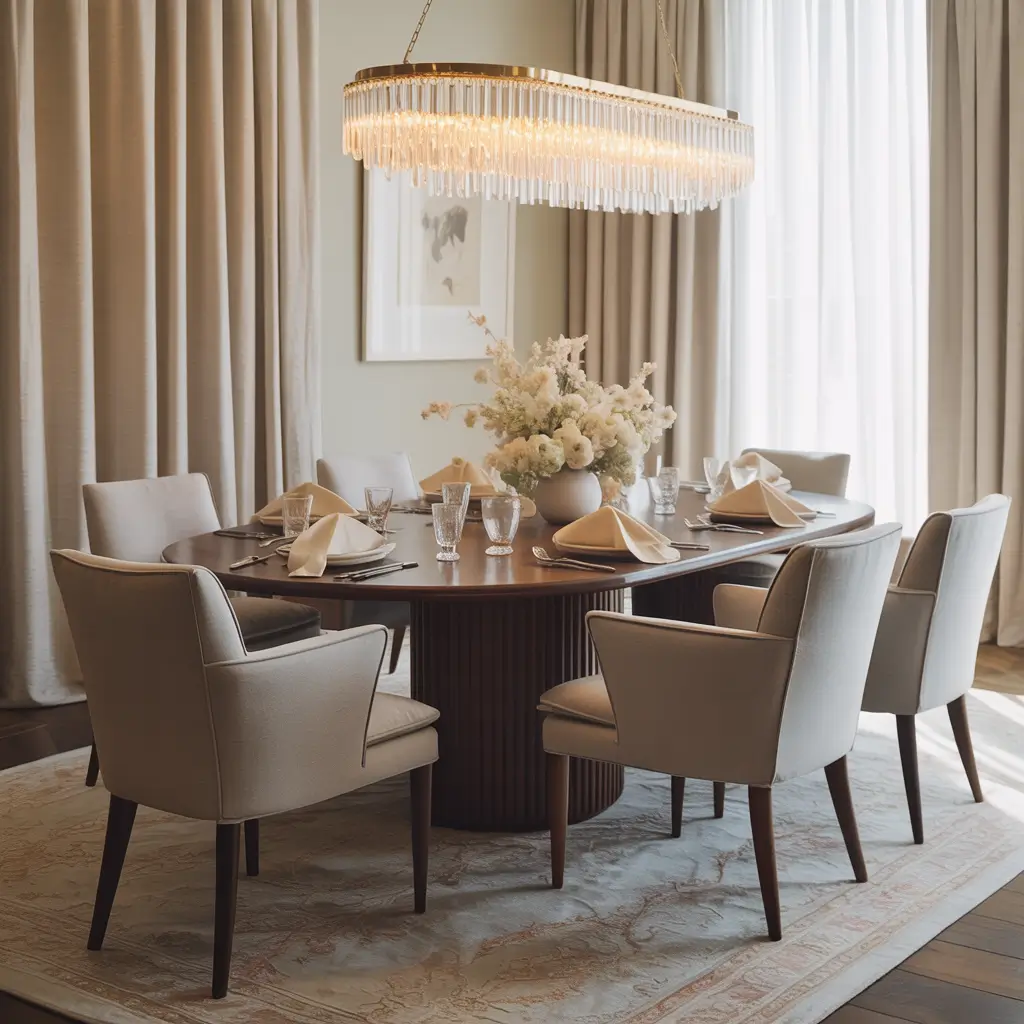
Can’t decide between traditional and contemporary? Transitional style is your answer, and honestly, it’s probably the most livable option on this list. This approach blends the best of both worlds—traditional elegance with contemporary simplicity—resulting in a space that feels both current and timeless.
Transitional dining rooms breathe. They’re not cluttered with ornate details, but they’re not stark either. You’ll mix traditional dining table shapes (oval, rectangular) with more contemporary chairs. Or pair a modern table with classic upholstered seating. The magic happens in the mixing.
Your transitional toolkit includes:
- Neutral color palette (grays, beiges, whites, soft blues)
- Mix of materials—wood, metal, glass, and upholstered pieces
- Simple window treatments (no heavy swags here)
- Combination of curved and straight lines
- Updated traditional patterns (maybe a modern take on damask)
- Contemporary art in traditional frames (or vice versa)
The neutral palette keeps everything cohesive when you’re mixing styles. I’ve seen this work beautifully with warm grays on the walls, a medium-toned wood table, contemporary wishbone chairs, and a traditional crystal chandelier. Nothing fights for attention, but nothing’s boring either.
IMO, this is the safest choice if you’re worried about your dining room feeling dated in ten years. Transitional style evolves with you—swap out a few accessories, change your artwork, and suddenly the room feels fresh again without requiring a complete overhaul.
Victorian-Inspired Formal Dining
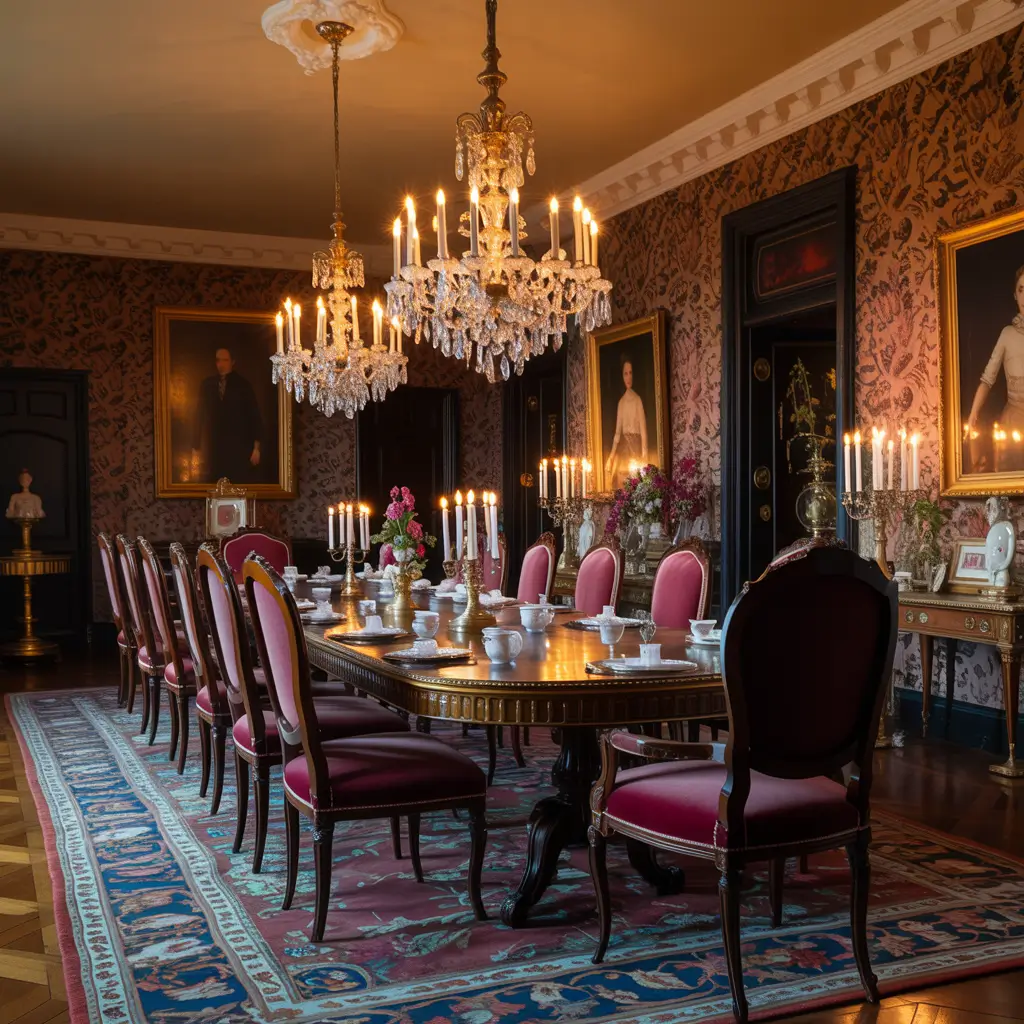
Okay, Victorian style isn’t for the faint of heart. This is maximalism at its finest—rich, romantic, and absolutely dripping with detail. If you love pattern, texture, and ornate everything, Victorian-inspired dining might be your soulmate.
Victorian dining rooms tell stories through their layers of pattern, deep colors, and elaborate furnishings. We’re talking about rooms that took months (maybe years) to curate, filled with pieces that mean something. This isn’t style—it’s a lifestyle.
Create this look with:
- Dark, ornately carved wood furniture (the more detail, the better)
- Layered patterns—florals, damasks, paisleys all playing together
- Rich, deep colors like burgundy, hunter green, plum, and navy
- Heavy, elaborate window treatments with tassels and fringe
- Wallpaper (probably floral or damask)
- China cabinets displaying your finest pieces
- Multiple light sources including candles and oil lamp replicas
Here’s the thing about Victorian style: you need commitment. You can’t half-heartedly Victorian. Either embrace the excess or choose a different style. I’ve seen people try to do “Victorian-lite” and it just looks confused.
The color schemes run deep and moody. We’re painting walls in saturated colors that would terrify most people. But paired with all that dark wood and pattern, somehow it works. You’re creating a jewel box—intimate, rich, and completely enveloping.
One word of warning: Victorian rooms photograph darker than they feel in person. If you’re going this route, invest in really good lighting. Your statement chandelier needs backup from sconces, table lamps, and maybe even uplighting to keep the space from feeling like a cave.
Rustic Formal Dining with Luxe Accents
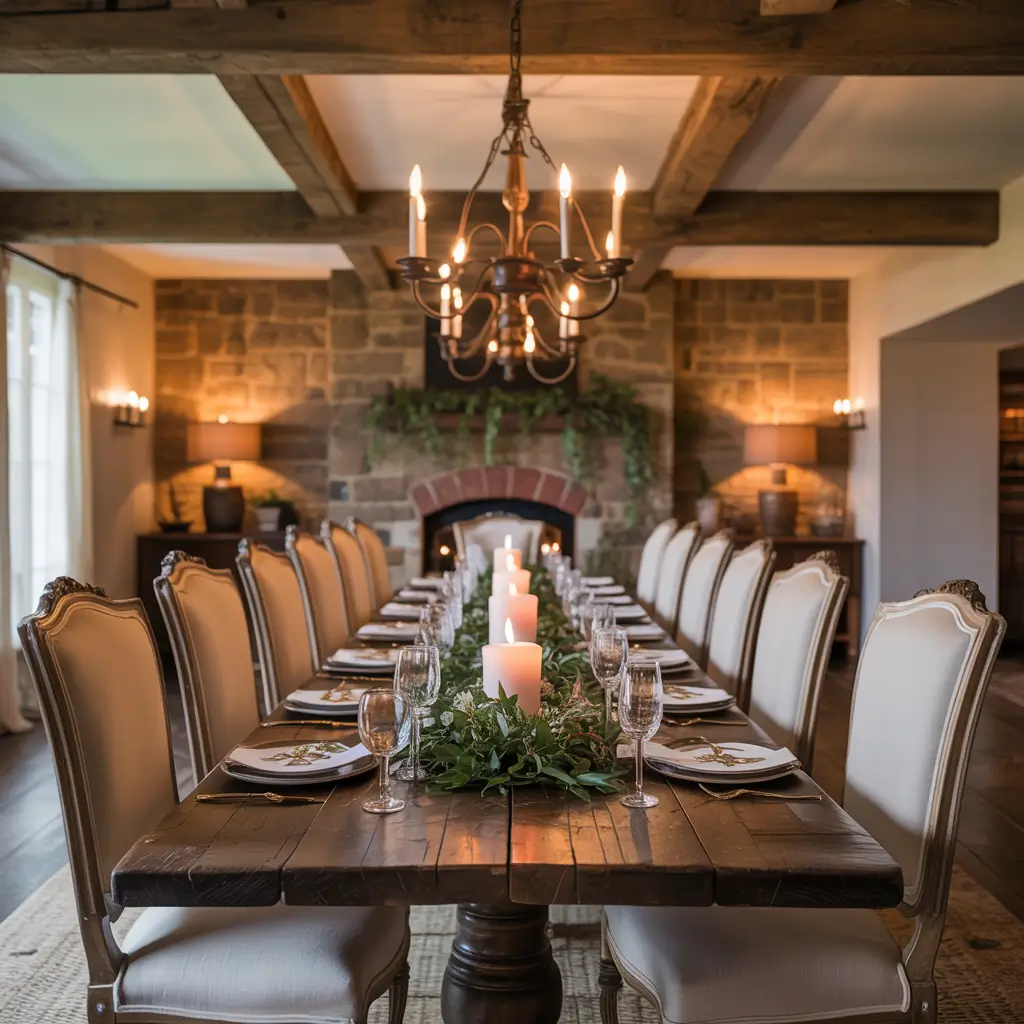
Who says rustic can’t be formal? This combination sounds contradictory, but when you nail it, you create something special—a dining room that feels both welcoming and elevated. You’re basically telling your guests, “Get comfortable, but also, we’re fancy.”
The foundation here is natural, rustic elements—think reclaimed wood tables, exposed beams, or stone accents. Then you layer in luxurious touches that elevate the whole situation. It’s the design equivalent of wearing a cashmere sweater with your jeans.
Build this look with:
- Substantial wood dining table (reclaimed, live edge, or distressed)
- Upholstered chairs in velvet, linen, or leather
- Statement chandelier (maybe a crystal one over that rustic table)
- Natural textures—woven rugs, linen curtains, wooden bowls
- Metallic accents in aged brass, copper, or iron
- Luxe details—monogrammed napkins, silver candlesticks, fine china
The color palette sticks to naturals—browns, creams, soft greens, warm grays—with your luxe accents providing pops of metallic shine. You’re creating contrast through material choice rather than color.
I watched my sister create this exact vibe in her farmhouse, and it’s genius. She paired a massive reclaimed wood table (seriously, the thing weighs like 300 pounds) with tufted cream linen chairs and a crystal chandelier. Then added copper pendant lights, fresh eucalyptus, and vintage brass candlesticks. Rustic bones, luxe soul.
Black & White Sophisticated Dining Room
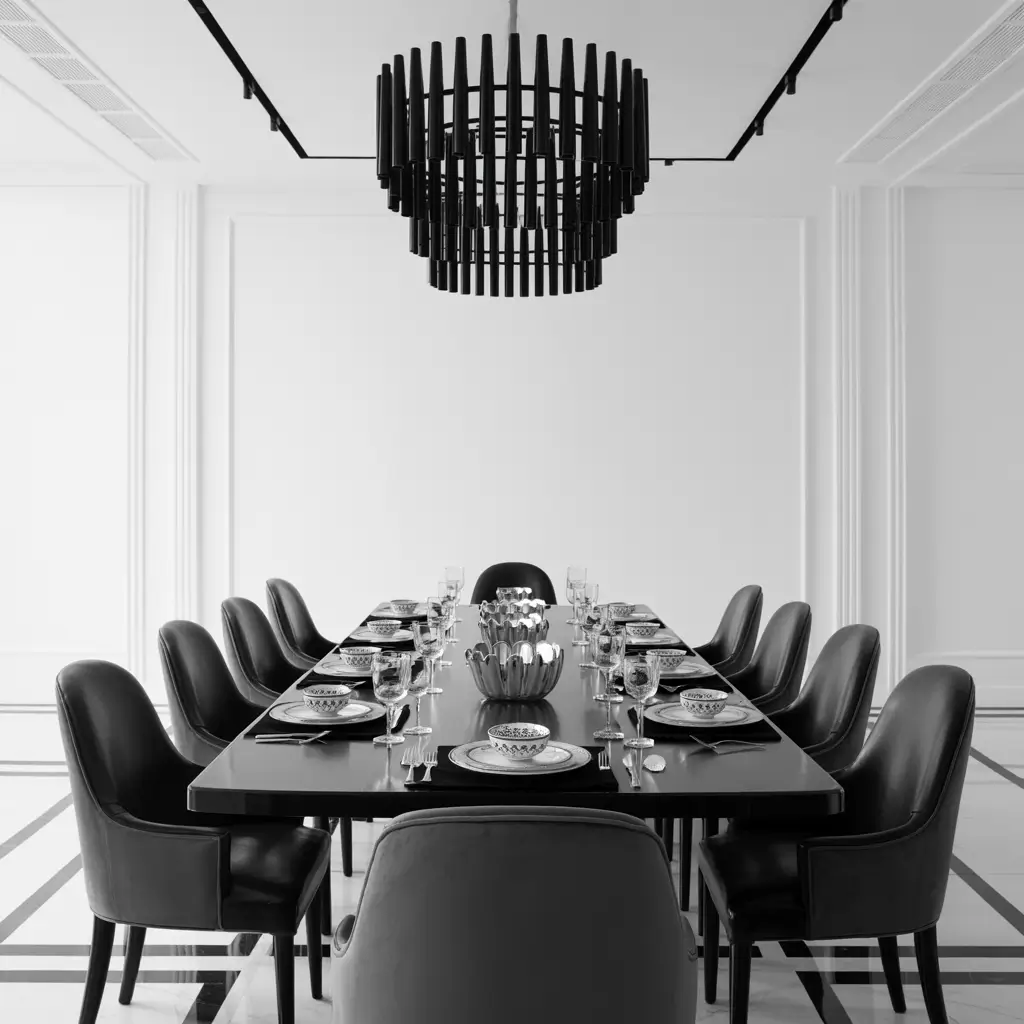
Nothing screams elegance quite like a well-executed black and white palette. This timeless combination works because it’s bold without being busy, dramatic without being overwhelming. Plus, it photographs like a dream, if that matters to you.
The success of a black and white dining room lies in your proportions. Too much black feels oppressive. Too much white feels sterile. You want balance—usually a dominant color (often white or cream) with the other as a strong accent.
Essential elements include:
- White or cream walls as your backdrop
- Black dining table (or white table with black chairs)
- Contrast in your seating—black chairs with white cushions or vice versa
- Black and white artwork or photography
- Strategic pattern—maybe a black and white striped rug or geometric wallpaper
- Metallic accents (silver, chrome, or nickel work best here)
- Fresh greenery to prevent the space from feeling too stark
What I love about this palette is how it lets you play with texture. High-gloss black lacquered table? Yes. Matte white walls? Perfect. Black velvet chairs? Absolutely. The lack of color forces you to think about surface quality, and that creates depth.
You also get to have fun with your chandelier here. A black and white room can handle almost any light fixture—crystal for traditional glamour, modern geometric for contemporary edge, or even a black iron piece for industrial sophistication.
One tip: add warmth through natural elements. Wood floors, natural fiber rugs, or wooden accessories keep the space from feeling cold. Nobody wants to dine in an igloo, no matter how chic it looks 🙂
Also Read: 15 Creative Mid Century Modern Dining Room Ideas for Cozy Spaces
Mid-Century Modern Formal Dining
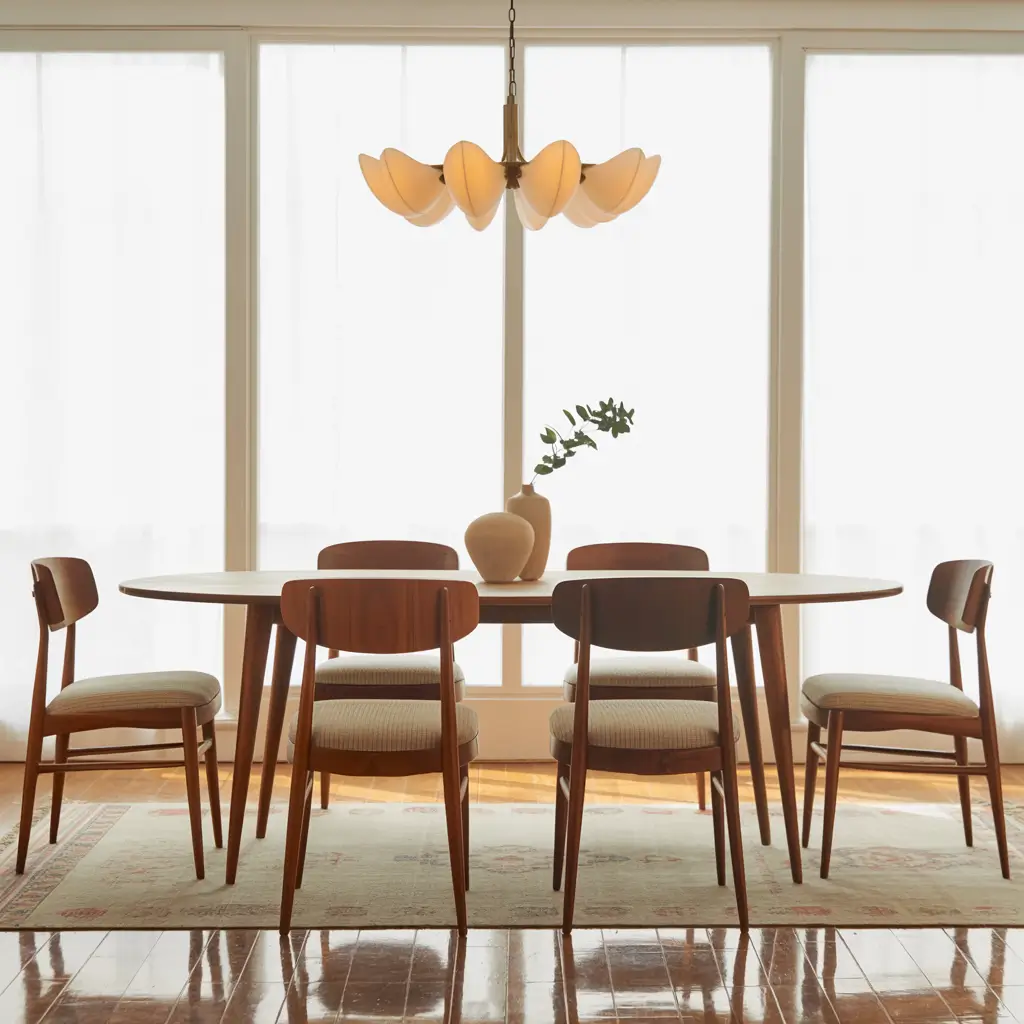
Mid-century modern refuses to die, and honestly, I’m not mad about it. This style brings clean lines, organic shapes, and functional beauty to the formal dining space. It proves you can be sophisticated without being stuffy—a lesson we all need.
The mid-century approach favors simplicity, functionality, and connection to nature. Your dining furniture features tapered legs, smooth surfaces, and honest materials. No pretense, no excessive ornamentation—just good design doing its job.
Create this iconic look with:
- Tapered-leg dining table in walnut or teak
- Classic mid-century chairs (think Eames, Saarinen, or Wegner-inspired pieces)
- Statement lighting like a Sputnik chandelier or Nelson bubble lamp
- Minimal window treatments or none at all
- Warm wood tones throughout
- Pops of color in muted oranges, teals, or mustard yellows
- Abstract or geometric artwork
The color palette balances warm wood tones with neutral walls (white, cream, or soft gray) and strategic color pops. You’re not drowning in color—you’re using it intentionally to create focal points.
What makes mid-century work in formal dining is its inherent elegance. The furniture designers of that era understood proportion, material, and craft. A genuine Saarinen tulip table doesn’t need elaborate decoration—the design itself is beautiful enough. Even quality reproductions capture that thoughtful simplicity.
I’ve noticed people often under-light mid-century spaces, trying to keep everything minimal. Don’t make this mistake. Yes, you want clean lines, but you also need adequate lighting. That Sputnik chandelier might be gorgeous, but add some subtle recessed lighting or a floor lamp in the corner to ensure functionality.
Contemporary Glass & Metal Dining Room
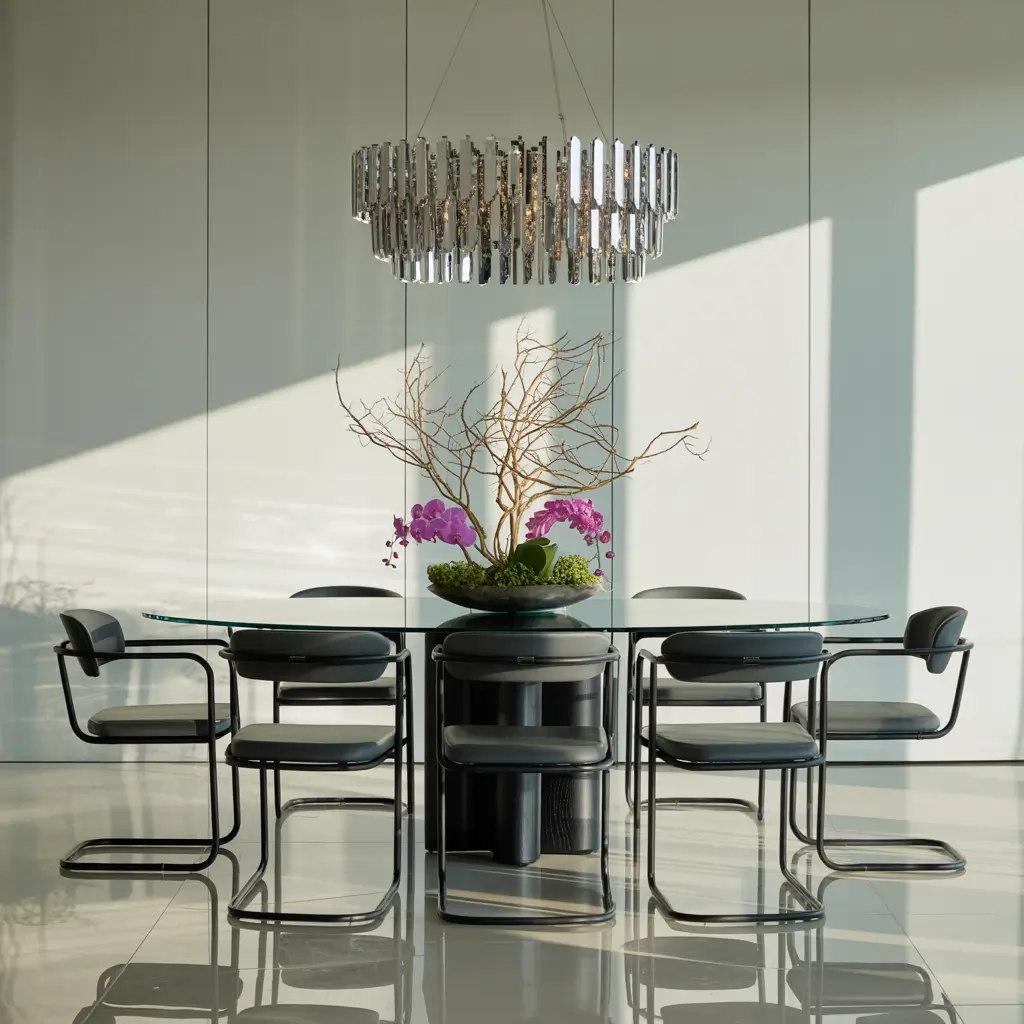
Want your dining room to feel like modern sculpture? Contemporary glass and metal design creates spaces that feel both substantial and ethereal. This approach embraces industrial materials while maintaining elegance through proportion and restraint.
The star players here are, obviously, glass and metal—but how you combine them determines whether your room feels cold and industrial or sleek and sophisticated. You’re aiming for the latter.
Build this look with:
- Glass dining table (clear, smoked, or back-painted)
- Metal-framed chairs (stainless steel, chrome, or powder-coated colors)
- Mixed metal finishes—chrome, brass, copper, or matte black
- Minimalist decor with architectural interest
- Neutral color palette letting materials shine
- Reflective surfaces that play with light
- Contemporary art with bold statements
The beauty of glass tables is how they visually expand space. Your dining area feels larger because you can see straight through to the floor. Pair this with metal chairs that have open backs or transparent seats (acrylic or mesh), and you’ve created an airy, modern environment.
Here’s where people mess up: they keep everything cold. All that glass and metal needs warmth or you’ll feel like you’re eating in an operating room. Add warmth through wood floors, upholstered seat cushions, or textile window treatments. Even a substantial area rug in a warm color grounds the space beautifully.
Lighting becomes crucial in these rooms because glass reflects and refracts light in interesting ways. A well-placed pendant or chandelier creates patterns and shadows that add dimension to what could otherwise feel flat.
Luxe Bohemian Formal Dining
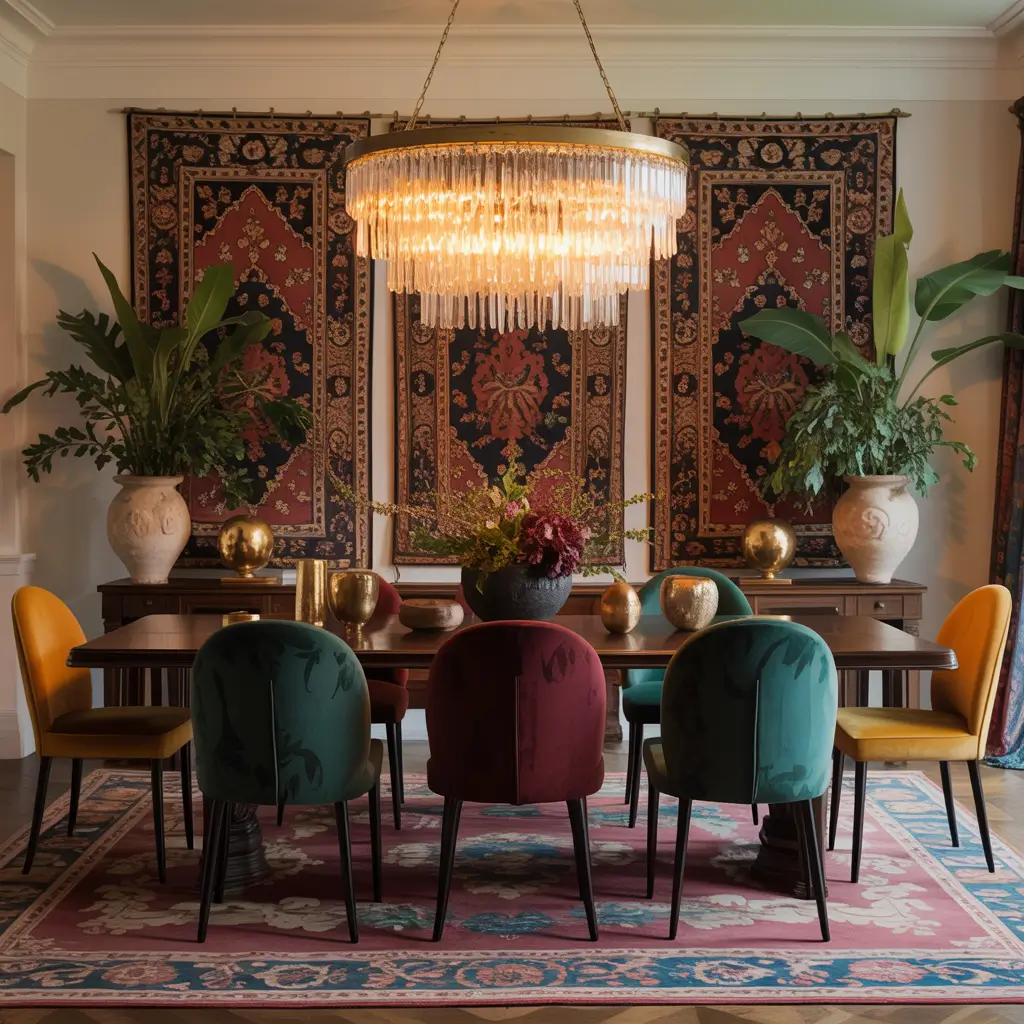
Bohemian formal dining sounds like an oxymoron, right? But when you elevate boho with luxurious materials and thoughtful curation, you get something magical—a space that feels collected, personal, and still impressively elegant.
This style tells stories. You’re mixing global influences, rich textiles, natural materials, and unexpected combinations to create a dining space that feels traveled and sophisticated. Think wealthy artist’s home rather than cookie-cutter showroom.
Essential elements include:
- Substantial wood table (maybe carved or with unusual detailing)
- Mix-and-match seating—different chair styles unified by color or upholstery
- Layered textiles like vintage rugs, embroidered table runners, and patterned cushions
- Global accents—Moroccan lanterns, Indian textiles, African baskets
- Natural elements like rattan, wicker, or macramé
- Rich jewel tones mixed with earth tones
- Collected art and objects that mean something to you
The “luxe” part comes from your material choices. Yes to that Moroccan-inspired chandelier, but make it brass rather than plastic. Yes to those patterned textiles, but choose hand-embroidered silk over synthetic prints. Quality elevates bohemian from messy to magical.
What I appreciate about this style is the permission it gives you to be yourself. Found something gorgeous at an antique market? Work it in. Inherited your grandmother’s embroidered tablecloth? That’s your new table runner. This approach celebrates the personal and imperfect.
Color-wise, you’re playing with rich, saturated tones—deep teals, burnt oranges, plums, and emerald greens—balanced with natural woods and creamy neutrals. The variety works because you’re pulling from the same tonal family.
Formal Dining with Bold Accent Walls
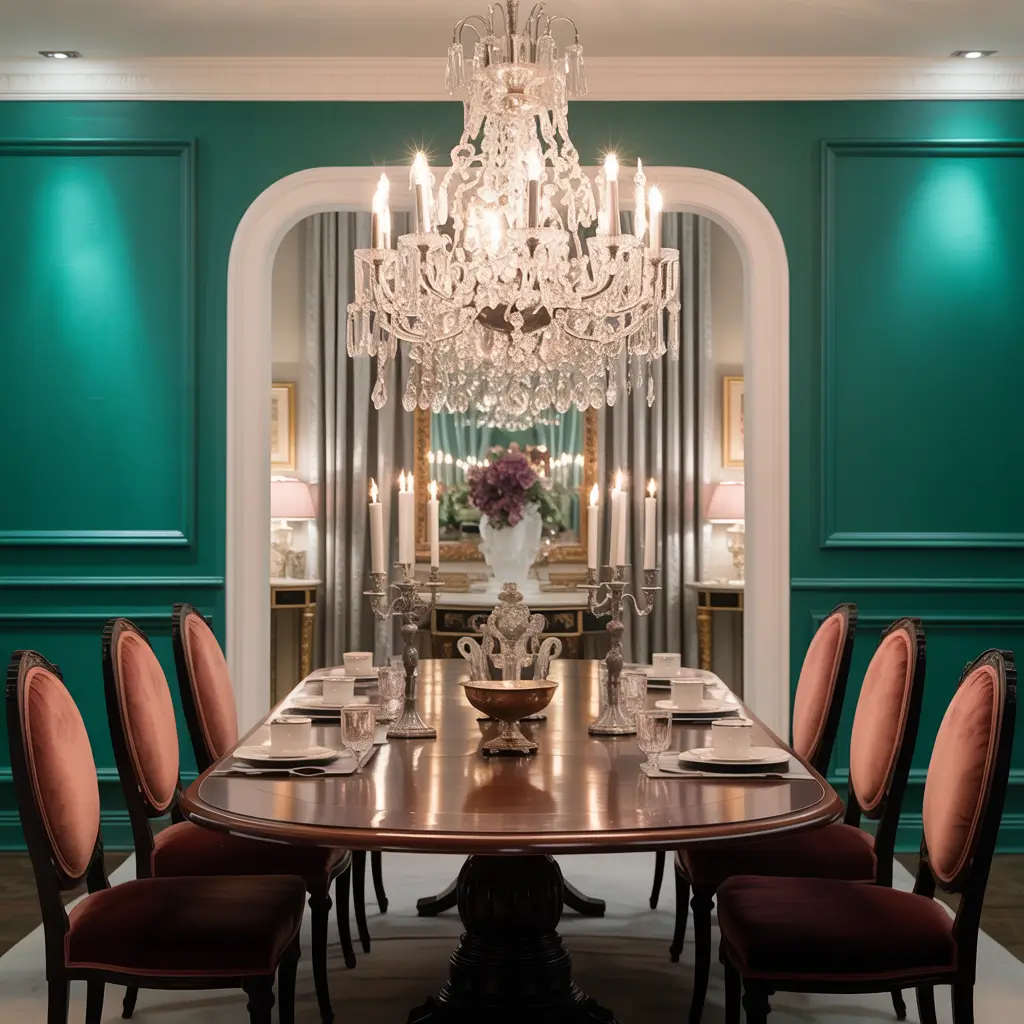
Sometimes your dining room just needs one dramatic moment, and a bold accent wall delivers exactly that. This approach lets you experiment with color, pattern, or texture without committing your entire room to something wild.
Your accent wall becomes the room’s focal point—the background against which everything else plays. Choose the wall behind your sideboard, the one at the head of your table, or whichever wall you see when you enter the room. Make it count.
Options for your accent wall:
- Deep, saturated paint colors—navy, forest green, charcoal, burgundy
- Dramatic wallpaper—florals, geometrics, metallics, or murals
- Textured treatments—grasscloth, wood paneling, or board-and-batten
- Stone or brick—exposed or added veneer
- Gallery wall with coordinated frames and artwork
- Mirrors—antiqued, modern, or mosaic arrangements
The key is letting your accent wall set the tone while keeping everything else relatively neutral. If you’ve installed bold floral wallpaper, your other walls should calm down. If you’ve painted one wall deep emerald, the others might stay cream or soft gray.
I went bold in my own dining room—deep navy grasscloth on one wall—and it completely transformed the space. Suddenly my simple white table and chairs had context. The room gained depth and personality without requiring a complete furniture overhaul.
One thing to watch: your lighting needs to accommodate your bold choice. Dark walls absorb light, so you’ll need more of it. Metallic wallpapers reflect light in unexpected ways. Test your wall treatment with your existing lighting before committing to the entire wall.
Monochromatic Elegant Dining Space
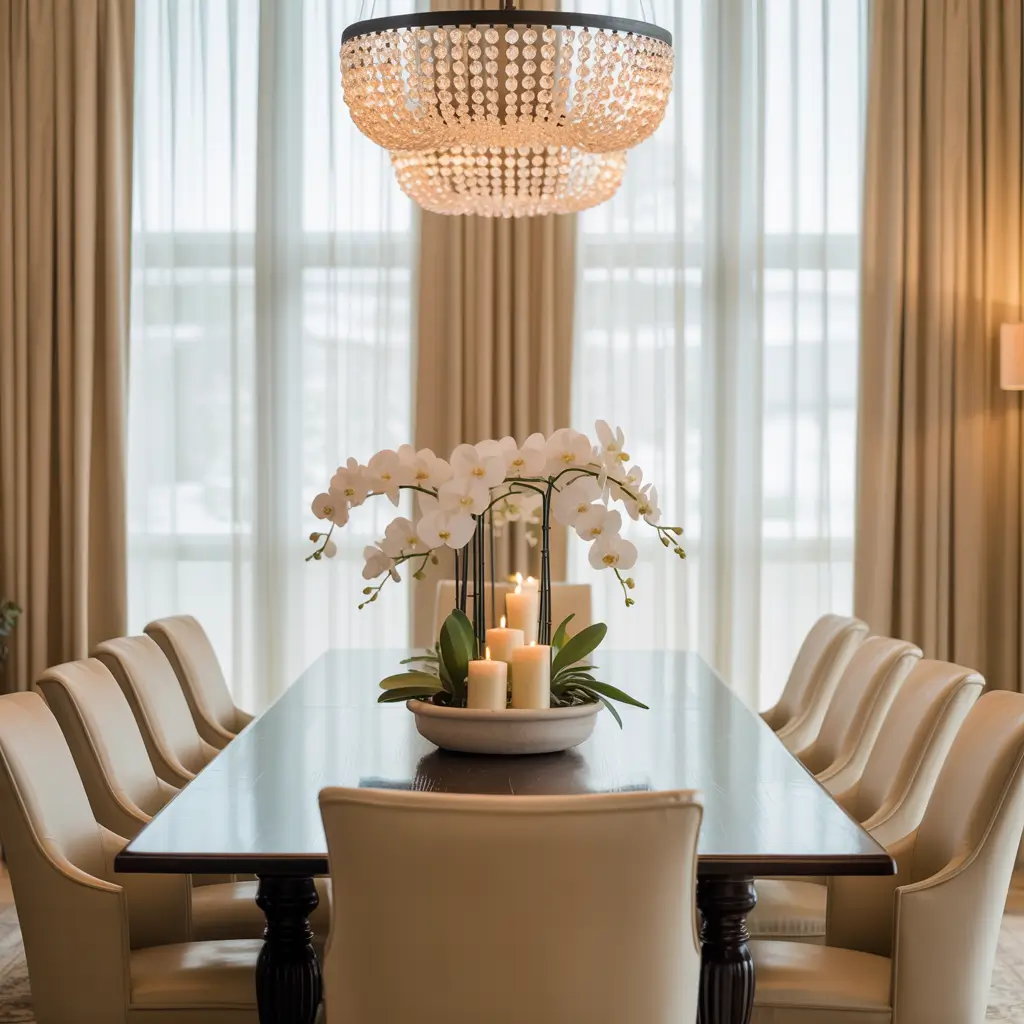
Monochromatic doesn’t mean boring—it means sophisticated. When you commit to a single color family, you create cohesion that feels incredibly polished and intentional. This approach forces you to think about texture, tone, and proportion rather than relying on color contrast.
The most successful monochromatic dining rooms play with different values (light to dark) and different textures within their chosen color. All white can work. All gray can work. All blue can work. The magic happens in the variation.
Create this cohesive look with:
- Walls, trim, and ceiling in different values of your chosen color
- Furniture in varying tones—maybe your table is darker than your chairs
- Textured elements to create visual interest (velvet, linen, wood, metal)
- Subtle pattern in the same color family
- Strategic lighting to highlight tonal variations
- One accent color (optional) used very sparingly
Let’s say you choose gray (a popular choice). Your walls might be soft dove gray, your chairs medium charcoal, your table a darker slate, and your curtains a heathered light gray linen. All gray, but layered in a way that creates depth.
The monochromatic approach reads as elegant because it requires discipline. You’re not throwing every color at the wall to see what sticks. You’ve made a choice and committed to it, which conveys confidence and sophistication.
Where people struggle is keeping it interesting. Combat monotony by varying your textures aggressively. Smooth painted walls next to nubby linen curtains. High-gloss table beside matte velvet chairs. Rough wood flooring beneath a plush wool rug. Texture prevents your eye from glazing over.
Formal Dining with Statement Chandeliers
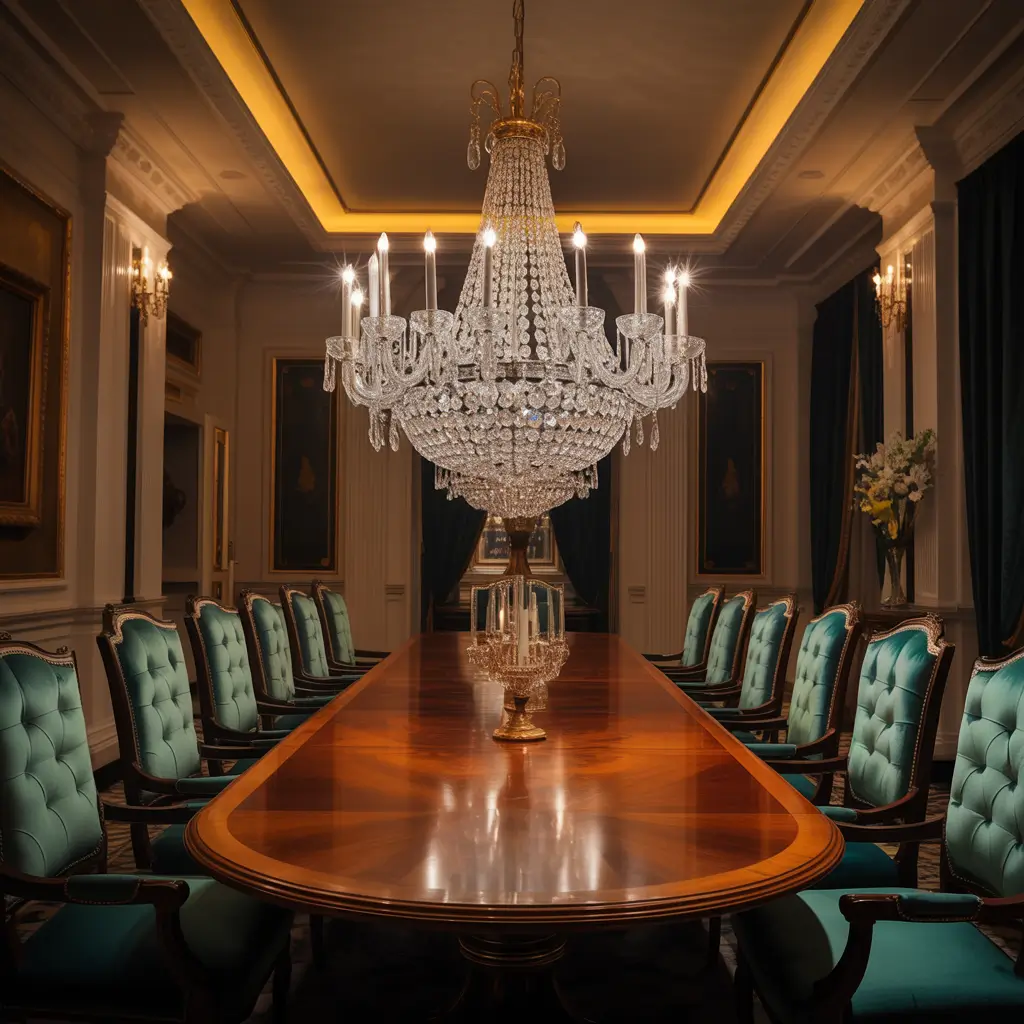
Let’s be real—sometimes you just need a show-stopping chandelier, and everything else is secondary. When you build your dining room around spectacular overhead lighting, you create instant drama and elegance.
Your statement chandelier becomes jewelry for your room. It sets the tone, establishes the style, and gives people something to talk about when conversation lags. Go big or go home, as they say.
Chandelier styles to consider:
- Traditional crystal for timeless glamour
- Modern geometric for contemporary edge
- Rustic wood and iron for organic elegance
- Sputnik or atomic designs for mid-century vibes
- Art Deco geometric for vintage sophistication
- Oversized drum shades for softened modern looks
- Vintage or antique fixtures for collected character
The sizing matters tremendously here. Too small looks like you didn’t commit. Too large overwhelms the space. The general rule suggests your chandelier diameter should equal about half to two-thirds of your table width. But honestly? If you’re going for statement, err on the larger side.
I’ll never forget the first time I saw a friend’s new dining chandelier—this massive brass and glass Sputnik fixture that dominated her entire room. She’d kept everything else simple: white walls, light wood table, simple chairs. But that light? Absolutely unforgettable. People still talk about it at dinner parties.
Here’s what nobody tells you: statement chandeliers need breathing room. Keep your walls relatively neutral. Choose simple furniture silhouettes. Let other decorative elements stay understated. Your chandelier is the star—everything else is the supporting cast.
Also, consider dimmers. A statement chandelier at full brightness might be too intense for an intimate dinner. Being able to adjust the mood lighting is essential for a functional formal dining space.
Final Thoughts
Look, creating an elegant formal dining room isn’t about following rules—it’s about understanding what makes you excited to gather people around a table. Whether you’re drawn to the opulence of Victorian excess, the clean lines of mid-century modern, or the drama of a killer chandelier, your dining room should reflect your personality while maintaining that timeless quality.
The real secret to timeless design? Choose what you love, invest in quality, and don’t chase trends. That solid wood table might cost more upfront, but you’ll still love it in twenty years. That bold wallpaper choice might feel risky, but if it makes you smile every time you walk into the room, it’s the right choice.
Your formal dining room doesn’t need to be a museum that nobody uses. It should be the best version of your style—polished, intentional, and absolutely ready for both Tuesday night takeout and your fanciest dinner party. Because ultimately, the most elegant dining rooms are the ones that get used, loved, and filled with laughter and good food.