

15 Charming Farmhouse Kitchen Backsplash Ideas You’ll Love

You know that feeling when you walk into a farmhouse kitchen and everything just feels… right? The warm, cozy vibes, the perfectly imperfect charm, the way every detail seems to whisper “come sit down and have some coffee”? Well, let me tell you—the backsplash is doing a lot of heavy lifting in that department. I spent way too many Saturday mornings scrolling through Pinterest, clutching my third cup of coffee, desperately trying to figure out how to nail that farmhouse aesthetic in my own kitchen. And honestly? The backsplash became my obsession.
Here’s the thing: your backsplash isn’t just some afterthought you slap up behind the stove to catch spaghetti sauce splatters (though it definitely does that). It’s actually the star player that ties your whole kitchen together. Whether you’re going full rustic country or just want a touch of that cozy farmhouse feel, picking the right backsplash can make or break your vibe.
So grab your coffee (or wine—no judgment here), and let’s talk about 15 backsplash ideas that’ll transform your kitchen into the farmhouse dream you’ve been pinning for years.
Classic White Subway Tile
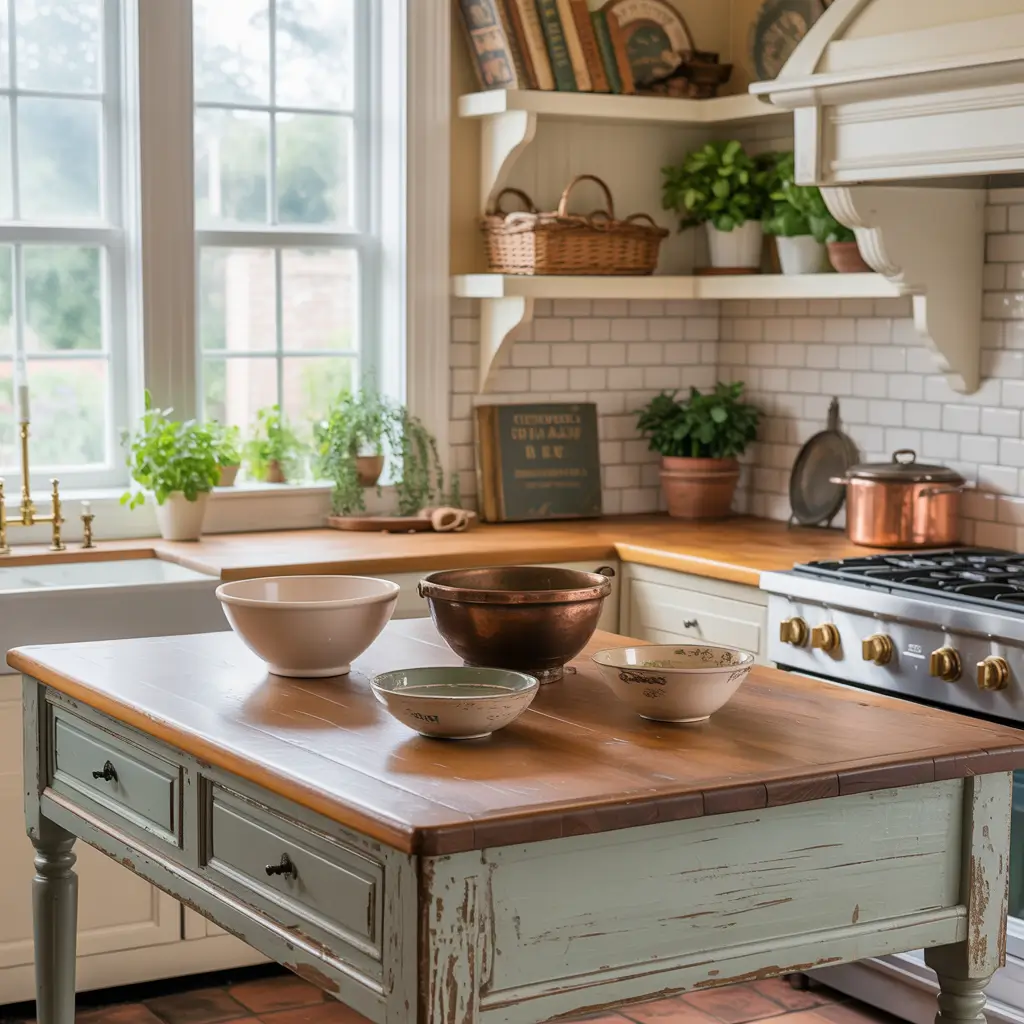
Let me start with the one that started it all—classic white subway tile. Yeah, I know what you’re thinking: “Really? That’s so basic.” But hear me out! There’s a reason this style has stuck around since literally the early 1900s.
White subway tile brings that clean, timeless look that screams farmhouse without trying too hard. I went with this in my first kitchen renovation, and let me tell you, it was the smartest decision I made (unlike choosing that weird avocado-colored paint for the dining room—but that’s another story). The beauty here is in its simplicity and versatility.
What makes subway tile work so well in farmhouse kitchens? It’s the perfect backdrop for everything else. Your vintage cutting boards pop against it. Your copper pots look stunning. Even your kid’s finger paintings (when magneted to the fridge nearby) somehow look more intentional. Plus, you can play with the grout color—dark grout gives you that trendy, defined look while white grout keeps things soft and cohesive.
The installation is relatively straightforward too, which your wallet will appreciate. You can find these tiles at pretty much any home improvement store, and they won’t require you to take out a second mortgage. Trust me, save that money for the fancy farmhouse sink you’ve been eyeing.
Rustic Wood Plank Backsplash
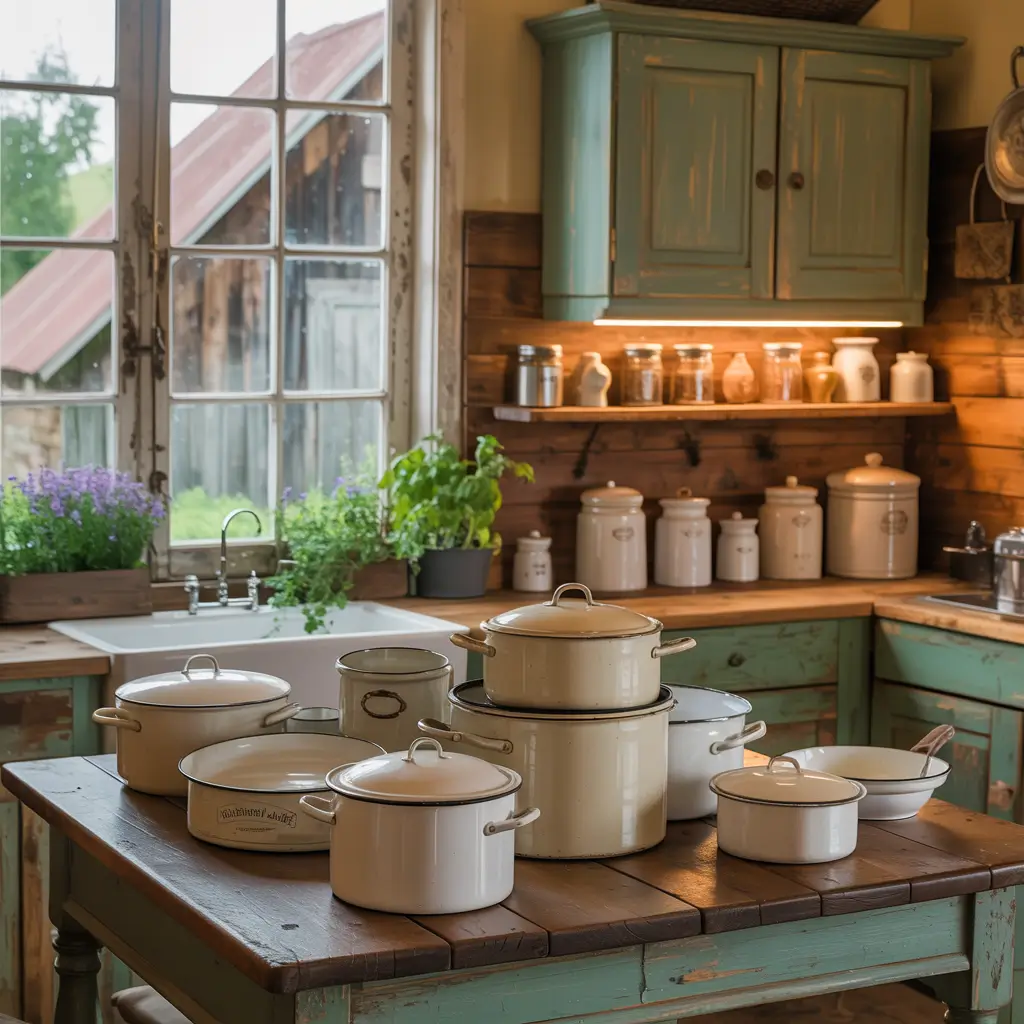
Okay, now we’re getting into the territory that makes my farmhouse-loving heart skip a beat. Wood plank backsplashes bring warmth and texture in a way that tile just can’t match.
I’ll be honest—when I first saw wood behind a stove, I panicked a little. Won’t it warp? Won’t it catch fire? Won’t it turn into a gross, greasy mess? Here’s the deal: you need to properly seal that wood. We’re talking multiple coats of a good polyurethane or specialized sealant that can handle heat and moisture. Don’t skip this step, or you’ll be dealing with a warped, stained nightmare that’ll have you crying into your Pinterest boards.
When done right though, wood planks create this incredible rustic warmth that instantly makes your kitchen feel like a country retreat. The natural grain patterns add visual interest without overwhelming the space. You can go with weathered gray for a more subtle look, or rich honey tones for that classic farmhouse feel.
Pro tip: Mix your plank widths for extra character. I’ve seen backsplashes with varying widths that look absolutely stunning—way more interesting than uniform planks. Just make sure you’re keeping those planks away from direct water contact near the sink. Wood is forgiving, but it’s not magical.
Herringbone Pattern Tile
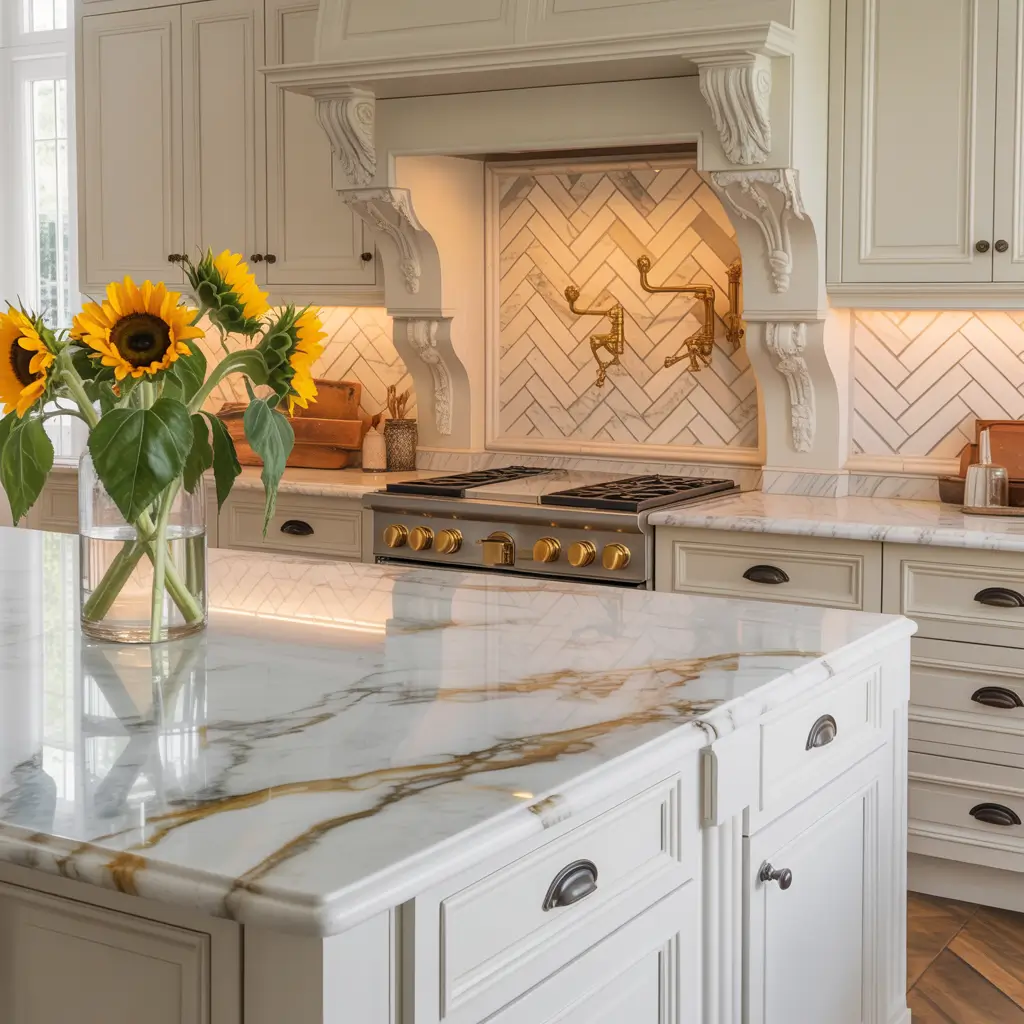
Ever wondered why herringbone patterns feel so much fancier than regular subway tile? It’s all about that angle, my friend.
Taking the same basic subway tile and laying it in a herringbone pattern instantly elevates your kitchen from “nice farmhouse” to “I-definitely-hired-a-designer farmhouse.” The zigzag pattern creates movement and visual interest that draws your eye across the entire wall. I remember standing in my sister’s kitchen, staring at her herringbone backsplash for an embarrassingly long time, trying to figure out why it looked so much better than my standard subway tile.
The catch? Installation costs more because it’s labor-intensive. Those 45-degree angles don’t cut themselves, and your tile person will probably charge you extra for the precision work. But IMO, the extra investment is worth it if you want that sophisticated farmhouse look.
You can use white tiles for a classic approach, or get creative with colored tiles—soft grays, sage greens, or even that trendy terracotta shade. The pattern itself provides enough interest that you don’t need crazy colors, but a subtle hue can add personality without going overboard.
Herringbone works beautifully in both large and small kitchens too. In smaller spaces, it adds visual interest without cluttering. In larger kitchens, it fills that wall space with pattern and texture that prevents things from feeling too stark.
Reclaimed Barn Wood Accent

Nothing says “authentic farmhouse” quite like actual barn wood on your walls. Reclaimed barn wood backsplashes bring history, character, and stories into your kitchen—even if those stories are completely made up by you.
I’ve got a soft spot for reclaimed materials. There’s something incredibly satisfying about giving old wood a new purpose, especially when that wood has weathered decades of farm life. The patina, the nail holes, the varying colors—all those “imperfections” are exactly what make this look so special.
Finding authentic reclaimed barn wood can be an adventure. Check out architectural salvage yards, local farms that are demolishing old buildings, or online marketplaces. Just be prepared to do some cleaning and prep work. Barn wood comes with dirt, possible critters (ugh), and definitely needs treatment before you install it in your kitchen.
Here’s what I love most: every installation is completely unique. You can’t replicate the exact color variations and weathering patterns, which means your kitchen becomes truly one-of-a-kind. Mix in some metal accents or industrial light fixtures, and you’ve got yourself a modern farmhouse masterpiece.
Fair warning though—reclaimed barn wood typically costs more than new wood or tile, and installation requires someone who knows what they’re doing. Those old boards can be warped, uneven, and generally cranky to work with. But the end result? Absolutely worth the hassle.
Also Read: 15 Elegant French Farmhouse Kitchen Ideas for Timeless Appeal
Vintage Patterned Ceramic Tile
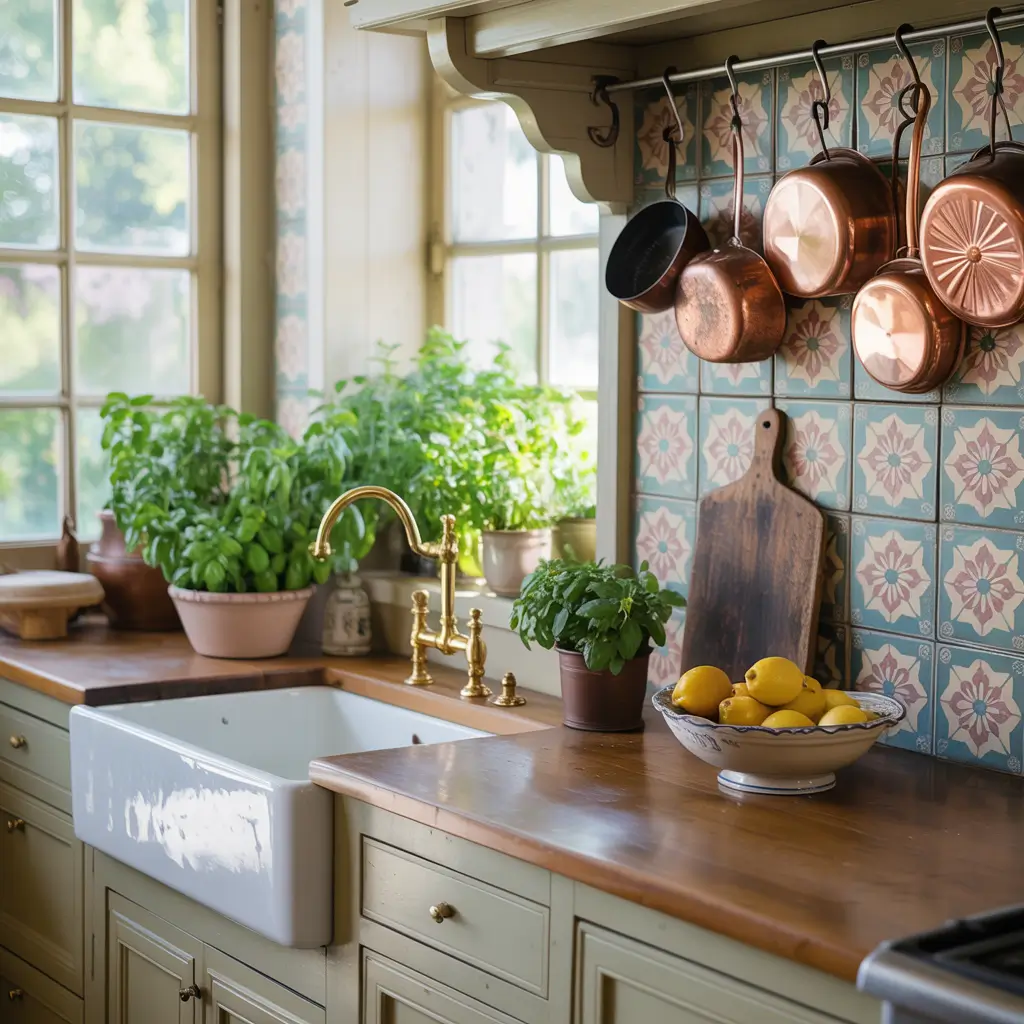
Ready to add some personality to your farmhouse kitchen? Vintage patterned ceramic tiles bring that perfect touch of whimsy and charm without going full shabby-chic overboard.
I’m talking about those gorgeous tiles with delicate floral patterns, geometric designs, or even hand-painted details that look like your grandmother’s favorite china plates. These tiles inject color and pattern into your kitchen while maintaining that nostalgic, farmhouse-y feeling.
The key here is balance. You don’t want your entire kitchen looking like a Victorian cottage exploded. Use patterned tiles as an accent—maybe just behind your stove, or in a small section behind open shelving. Let them be the jewelry of your kitchen, not the entire outfit.
You can find reproduction vintage tiles pretty easily now, but hunting for actual antique tiles at salvage shops or estate sales? That’s where the real magic happens. Just check that they’re food-safe and properly glazed if you’re using them in a kitchen environment.
Mix vintage patterned tiles with solid white or neutral tiles for a look that’s interesting but not overwhelming. I’ve seen gorgeous installations where every third row features the patterned tile, with solid tiles filling in the rest. The pattern peeks through just enough to add charm without causing visual chaos.
Shiplap Wall Backsplash
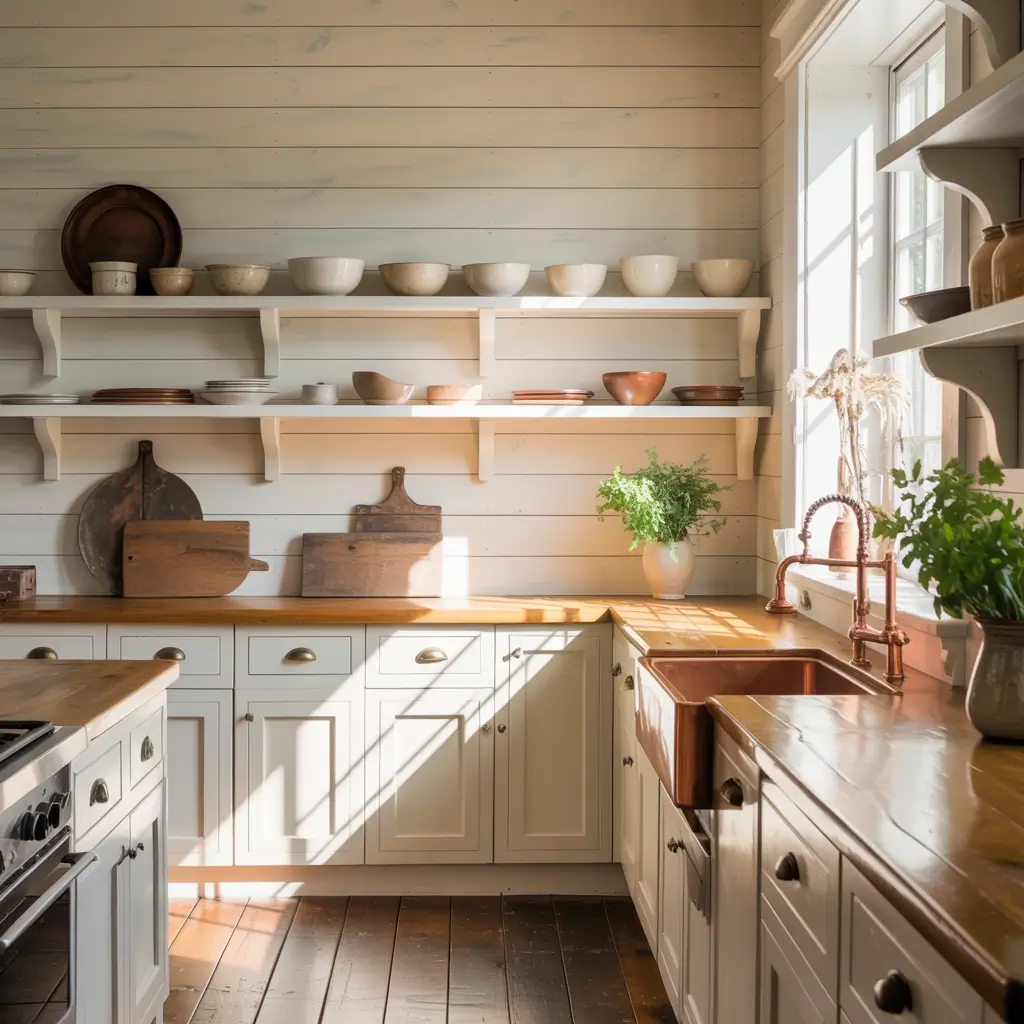
Shiplap isn’t going anywhere, folks, so we might as well embrace it. Shiplap backsplashes bring that Fixer Upper magic into your kitchen, and honestly, I’m not mad about it.
The horizontal lines of shiplap create a sense of width in your kitchen, which is particularly great for smaller spaces. The subtle shadow lines between each board add texture and dimension without needing any pattern or color variation. Just clean, simple, farmhouse perfection.
You’ve got options here: real wood shiplap, MDF shiplap, or even those peel-and-stick options (which I have opinions about, but we’ll get there). Real wood gives you the most authentic look and feel, but costs more and requires that crucial sealing step we talked about earlier. MDF is budget-friendly and stable, but you need to be extra careful about moisture protection.
Now, about those peel-and-stick versions—they’re fine for renters or commitment-phobes, but they don’t have the same depth and authenticity as real shiplap. The shadow lines are printed on rather than actual grooves, and up close, you can tell. But if you’re on a tight budget or planning to move soon, they’ll get you that shiplap look without the full investment.
Paint your shiplap white or cream for classic farmhouse, or go bold with sage green or even black for a modern twist. The beauty of shiplap is that it works with pretty much any color palette you’re rocking.
Whitewashed Brick Backsplash
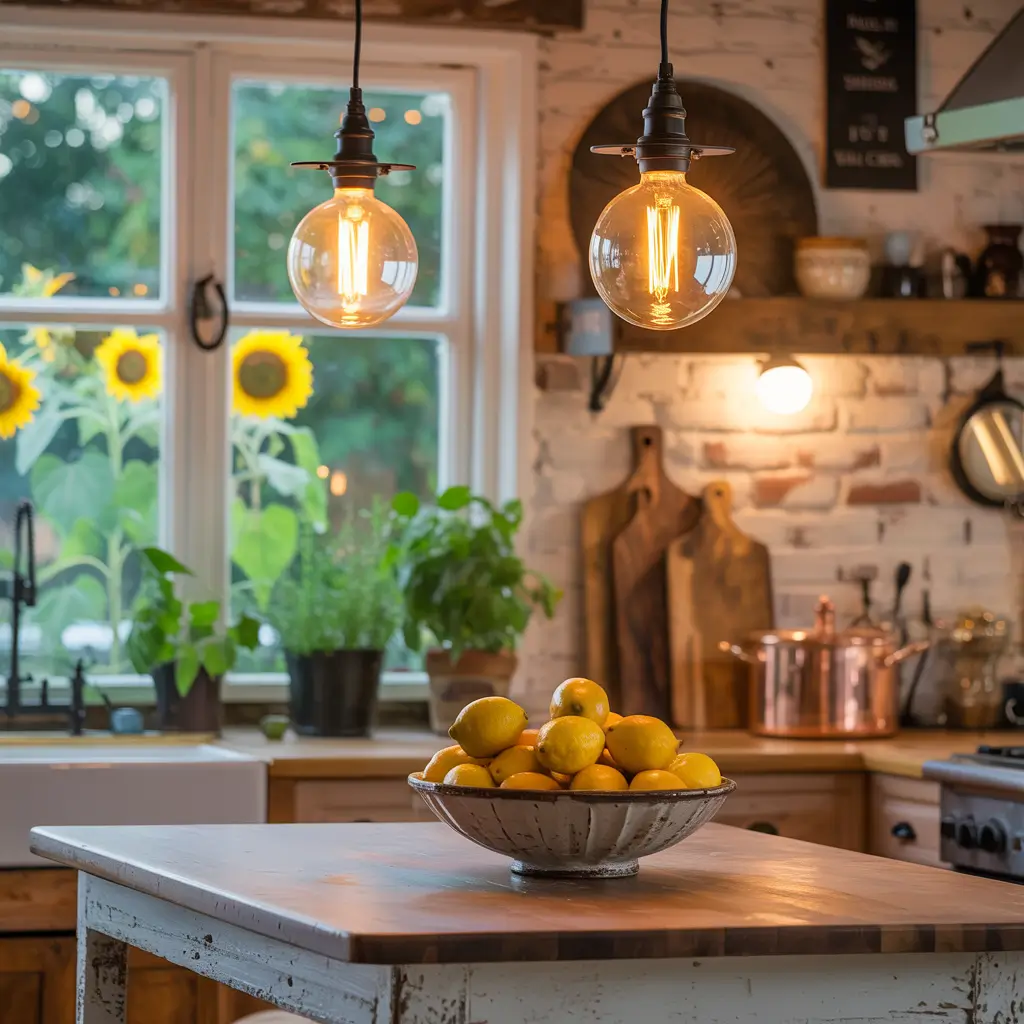
Exposed brick screams industrial, but whitewashed brick? That’s farmhouse gold, my friend.
There’s something magical about the texture of brick softened by a whitewash treatment. You get all the character and dimension of brick without it feeling too heavy or dark. The whitewash lets the brick texture peek through while brightening up your kitchen and making it feel more open and airy.
If you’re lucky enough to have existing brick behind your walls (hello, old houses!), exposing and whitewashing it is a relatively affordable way to add massive character. If you’re not that lucky, brick veneer or thin brick tiles can give you a similar look. I won’t lie though—real brick just hits different.
The whitewashing process itself is actually pretty fun (and by fun, I mean messy but satisfying). You mix paint with water to create a translucent wash that you brush onto the brick, then wipe off to your desired opacity. More wipe-off means more brick shows through; less wipe-off gives you a more opaque white look. You control the exact vibe you’re going for.
This backsplash style pairs beautifully with butcher block countertops, open shelving, and those trendy black fixtures everyone’s installing. The texture plays nicely with smooth surfaces, creating that layered, collected-over-time look that farmhouse kitchens do so well.
Beadboard Panel Backsplash
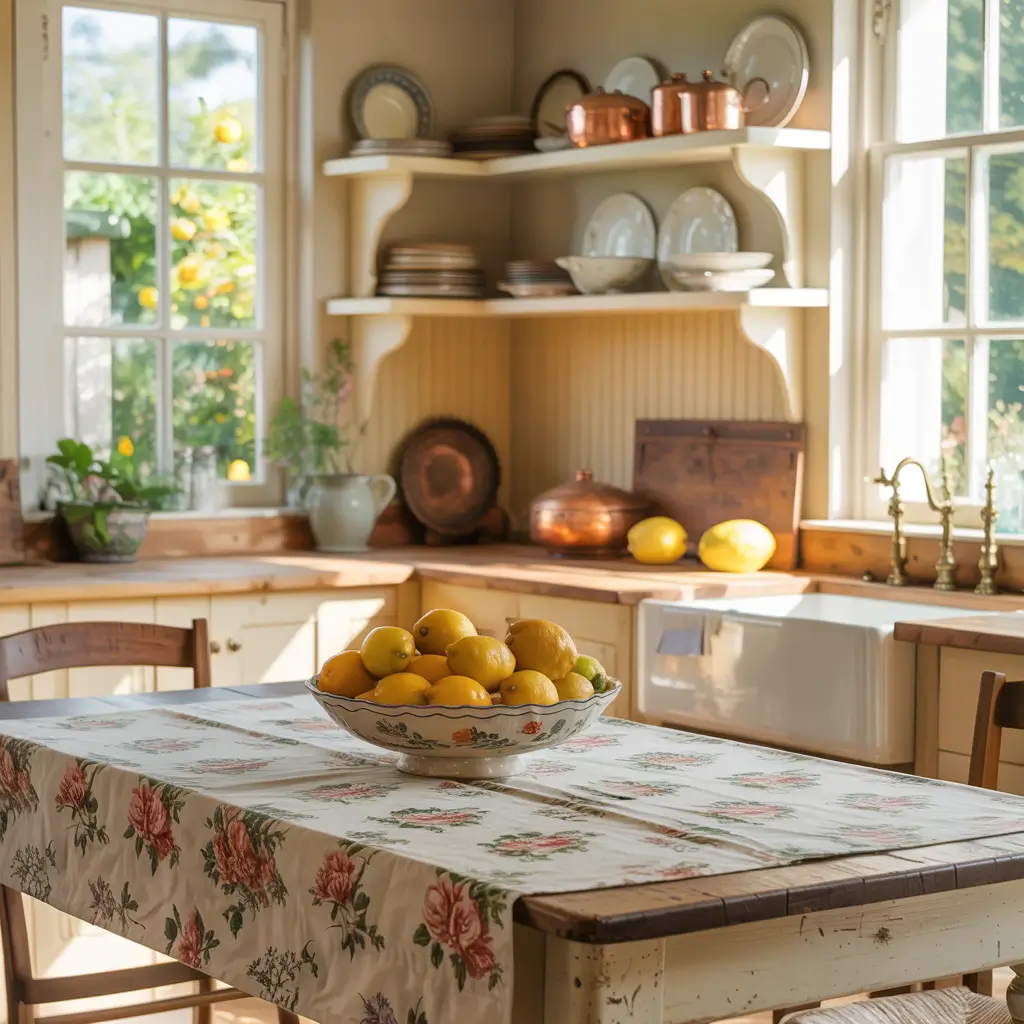
Let’s talk about beadboard—the farmhouse staple that’s been making kitchens look charming since your great-grandmother’s time.
Beadboard brings that cottage-y, country charm with its distinctive vertical grooves and clean lines. I love how it adds texture without being fussy or complicated. Plus, installation is relatively straightforward, especially if you buy beadboard in panel form rather than individual planks. Your local hardware store probably has it in stock right now.
The vertical lines of beadboard create an illusion of height, which is fantastic if you’ve got a kitchen with lower ceilings (looking at you, 1950s ranch houses). Paint it white for maximum farmhouse charm, or go with a soft blue or sage green for a more colorful cottage vibe.
Here’s a styling trick I picked up: pair beadboard backsplash with a small shelf or plate rail running along the top. This gives you a perfect spot to display vintage dishes, small plants, or those decorative items that make your kitchen feel lived-in and loved.
One word of caution—all those grooves can collect grease and grime if you’re not careful. Make sure you seal your beadboard properly, and be prepared to give it regular cleaning attention. A good degreaser and a brush for getting into those grooves will become your best friends. But honestly, the charm factor makes the extra cleaning totally worth it 🙂
Hexagon Marble Tile
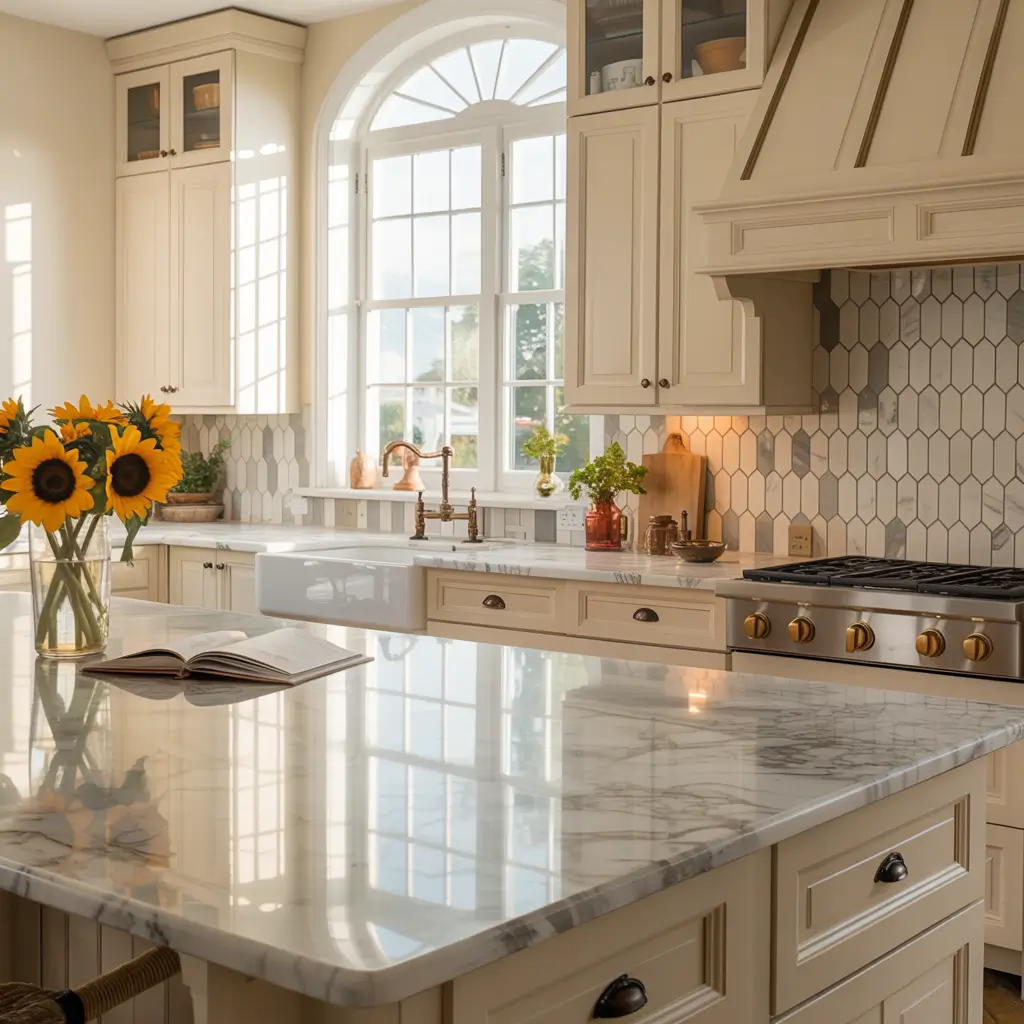
Want to add a touch of elegance to your farmhouse kitchen without losing that cozy vibe? Hexagon marble tiles are your answer.
I know what you’re thinking—marble sounds expensive and high-maintenance. And yeah, you’re not wrong. But hear me out! The natural veining in marble adds organic movement and visual interest that you just can’t get from manufactured tiles. Each tile is unique, creating a backsplash that’s essentially a work of art.
The hexagon shape brings geometric interest while still feeling softer than squares. There’s something about those six-sided beauties that feels both classic and contemporary at the same time. Smaller hexagons create a more intricate, detailed look, while larger ones make a bold, modern statement.
Carrara marble is the most common and affordable option, with its soft white background and gray veining. It’s been used in beautiful homes for centuries, and it’s not going out of style anytime soon. If Carrara feels too formal, consider marble with more dramatic veining or even marble with warmer tones.
Now, the maintenance reality check: Marble is porous and can stain, especially from acidic substances like tomato sauce or lemon juice. You’ll need to seal it regularly and clean up spills quickly. But if you’re okay with marble developing a patina over time (which I actually find beautiful and authentic), then this material can work wonderfully in a busy farmhouse kitchen.
Also Read: 15 Stunning Italian Farmhouse Kitchen Ideas with Rustic Vibes
Black Matte Subway Tile
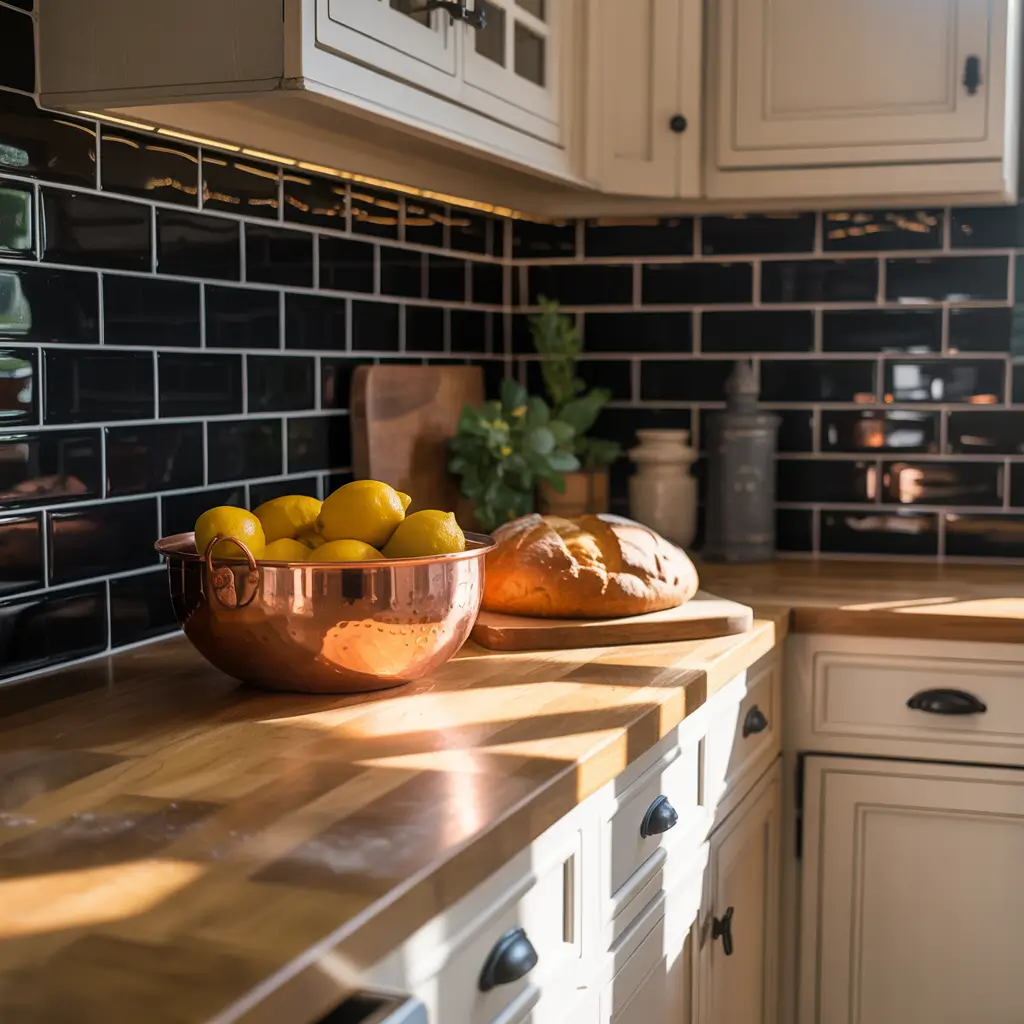
Plot twist! Not all farmhouse kitchens need to be white and light. Black matte subway tile brings drama and sophistication while still maintaining that farmhouse charm.
I was skeptical about black in a farmhouse kitchen until I saw it done right. The key is balance—black backsplash with white or light-colored cabinets, brass or gold fixtures, and plenty of natural wood tones. The contrast is stunning and creates a modern farmhouse look that feels fresh and current.
The matte finish is crucial here. Glossy black tile can feel too formal or contemporary, but matte black has this soft, velvety quality that works beautifully with rustic elements. It also doesn’t show fingerprints and water spots as easily as glossy finishes, which is a practical bonus.
Black subway tile paired with white grout creates bold definition, while black grout gives you a sleeker, more monochromatic look. I’ve seen both done well, so it really comes down to your personal preference and the overall vibe you’re going for.
This choice works particularly well if you’re going for that modern farmhouse aesthetic—you know, the one that mixes traditional farmhouse elements with contemporary design. Add some open shelving with white dishes, install some statement pendant lights, and boom—you’ve got yourself a kitchen that looks like it belongs in a magazine spread.
Farmhouse Tile with Open Shelves
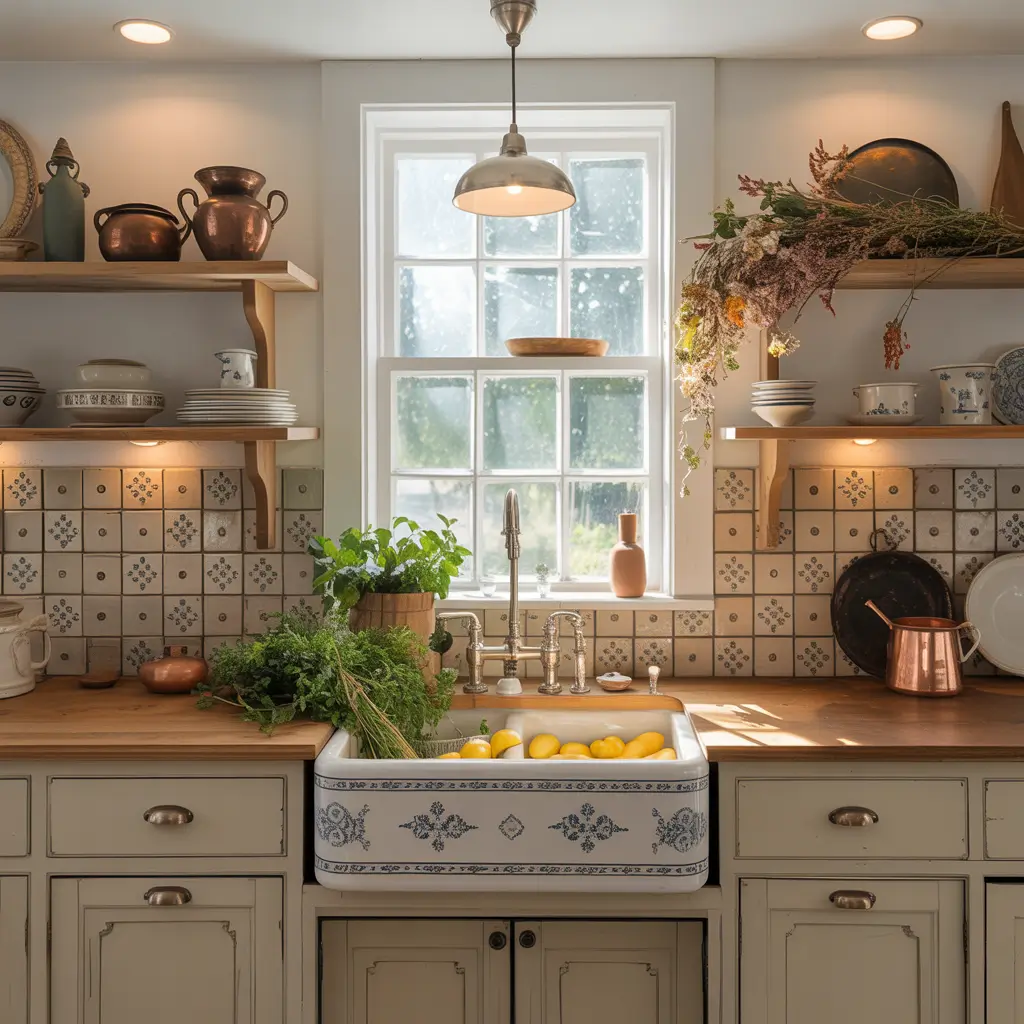
Okay, this one’s technically a combination, but pairing any farmhouse-style backsplash with open shelving deserves its own moment because it’s such a power couple.
Open shelving in front of your backsplash creates depth and dimension that you can’t achieve with a flat wall of tile alone. Your backsplash becomes a backdrop for your everyday dishes, vintage finds, and kitchen essentials. This layered look is quintessential farmhouse—collected, lived-in, and full of personality.
Here’s what makes this combination work so well: The shelving breaks up large expanses of backsplash, preventing it from overwhelming the space. Meanwhile, the backsplash provides a cohesive background that makes your shelving contents look more intentional and styled. They support each other like a good friendship should.
FYI, this approach works with pretty much any of the backsplash styles we’ve discussed—subway tile, shiplap, beadboard, whatever. The key is choosing shelving that complements your backsplash material. Wood shelves with white tile? Classic. Metal brackets with brick? Industrial farmhouse perfection.
One practical note: Open shelving means your dishes and items are exposed to cooking grease and dust, so you’ll either need to use them regularly or commit to more frequent cleaning. But if you’re displaying items you actually use (like your coffee mugs or everyday plates), this becomes less of an issue.
Mosaic Stone Backsplash
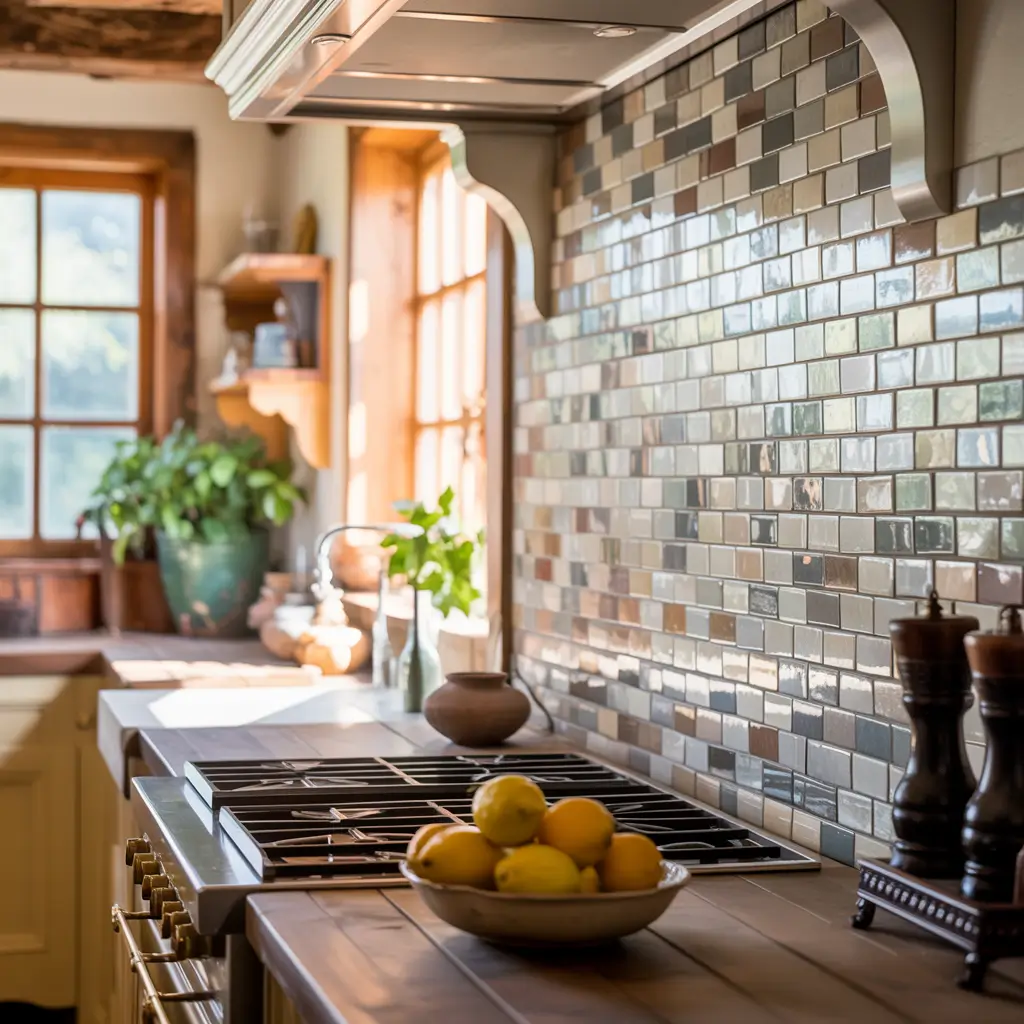
Ready for some texture? Mosaic stone backsplashes bring natural, earthy vibes that ground your farmhouse kitchen in organic beauty.
When I say mosaic stone, I’m talking about those small tiles made from natural stone—marble, slate, travertine, or mixed stone varieties. The varying colors and textures within the stone create visual interest without needing any pattern or color variation from you. Nature did the design work already.
These backsplashes feel collected and artisanal, like someone carefully selected each stone for your kitchen. The truth is they come on mesh backing sheets that make installation relatively straightforward, but nobody needs to know that. Your secret’s safe with me.
The natural color variations in stone mosaic tiles range from soft whites and creams to grays, tans, and even touches of rust or green. This color palette plays perfectly with farmhouse elements like wood countertops, vintage hardware, and traditional cabinetry. Plus, the earth tones hide small stains or imperfections way better than solid white tile.
Stone does require sealing to protect against stains and moisture, especially in areas near your sink or stove. But once sealed, it’s actually pretty low-maintenance and extremely durable. This is a backsplash that’ll last for decades and age beautifully—exactly the kind of lasting quality that farmhouse design celebrates.
Patterned Cement Tile
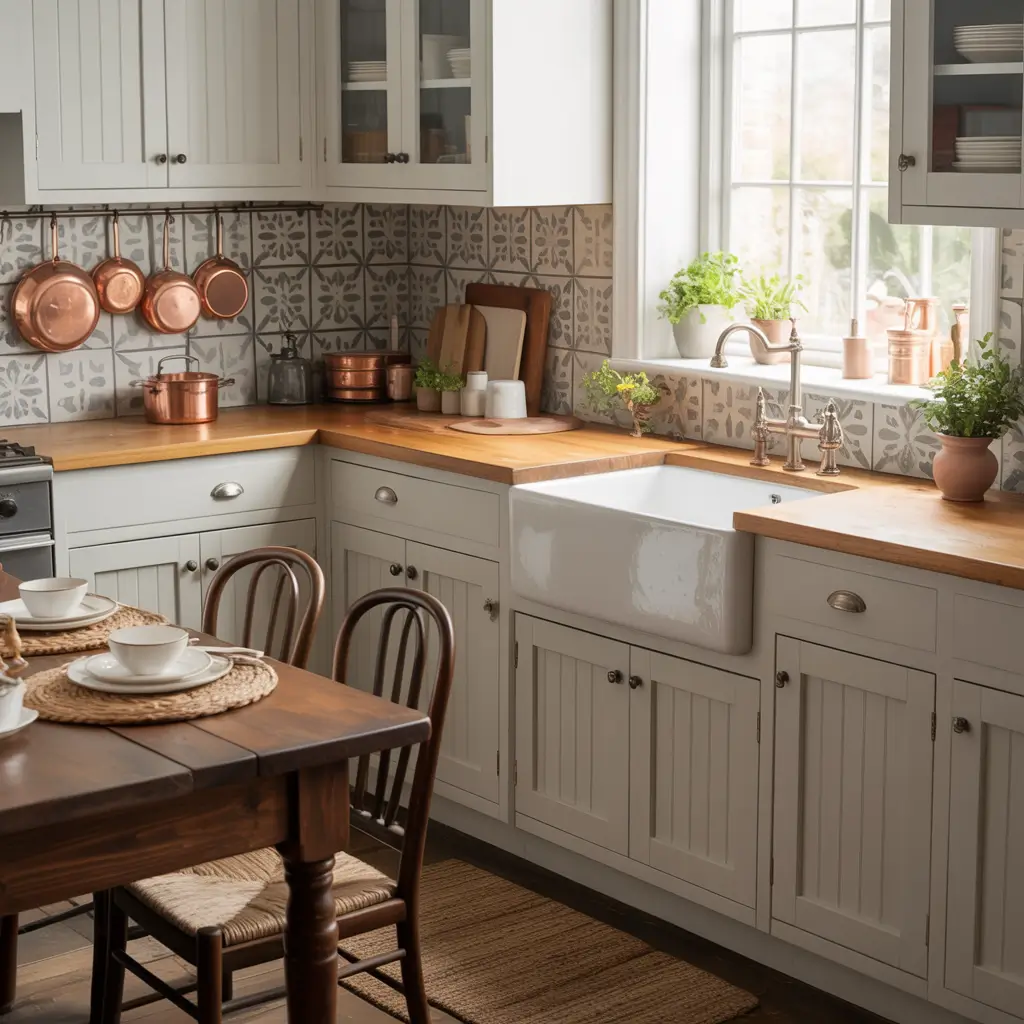
If you want to make a statement, patterned cement tiles are here to deliver. These bold, graphic tiles bring color and pattern in a way that’s unexpected for farmhouse style, but absolutely works when done right.
Cement tiles (also called encaustic tiles) feature patterns that go all the way through the tile, not just on the surface. This means they wear beautifully over time, developing character rather than looking damaged. The handcrafted quality of cement tiles aligns perfectly with farmhouse values of authenticity and craftsmanship.
Now, I’m not suggesting you cover your entire backsplash in super busy patterns. That’s a headache waiting to happen. Instead, use patterned cement tiles as accents—maybe a strip behind your stove, or interspersed with solid-colored tiles in a checkerboard pattern. This gives you the visual interest and personality without overwhelming your space.
Color-wise, stick with patterns that incorporate farmhouse-friendly hues: blues, greens, grays, and whites. Save the hot pink and electric yellow patterns for someone else’s Pinterest board. You want your pattern to feel collected and intentional, not like a party supply store exploded in your kitchen.
Cement tiles are porous and require sealing, plus they’re more expensive than ceramic tiles. But the unique, artisanal look they bring is hard to replicate with any other material. If you want your farmhouse kitchen to have serious personality, this is your move.
Copper or Metal Accent Backsplash
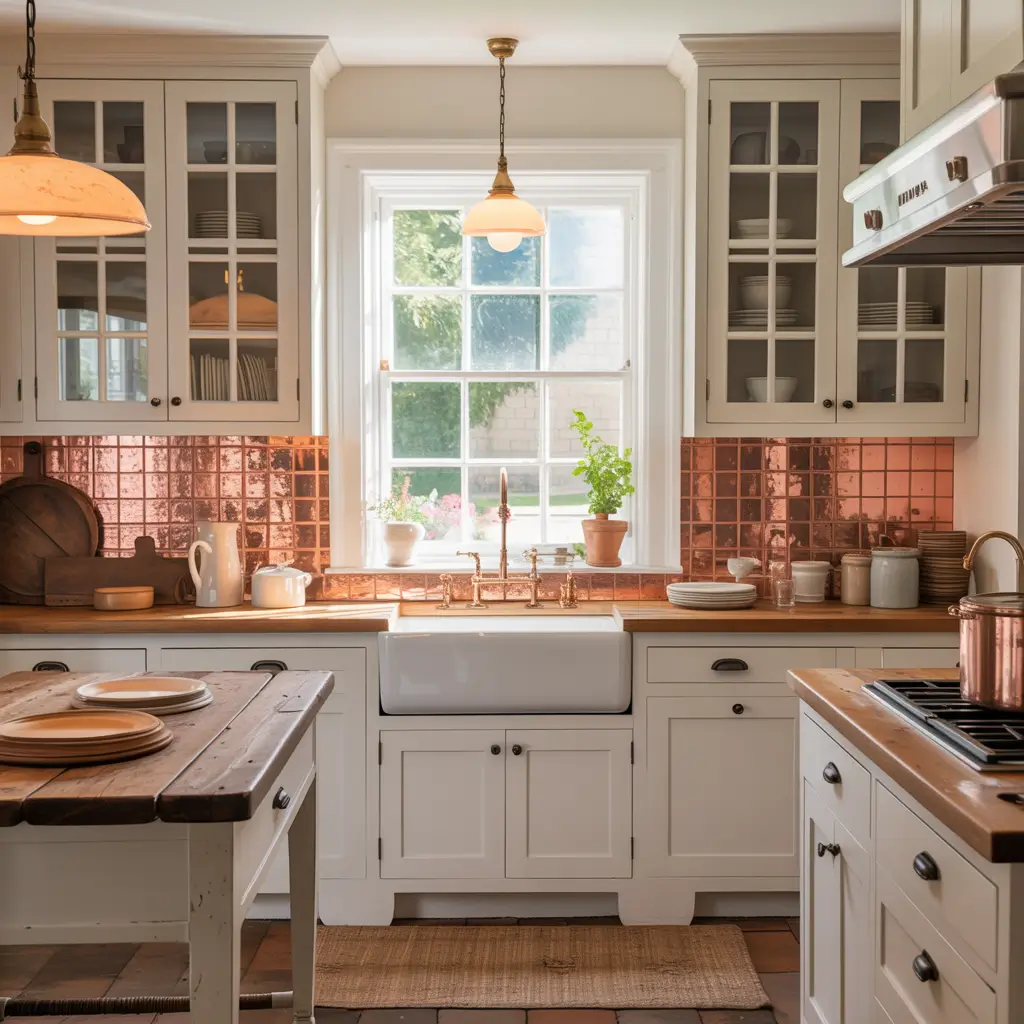
Let’s talk about bringing some shine into your farmhouse kitchen with copper or metal accent backsplashes.
Copper develops the most gorgeous patina over time, aging from bright and shiny to rich, warm tones with character for days. This natural aging process is perfect for farmhouse style, which celebrates the beauty of things that improve with age. Your backsplash literally gets better the longer you have it—how cool is that?
You don’t need to cover your entire backsplash in copper (unless you really want to, in which case, you do you). Installing copper tiles or panels as an accent behind your stove or in a small section creates a focal point that draws the eye and adds warmth. The metallic surface catches and reflects light in a way that tile and wood simply can’t.
Other metal options include stainless steel for a more industrial farmhouse vibe, or tin ceiling tiles for vintage charm. Those pressed tin tiles with their decorative patterns bring old-world character and actually work surprisingly well in farmhouse kitchens. I’ve seen them painted white for a subtle texture play, or left in their natural silver for more impact.
Fair warning: Metal backsplashes show fingerprints and water spots like nobody’s business. If you’re a clean-as-you-go person, you’ll be fine. If you’re more of a “I’ll clean it eventually” person (no judgment—we’ve all been there), maybe reconsider or stick to small accent areas where smudges are less noticeable.
Painted Chalkboard Backsplash
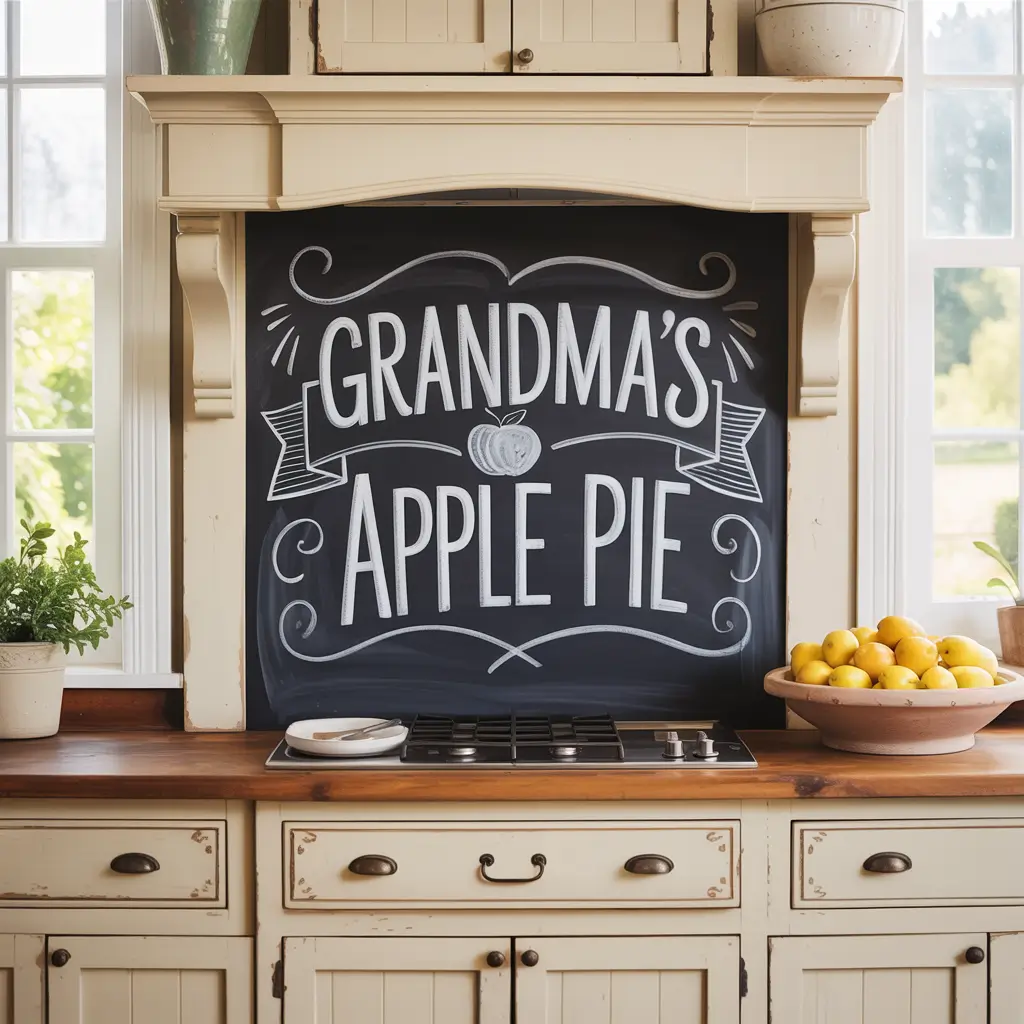
Okay, this last one is a bit quirky, but hear me out—chalkboard paint backsplashes bring function and fun to your farmhouse kitchen.
Imagine being able to write your grocery list, leave notes for family members, or sketch out meal plans directly on your backsplash. It’s practical and playful at the same time. Plus, you can change up the “design” whenever you want by drawing seasonal decorations, quotes, or doodles. Your backsplash literally never gets boring.
I’ll admit this isn’t for everyone. If you’re more of a minimalist or you hate the look of chalk dust, this probably isn’t your jam. But for families with kids who love to draw, or people who genuinely use chalkboards for organization, this can be a surprisingly functional choice.
The key to making chalkboard backsplash work in a farmhouse kitchen is keeping the surrounding elements classic and simple. Clean white cabinets, wood countertops, and traditional hardware let the chalkboard wall be the quirky element without the whole kitchen feeling gimmicky.
Use high-quality chalkboard paint and apply multiple coats for a surface that actually works well. Cheap chalkboard paint can be streaky and difficult to write on, which defeats the entire purpose. Seal the edges properly so moisture doesn’t seep behind the paint and cause problems.
And yes, you’ll need to clean it more often than regular tile, and chalk dust is a reality you’ll live with. But if you love the idea of a truly interactive kitchen element, this unconventional choice might just be perfect for you.
Conclusion
So there you have it—15 ways to transform your kitchen backsplash from boring to absolutely charming. Whether you’re drawn to the classic simplicity of white subway tile, the rustic warmth of reclaimed wood, or the bold statement of black matte tile, there’s a farmhouse backsplash style that fits your personality and your space.
The beautiful thing about farmhouse design is that it’s inherently flexible and forgiving. You can mix elements, combine styles, and create something uniquely yours. Want shiplap with a copper accent? Go for it. Thinking about pairing patterned cement tiles with open shelving? That could be stunning. Trust your instincts and create a kitchen that makes you happy every time you walk into it.
Remember, your backsplash is one of those elements you’ll see every single day, so pick something you genuinely love—not just what’s trending on Instagram this month. Trends come and go, but a well-designed farmhouse kitchen with a backsplash that speaks to you? That never goes out of style.