

15 Creative Green Dining Room Ideas with Trendy Vibes
Look, I get it. You want a dining room that doesn’t scream “boring beige box,” but you’re also not ready to commit to something as bold as hot pink or electric blue. Green? Now that’s the sweet spot. It’s calming, sophisticated, and works with pretty much everything if you know what you’re doing. I’ve spent way too many hours scrolling through design Instagram (my guilty pleasure, don’t judge), and let me tell you—green dining rooms are having a serious moment right now. Whether you’re into that minimalist vibe or you want full-on maximalist drama, there’s a shade of green waiting to transform your dining space. So grab your coffee, get comfy, and let’s talk about 15 creative ways to bring green into your dining room without making it look like a leprechaun threw up in there.
Sage Green Minimalist Dining Room
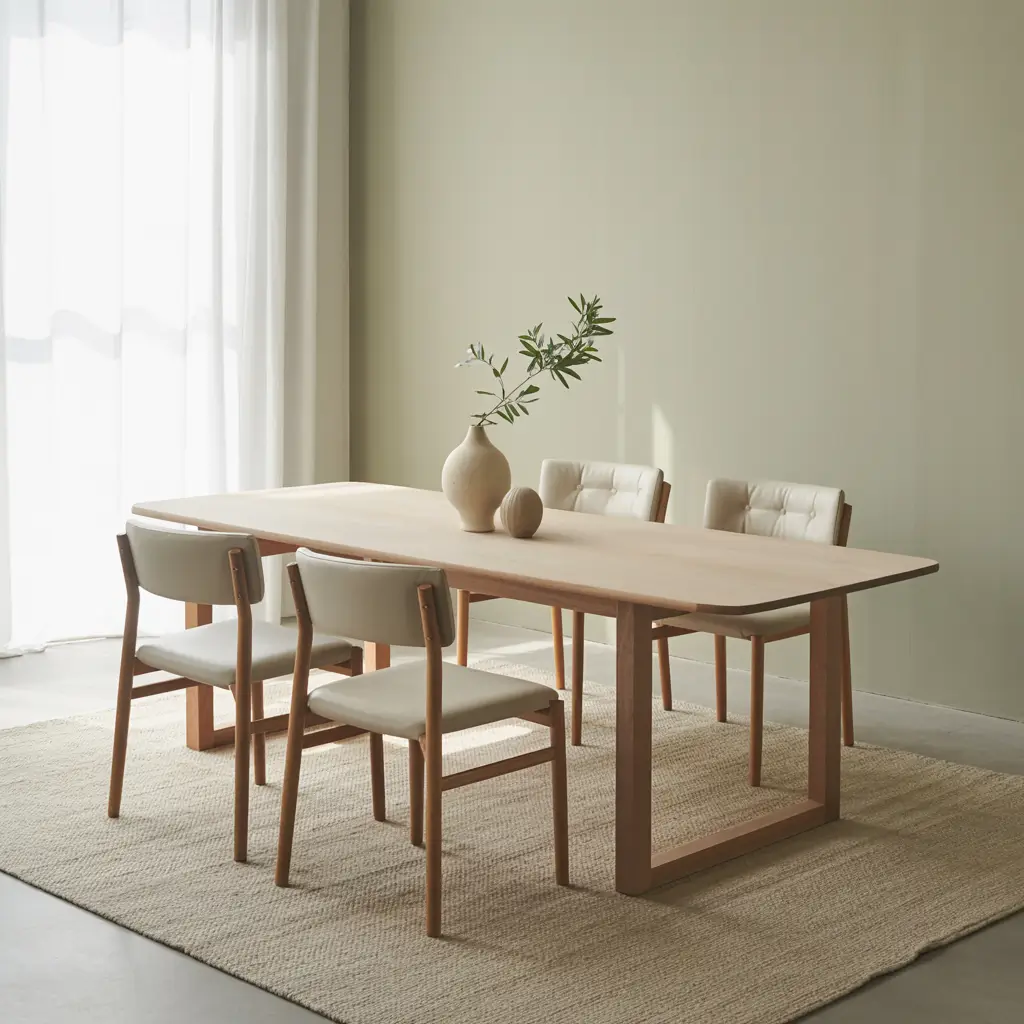
Sage green is basically the introverted cousin of the green family—subtle, calming, and effortlessly chic. When you pair it with minimalist design principles, you create a dining space that feels like a breath of fresh air (literally and figuratively).
I’m obsessed with sage green walls combined with clean-lined furniture. Think a simple Scandinavian-style dining table in light oak or white, paired with sleek chairs that don’t overthink things. The beauty here is in the restraint. You don’t need to go crazy with decorations when the wall color is doing all the heavy lifting.
Here’s what makes this work so well:
- Sage green paint on all four walls creates a cocoon effect without feeling claustrophobic
- White or cream trim keeps everything feeling fresh and airy
- Minimal artwork—maybe one statement piece or a simple mirror
- Natural textures like linen curtains or a jute rug add warmth without clutter
One thing I learned the hard way? Sage green looks completely different in natural light versus artificial light. Test your paint samples at different times of day before committing. Trust me on this one—I once painted a whole room only to realize it looked like hospital scrubs under my evening lights. Not cute :/
The minimalist approach means every single piece in your dining room needs to earn its place. That random knick-knack Aunt Susan gave you? This isn’t its home. Keep surfaces clear, stick to a simple color palette of whites, creams, and natural woods, and let the sage green be your star player.
Olive Green Rustic Farmhouse Dining
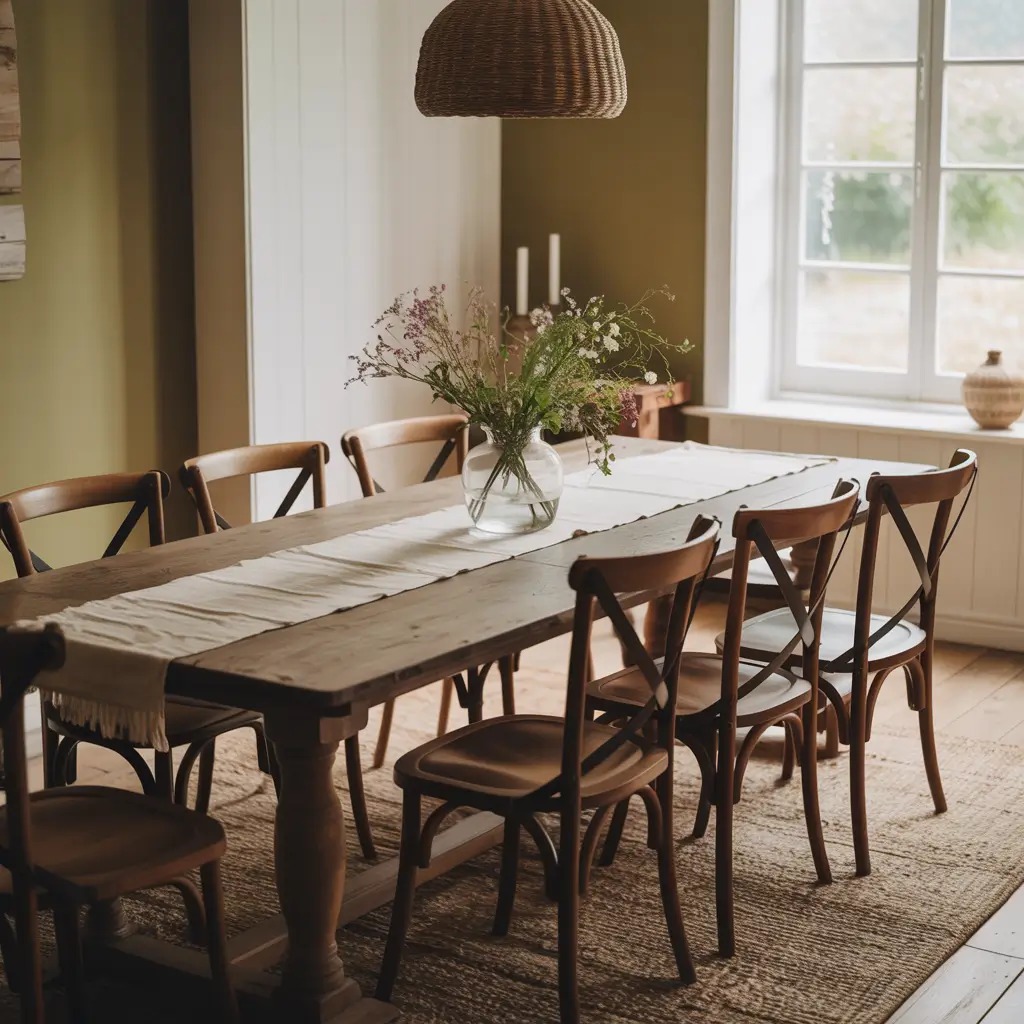
Olive green has this earthy, grounded quality that pairs beautifully with rustic farmhouse aesthetics. It’s warmer than sage but not as in-your-face as emerald, making it perfect for creating that cozy, gather-round-the-table vibe.
Picture this: olive green shiplap or beadboard on the lower half of your walls, paired with a chunky reclaimed wood dining table. Add some vintage-inspired metal chairs (bonus points if they’re slightly mismatched), and you’ve got yourself a space that looks like it belongs in a countryside cottage—even if you’re in a city apartment.
The farmhouse style is all about mixing old and new, rough and refined. Here’s my go-to formula:
- Exposed wood beams or faux beams if you’re working with a modern ceiling
- Olive green cabinetry if you have a built-in hutch or buffet
- Mason jar lighting or wrought iron chandeliers
- Open shelving displaying white dishes and vintage glassware
- Fresh or dried flowers in rustic containers (galvanized buckets, anyone?)
FYI, the trick to nailing farmhouse style without it looking like a Cracker Barrel exploded is to keep things curated. You want cozy, not cluttered. Choose pieces with genuine character or history rather than buying everything new from the same “farmhouse collection” at one store.
I personally love adding olive green dining chairs to a natural wood table. It brings in color without overwhelming the space, and you can easily switch up your look with different table linens and centerpieces. Plus, olive green is surprisingly forgiving when it comes to stains and wear—something my less-than-graceful self appreciates during dinner parties.
Emerald Green Luxe Dining Space
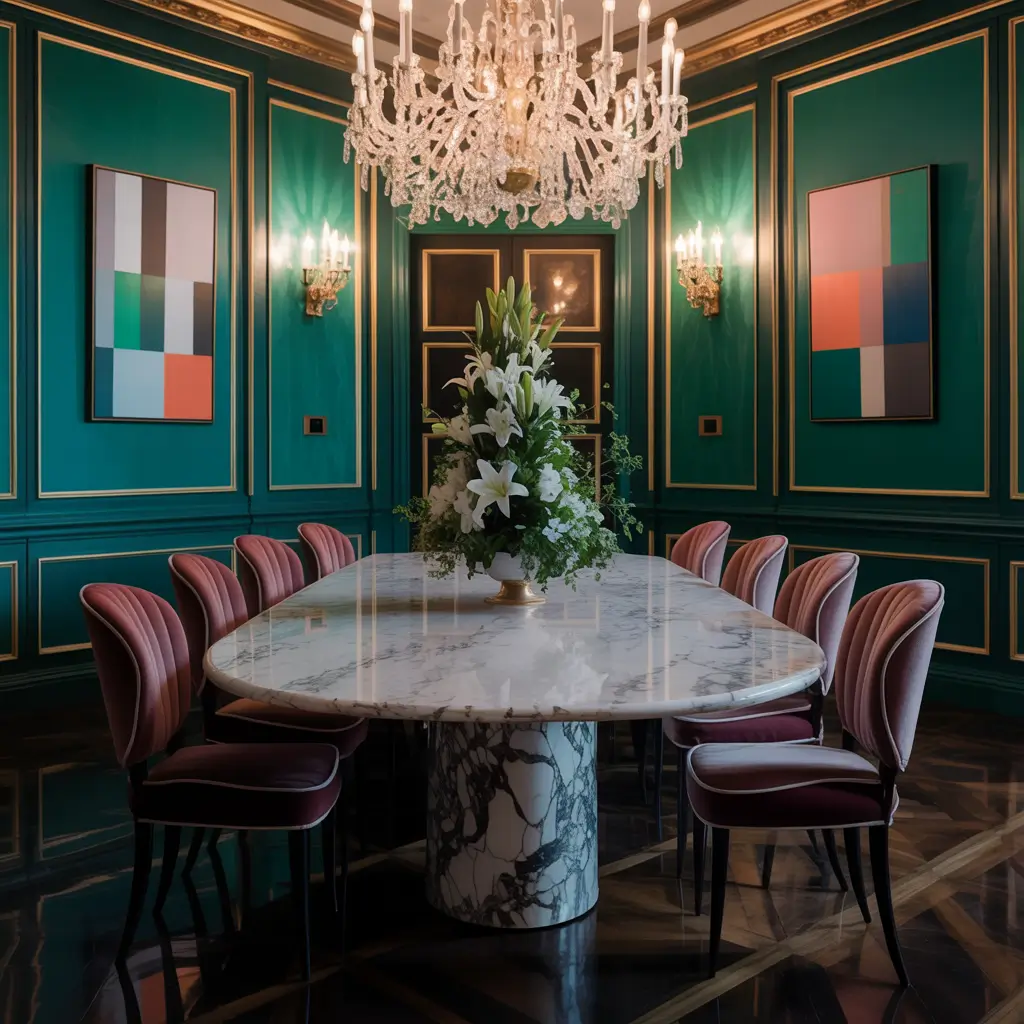
Want to feel fancy every time you sit down for dinner? Emerald green is your answer. This shade screams luxury, sophistication, and “yes, I absolutely have my life together” (even if you’re eating takeout on fine china).
Emerald green is bold and jewel-toned, so it needs to be balanced with equally luxurious materials. We’re talking velvet, brass, marble, and crystal. This isn’t the dining room for IKEA basics—this is where you splurge or at least fake it really convincingly.
Here’s how I’d create an emerald green luxe dining room:
- Emerald velvet dining chairs with brass or gold legs—absolute show-stoppers
- A statement chandelier in brass, gold, or even black with crystal accents
- Marble or glossy tabletop to reflect light and add elegance
- Emerald accent wall behind a bar cart or buffet table
- Metallic accents throughout (picture frames, candle holders, flatware)
The thing about emerald green is that it can handle drama. Layer in textures like silk table runners, velvet cushions, and even a plush area rug in complementary tones. Don’t be afraid to mix emerald with other jewel tones like sapphire blue or ruby red in your artwork or accessories.
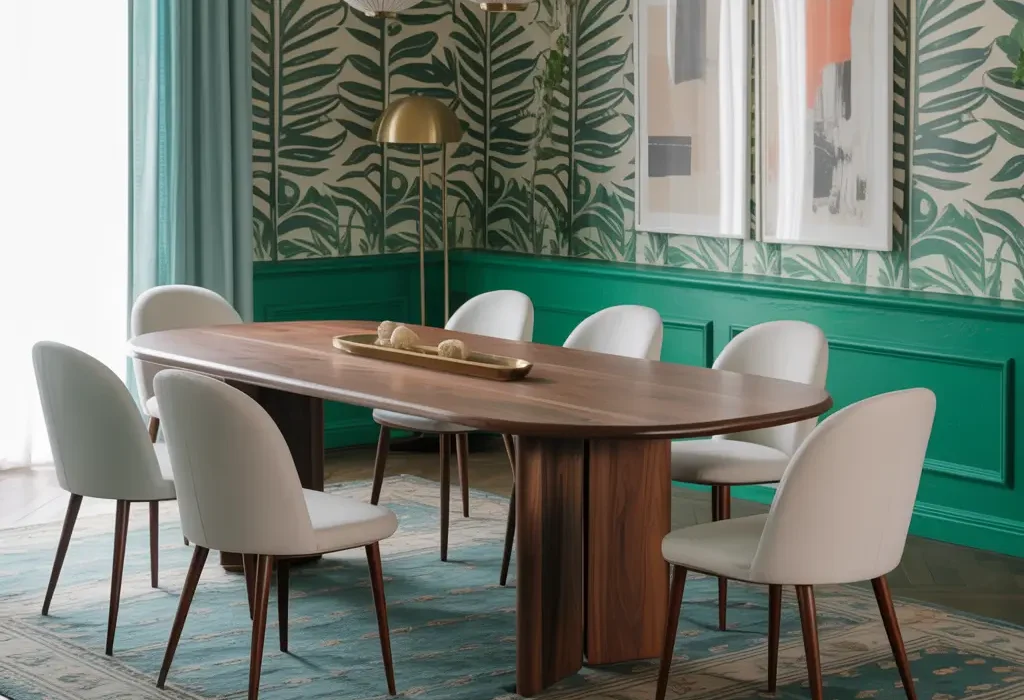
One of my favorite tricks? Emerald green wallpaper with a subtle pattern—maybe a damask or geometric design. It adds depth and interest without needing a ton of wall art. Pair it with a crystal chandelier, and you’ve basically created a dining room that belongs in a boutique hotel.
IMO, emerald green works best in dining rooms with good natural light or excellent artificial lighting. It’s a rich, saturated color that can feel heavy in a dark space, so invest in layered lighting—ambient, task, and accent—to keep things feeling sophisticated rather than cave-like.
Dark Forest Green Moody Dining Room
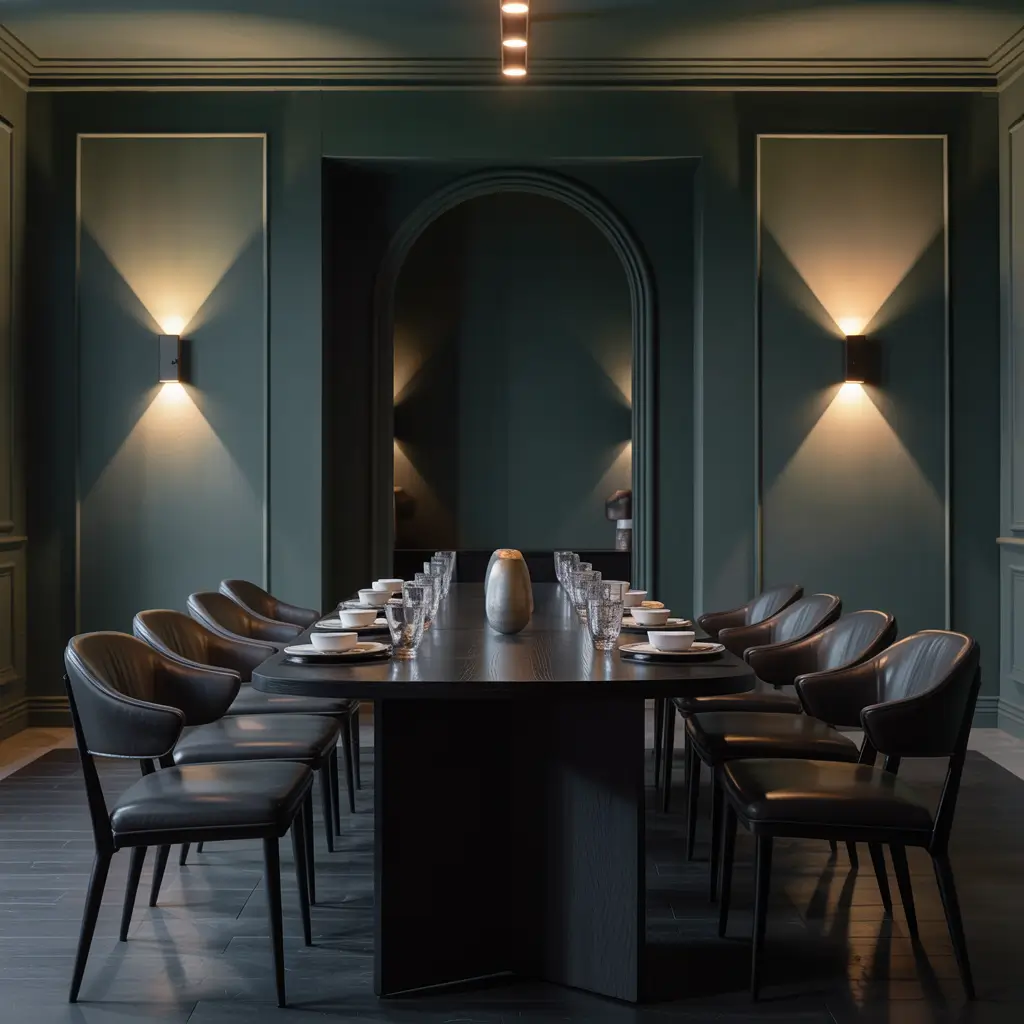
Okay, this one’s for my fellow moody aesthetic lovers. Dark forest green creates an intimate, cocoon-like atmosphere that’s perfect for long dinner parties and deep conversations. It’s dramatic, it’s bold, and it’s definitely not for the commitment-phobes out there.
Forest green walls in a matte finish create depth and richness that lighter greens simply can’t achieve. This color absorbs light rather than reflecting it, which makes the space feel smaller and more intimate—in a good way. It’s like giving your dining room a warm hug.
Here’s what I recommend for pulling off the moody forest green look:
- All walls in deep forest green—go big or go home
- Dark wood furniture in walnut or mahogany tones
- Black or dark metal accents in lighting fixtures and hardware
- Leather seating for added texture and sophistication
- Moody artwork in dark frames—think landscapes, portraits, or abstract pieces
- Candlelight and warm-toned bulbs to prevent the space from feeling cold
The key to making dark rooms work is contrast and lighting. You need bright whites or metallics to break up all that darkness. White dishes displayed on open shelving, a cream-colored rug, or brass candlesticks all provide visual relief and keep the space from feeling like a black hole.
I’ve noticed that people either immediately love or immediately hate dark dining rooms—there’s not much middle ground. But here’s the thing: if you love entertaining in the evening, a dark forest green dining room creates the most incredible ambiance. Add some candles, dim the overhead lights, and suddenly you’re dining in a sophisticated restaurant rather than your suburban home.
One warning though—this look requires commitment to the mood. You can’t really do dark forest green walls with bright, cheerful artwork and expect it to work. Everything needs to lean into the moody, dramatic aesthetic. But if you’re willing to commit? Chef’s kiss 🙂
Also Read: 15 Creative Mid Century Modern Dining Room Ideas for Cozy Spaces
Soft Mint Green Coastal Dining
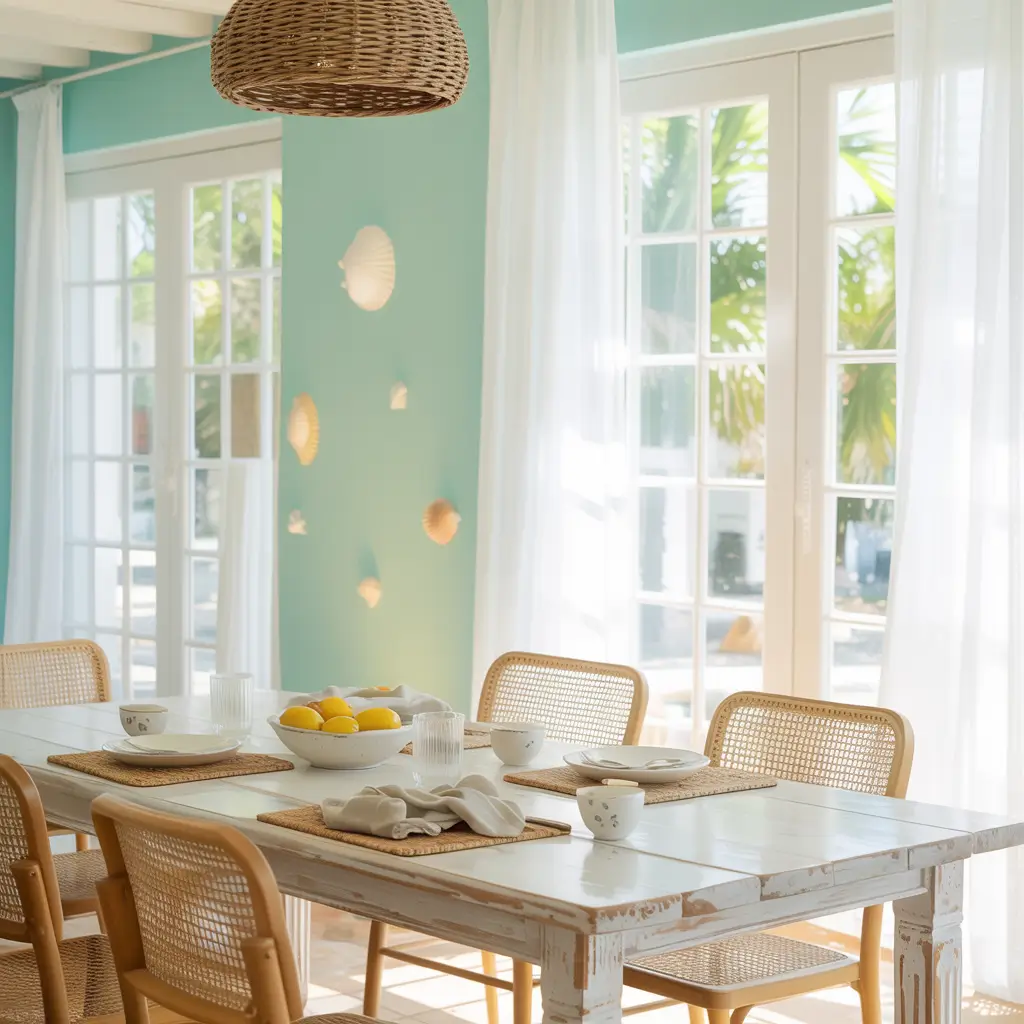
Mint green makes me think of beach houses, sea glass, and lazy summer afternoons. It’s refreshing, light, and brings an instant vacation vibe to your dining space—perfect if you want your room to feel like a coastal retreat.
Soft mint green works beautifully in spaces with lots of natural light. It reflects light rather than absorbing it, making your dining room feel bigger and brighter. Pair it with coastal-inspired elements, and you’ve got a space that feels perpetually breezy and relaxed.
Here’s my coastal dining room formula:
- Mint green walls or wainscoting
- White or whitewashed furniture for that driftwood effect
- Natural fiber rugs in jute or seagrass
- Rattan or wicker chairs (they’re back in style, people!)
- Light, flowing curtains in white linen or sheer fabrics
- Beach-inspired accessories like coral, shells, or nautical rope details
The coastal look is all about creating a laid-back, relaxed atmosphere. Nothing should feel too precious or formal. I love using slipcover dining chairs in white or natural linen—they’re washable (thank goodness), and they add to that casual, beachy vibe.
For lighting, think about fixtures made from natural materials. A chandelier made from white-washed wood beads or a pendant light in woven rattan adds texture and reinforces the coastal theme without being too literal. (Please, for the love of all that’s holy, resist the urge to hang fishing nets on your walls. We’re going for coastal chic, not seafood restaurant.)
Color-wise, stick to a palette of whites, creams, soft blues, and natural woods alongside your mint green. The goal is to evoke the beach without actually bringing sand into your house. Add some potted palms or tropical plants, and you’ve basically created a permanent vacation spot.
Green Accent Wall Modern Dining
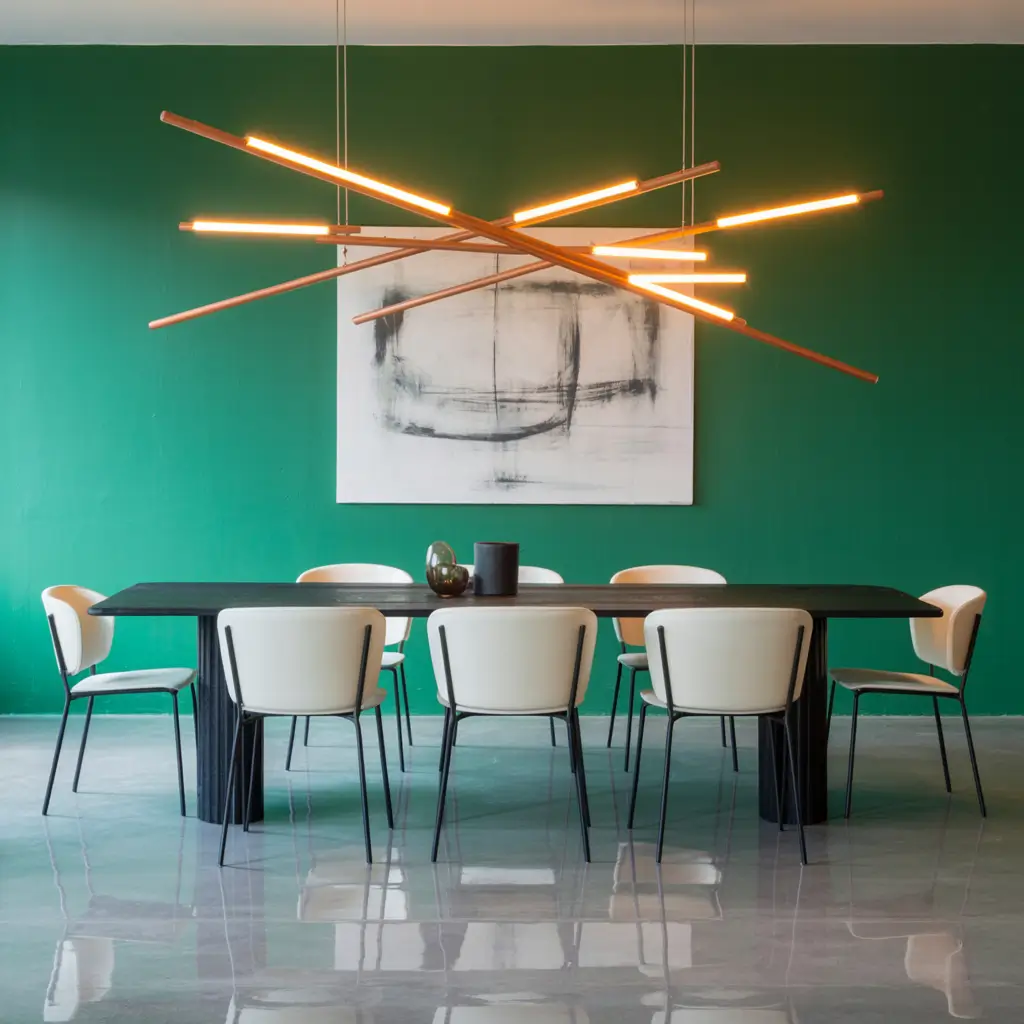
Not ready to commit to an entirely green dining room? The accent wall is your commitment-free alternative—all the impact, less of the risk. This approach works perfectly in modern dining spaces where you want a focal point without overwhelming the room.
A single green accent wall draws the eye and creates visual interest while keeping the rest of your space neutral. The trick is choosing the right wall—typically the one your dining table sits against or the one you see when you first enter the room.
Here’s how to nail the green accent wall look:
- Choose a bold green that makes a statement (this isn’t the time for timid pastels)
- Keep other walls neutral—white, gray, or warm beige
- Modern furniture with clean lines in complementary colors
- Minimal accessories to let the accent wall shine
- Geometric or abstract artwork that incorporates your green shade
I’ve seen people choose everything from deep hunter green to bright kelly green for their accent walls, and honestly? The “right” shade depends on your personal style and the amount of natural light you’re working with. Darker greens create drama and sophistication, while brighter greens feel energetic and fresh.
One thing I love about the accent wall approach is how easy it is to change. Painted a wall and hate it? You only have to repaint one wall, not the entire room. This makes it perfect for people who like to change their decor frequently or who want to experiment with trends without fully committing.
For a super modern look, consider adding wall paneling or board and batten to your accent wall before painting it green. The dimensional texture adds visual interest and makes the wall feel more intentional and designed rather than just “we painted this wall a different color.”
Two-Tone Green Panelled Dining Room
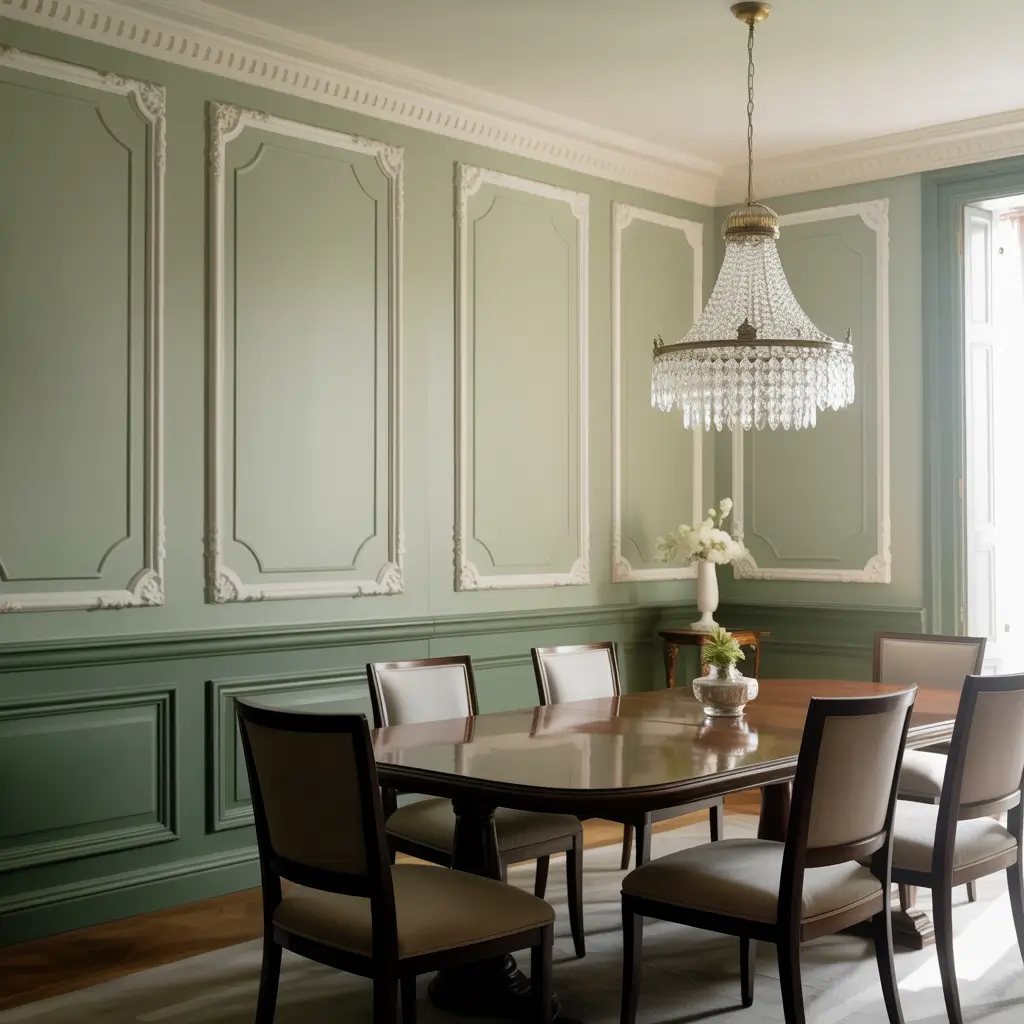
Two-tone walls are having a major moment, and for good reason—they add architectural interest and allow you to incorporate color without overwhelming your space. When you use different shades of green, you create a cohesive, sophisticated look that feels intentional and designer-approved.
The classic approach is darker green on the bottom (usually covering the lower third or half of the wall) and lighter green or white on top. Add some wainscoting, board and batten, or picture frame molding to define the separation, and suddenly you’ve got architectural character even in a builder-basic dining room.
Here’s what works for two-tone green dining rooms:
- Dark forest or hunter green below the chair rail
- Sage, mint, or white above for contrast
- White or cream molding to define the sections
- Mix of traditional and modern furniture to play off the architectural detail
- Art and mirrors hung in the upper section to draw the eye up
I recently helped a friend create a two-tone green dining room, and we used a deep olive green on the bottom with white shiplap on top. The contrast was stunning, and it completely transformed what was previously a bland, forgettable space. The darker bottom section also has the practical benefit of hiding scuffs and marks from chair backs—something worth considering if you have kids or you’re just generally clumsy with furniture (guilty).
The beauty of this approach is that you get the grounding effect of a darker color without the space feeling too heavy or enclosed. Your eye reads the room as lighter because of the white or light green on top, but you still get that rich, saturated color you crave.
Pro tip: Paint the ceiling in the same color as your upper wall section (or just keep it white). This creates a seamless look that makes the room feel taller. Contrasting ceiling colors can chop up the space and make it feel smaller and more disjointed.
Botanical Green Dining with Plants
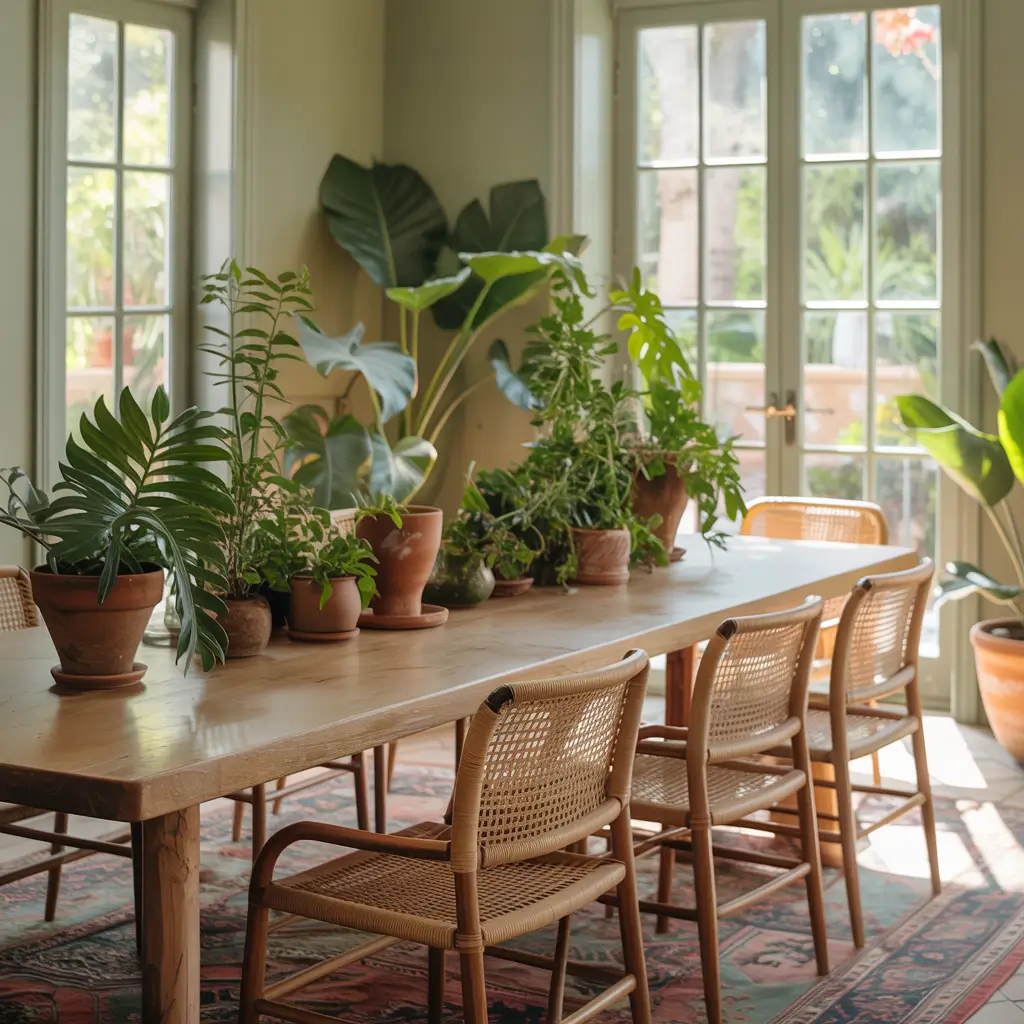
Why just paint your walls green when you can bring in actual living, breathing green? Botanical dining rooms combine green color elements with abundant plant life to create a fresh, organic space that feels like an indoor garden.
This approach appeals to plant parents (like myself, owner of way too many succulents) who want their love of greenery to be the defining feature of their dining room. The combination of painted green elements and real plants creates depth and visual interest that a single-tone green room can’t achieve.
Here’s how to create a botanical green dining paradise:
- Green walls in any shade from sage to forest
- Abundant plants in varying heights and sizes
- Botanical prints and plant-themed artwork
- Natural materials like wood, wicker, and stone
- Large windows or good grow lights for your plant babies
- Hanging planters to maximize green without taking up floor space
I like to use a softer green on the walls—something like sage or eucalyptus—so the actual plants pop against the background. If your walls are too dark or too bright, your plants can get lost or compete for attention. You want harmony, not competition.
Consider creating a living wall or vertical garden if you’re really committed to the botanical vibe. These look incredible behind a dining table and serve as a constantly evolving piece of art. Just make sure you’re ready for the maintenance commitment—plants need care, and a vertical garden needs even more attention than your regular potted friends.
The furniture in a botanical dining room should step back and let the plants shine. Stick to simple wood or rattan pieces in natural tones. Add patterned cushions or table linens featuring botanical prints, and you’ve reinforced the theme without overdoing it.
Quick reality check: Plants need light and water. If your dining room is dark and you’re terrible at remembering to water things, maybe don’t commit to a jungle dining room. Choose low-light tolerant plants like pothos or snake plants, or go with high-quality faux plants (no judgment—I have some mixed in with my real ones, and guests can’t tell the difference).
Green and Gold Glam Dining Room
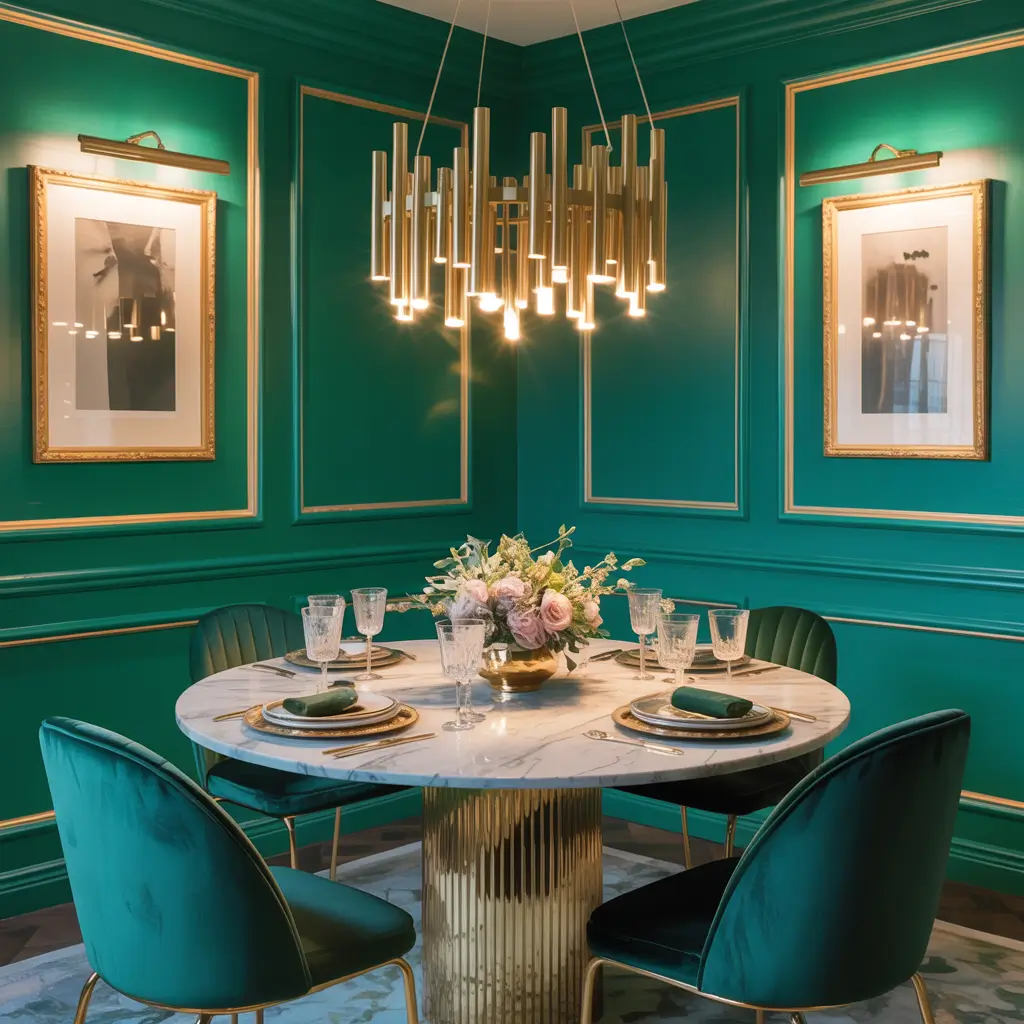
Green and gold together? That’s basically the design equivalent of champagne and caviar—luxurious, timeless, and always impressive. This combination works across multiple green shades, from soft sage to deep emerald, making it incredibly versatile for creating a glamorous dining space.
Gold accents elevate any shade of green from nice to “wow, did a designer do this?” The key is balance—you want enough gold to feel luxurious without tipping over into gaudy territory. (There’s a fine line, and I’ve definitely crossed it before. Learn from my mistakes.)
Here’s what I recommend for green and gold glam:
- Green walls (emerald creates maximum impact, but sage works too)
- Gold-framed mirrors to reflect light and add dimension
- Brass or gold light fixtures—chandelier, sconces, or pendants
- Gold-rimmed glassware and dinnerware for table settings
- Velvet or silk fabrics in green or complementary colors
- Gold bar cart (both functional and decorative)
- Gold-legged furniture or gold hardware on cabinets
The texture is crucial in a glam dining room. Smooth, glossy, and reflective surfaces catch light and create that luxurious feel. Think lacquered tables, polished marble, glass vases, and metallic finishes everywhere you can tastefully fit them.
I’m particularly fond of green velvet dining chairs with gold legs. They’re comfortable, photograph beautifully (hello, Instagram-worthy dinner parties), and they make every meal feel like a special occasion. Pair them with a marble or glass table, and you’ve got a combination that looks expensive even if you’re working with a budget.
For wall art, consider gold-framed botanical prints or abstract art that incorporates both green and gold tones. This ties the color scheme together while adding visual interest to your walls. Gold sunburst mirrors are also chef’s kiss in green dining rooms—they’re classic glam without being overly trendy.
One thing to watch out for: matching your gold finishes. You’ll notice gold comes in different tones—warm yellow gold, rose gold, brass, and champagne gold all look different. Pick one and stick with it throughout the room for a cohesive look. Mixing gold tones can work, but it’s tricky and can easily look unintentional rather than curated.
Green Wallpaper Statement Dining

Wallpaper is back, people, and it’s better than ever. Green wallpaper in a dining room creates instant personality and allows you to bring in pattern, texture, and color all at once. It’s a statement-making choice that shows you’re not afraid of commitment (at least when it comes to interior design).
Patterned green wallpaper can completely transform a dining room from bland to magazine-worthy. We’re talking palm leaf prints, geometric designs, damask patterns, or even hand-painted florals. The options are truly endless, which is both exciting and overwhelming.
Here’s how to choose and style green wallpaper:
- Consider the pattern scale—large patterns work in big rooms, smaller patterns suit compact spaces
- Match the green tone to your furniture and decor style
- Keep furniture simple to let the wallpaper be the star
- Use it on all walls for maximum impact, or just one accent wall if you’re nervous
- Choose washable or scrubbable wallpaper for dining rooms (food splatters happen)
I absolutely love dark green palm leaf wallpaper for creating a tropical, maximalist vibe. Pair it with rattan furniture and brass accents, and you’ve got a space that feels like a chic resort. On the other end of the spectrum, a geometric green and white wallpaper creates a modern, fresh look that feels current and sophisticated.
The ceiling is often overlooked, but hear me out—wallpaper on the ceiling (the “fifth wall”) creates drama and surprise. Use a green wallpaper with gold accents on the ceiling, keep the walls white or neutral, and watch people’s reactions when they look up. It’s unexpected and memorable.
Practical note: Wallpaper installation isn’t exactly DIY-friendly unless you have experience or serious patience. I attempted to wallpaper a room myself once, and let’s just say the seams didn’t line up and bubbles haunted me forever. Sometimes it’s worth hiring a professional, especially if you’ve invested in expensive wallpaper.
Also, make sure you love it. Wallpaper is more of a commitment than paint—removing it is possible but annoying. Order samples, stick them on your wall, and live with them for a few days before committing to entire rolls.
Also Read: 15 Amazing Farmhouse Kitchen Ideas and Elegant Wood Details
Green Scandinavian Light-Wood Dining
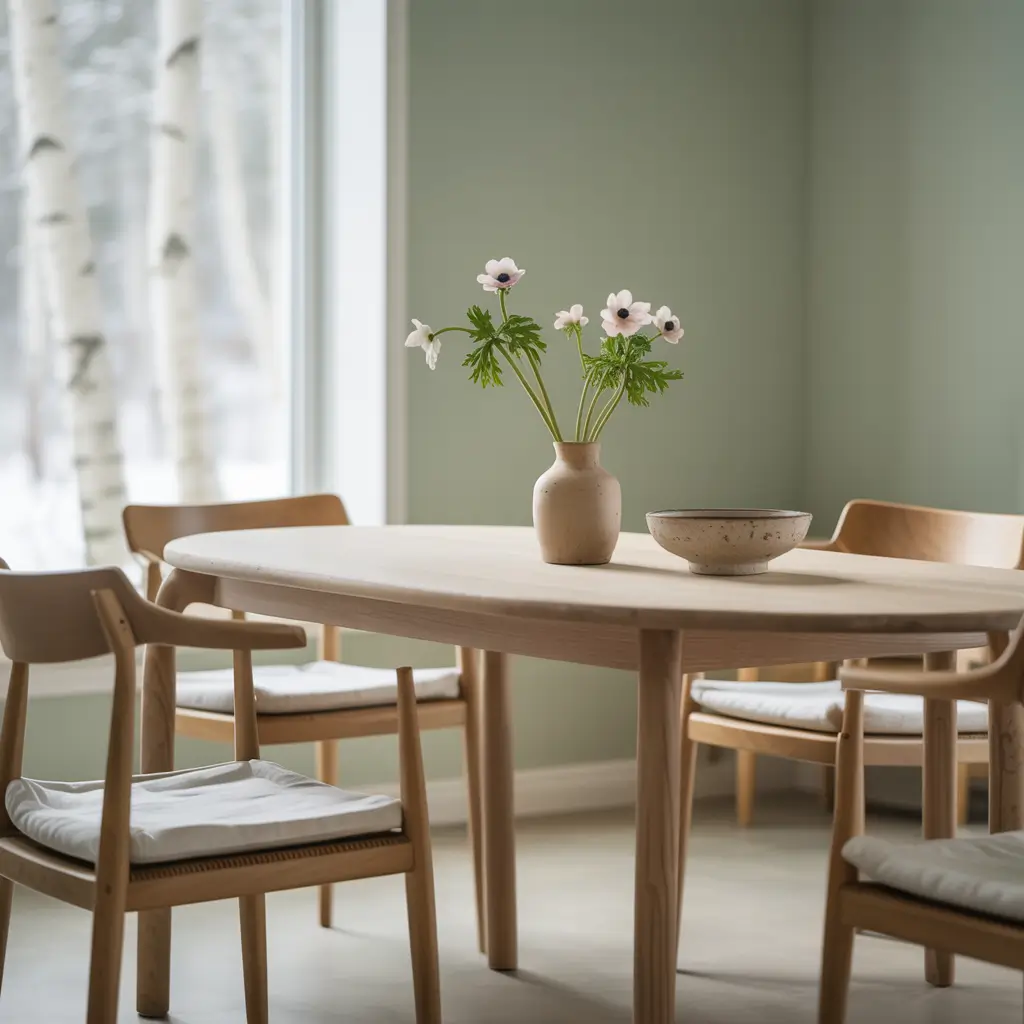
Scandinavian design is all about simplicity, functionality, and cozy minimalism (or “hygge” if you want to get fancy about it). When you add soft green tones to the classic Scandi palette of whites and light woods, you create a dining space that’s warm, inviting, and effortlessly stylish.
Scandinavian style green dining rooms typically use softer, muted greens—think sage, eucalyptus, or seafoam. These colors complement the light wood tones (like birch, ash, or light oak) that define Scandi design without competing with them.
Here’s the Scandi green dining formula:
- Soft green walls or just green accents in a mostly white room
- Light wood dining table and chairs with clean, simple lines
- Minimal decor focused on function and form
- Natural textiles like linen, cotton, and wool
- Plenty of natural light or warm artificial lighting
- Plants for bringing life into the space (always fits the Scandi vibe)
- Neutral color palette with green as the main color accent
The beauty of Scandinavian design is that it never feels cluttered or overdone. Every piece serves a purpose, and there’s a focus on quality over quantity. I love this approach because it’s surprisingly easy to maintain—when you don’t have a ton of stuff, there’s less to clean and organize. (My lazy side appreciates this greatly.)
For a Scandi green dining room, consider painting just the lower cabinets green if you have built-in storage, or adding green cushions to light wood chairs. These small touches bring in color without overwhelming the clean, airy aesthetic that makes Scandinavian design so appealing.
Lighting is crucial in Scandi spaces. Choose simple pendant lights in white, black, or natural materials. Paper lanterns, wooden bead chandeliers, or minimalist black metal fixtures all work beautifully. The goal is functional lighting that also serves as a subtle design element.
Deep Green Industrial Loft Dining
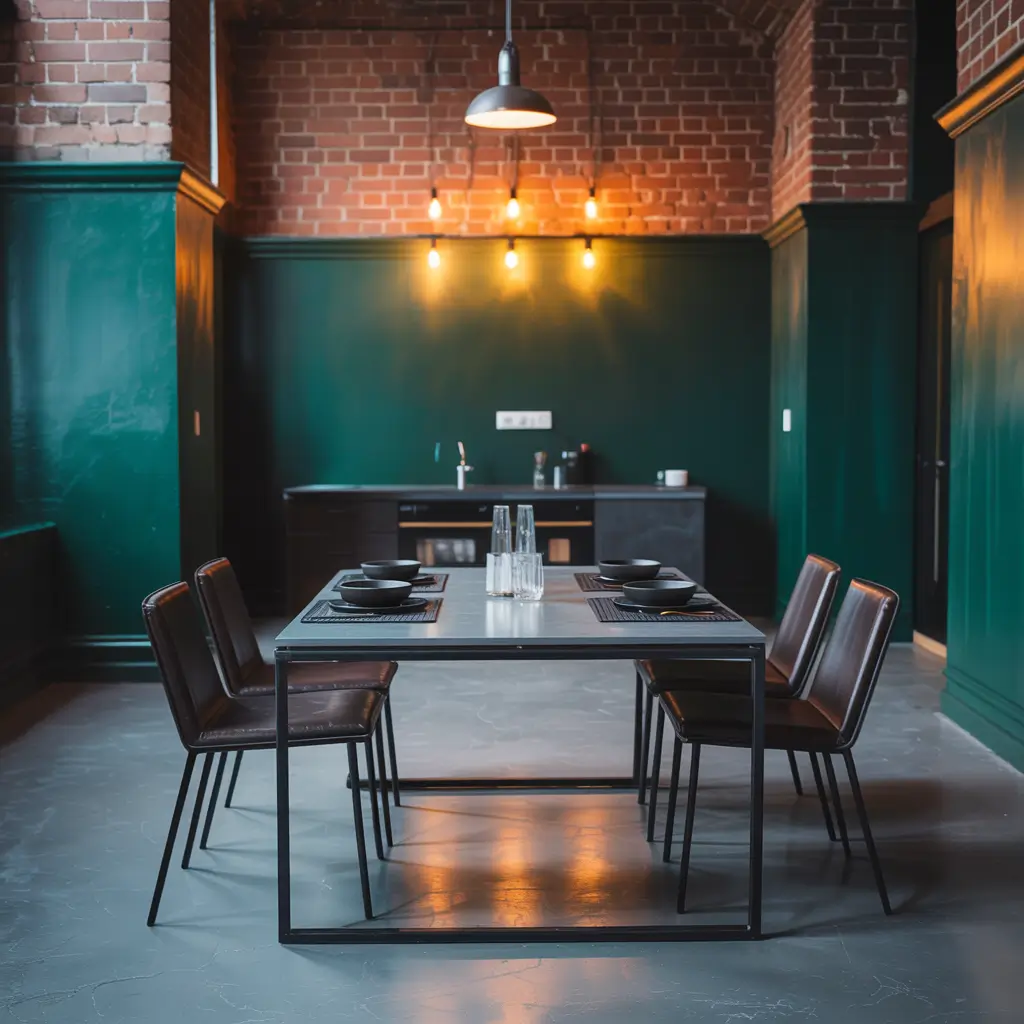
Industrial style—with its exposed brick, metal fixtures, and raw materials—might not seem like an obvious pairing with green, but trust me, it works. Deep green (think hunter, forest, or even black-green) adds warmth and sophistication to industrial spaces that can sometimes feel cold or too masculine.
The contrast between rough industrial materials and rich green tones creates visual interest and depth. It’s edgy but refined, masculine but not overpowering, and it works beautifully in loft spaces or homes with industrial architectural elements.
Here’s how to create a deep green industrial dining room:
- Deep green walls or just one accent wall
- Exposed brick (real or faux) in natural red tones
- Metal dining furniture with industrial details
- Edison bulb lighting or black metal fixtures
- Concrete or reclaimed wood flooring
- Leather seating for added texture
- Minimal window treatments or metal blinds
I’m particularly obsessed with deep green metal dining chairs in industrial spaces. They reference vintage factory furniture while adding a sophisticated color element. Pair them with a reclaimed wood table or a concrete table top, and you’ve got an instantly cool dining setup.
The industrial look embraces imperfection and rawness, so don’t stress about everything being perfect. Mismatched chairs, visible wear on furniture, and exposed hardware all add to the aesthetic. This is one style where “distressed” is a feature, not a bug.
For wall decor, consider large-scale black and white photography, vintage industrial signage, or metal wall art. Keep frames minimal—black metal or no frame at all. The art should feel curated but not precious, collected over time rather than bought as a matching set.
One thing to watch: industrial spaces can echo and feel cold. Add warmth with textiles like a chunky knit throw on a bench, cloth napkins, or even a vintage rug under the dining table. These soft elements balance the hard surfaces and make the space actually comfortable for dining rather than just cool to look at.
Earthy Green Boho Dining Room
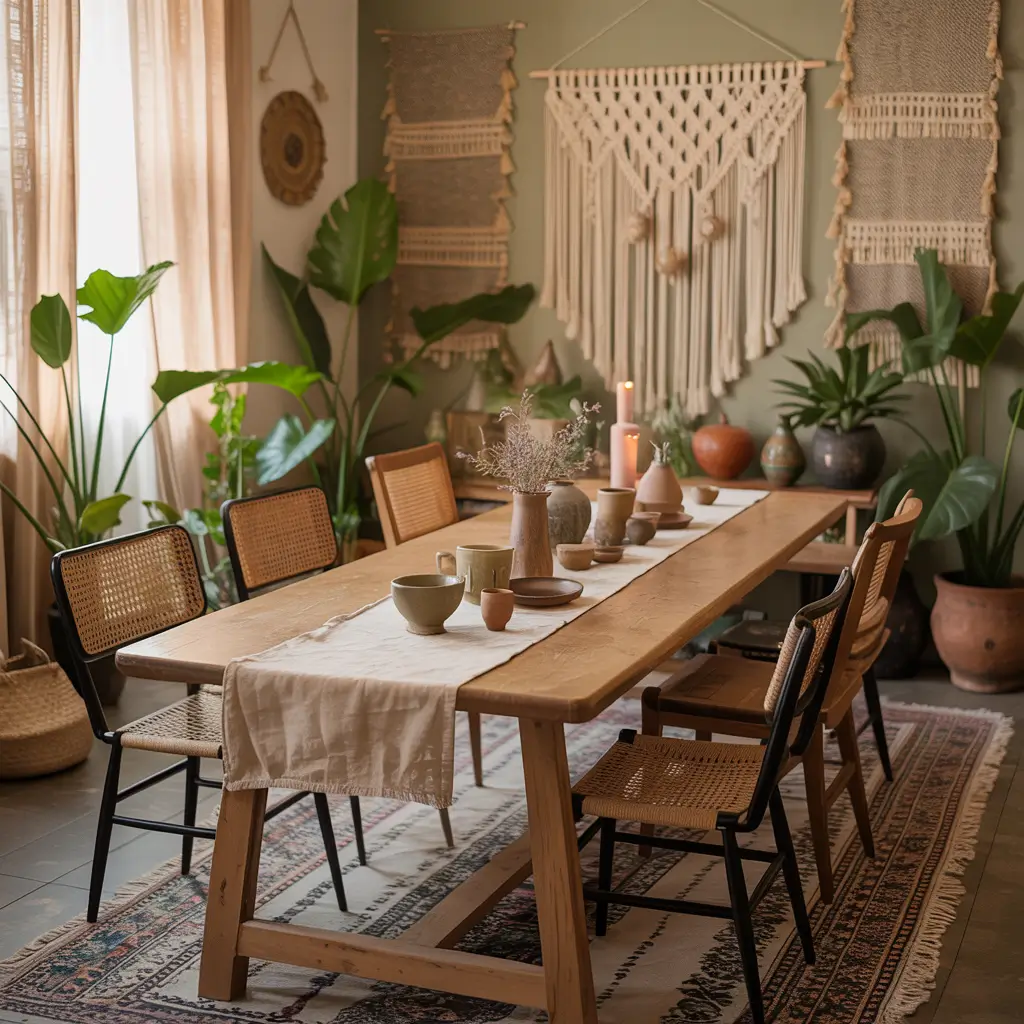
Boho style is eclectic, colorful, and gloriously maximalist—basically the opposite of minimalism, and I’m here for it. When you incorporate earthy green tones into a bohemian dining room, you create a space that feels organic, globally-inspired, and full of personality.
Olive green, sage, and eucalyptus all work beautifully in boho spaces because they’re natural, earthy tones that complement the wood, rattan, and textile elements that define bohemian style. The key to boho is layering—textures, patterns, colors, and collected treasures all come together in beautiful, organized chaos.
Here’s how to achieve earthy green boho dining:
- Earthy green walls or green textiles (curtains, table runners, cushions)
- Mix-and-match seating—different chair styles are encouraged
- Rattan, wicker, or bamboo furniture pieces
- Layered textiles with various patterns and textures
- Global-inspired decor—Moroccan lanterns, Turkish rugs, woven baskets
- Macramé wall hangings or plant hangers
- Abundant plants (because boho loves greenery)
- Vintage or handmade pieces with character and history
The beauty of boho style is that there are no strict rules. You can mix patterns that “shouldn’t” go together, combine vintage and new pieces, and display collections of objects you love. It’s personal, eclectic, and impossible to replicate exactly—which makes it uniquely yours.
I love using an olive green tablecloth as a base layer, then adding patterned runners, mismatched plates, and collected glassware from thrift stores and travels. Every place setting can look slightly different, and that’s not just okay—it’s the goal.
For seating, embrace the mix. Maybe you have two green velvet chairs, two wooden chairs, a bench on one side, and a rattan chair at the head. As long as the heights are similar and the overall vibe is cohesive, it works. Boho is forgiving like that.
Lighting in a boho dining room should feel warm and ambient. Layer different sources—maybe a woven pendant light, some string lights, and candles on the table. Harsh overhead lighting is the enemy of boho vibes. You want moody, cozy, and inviting.
Green and White Fresh Bright Dining
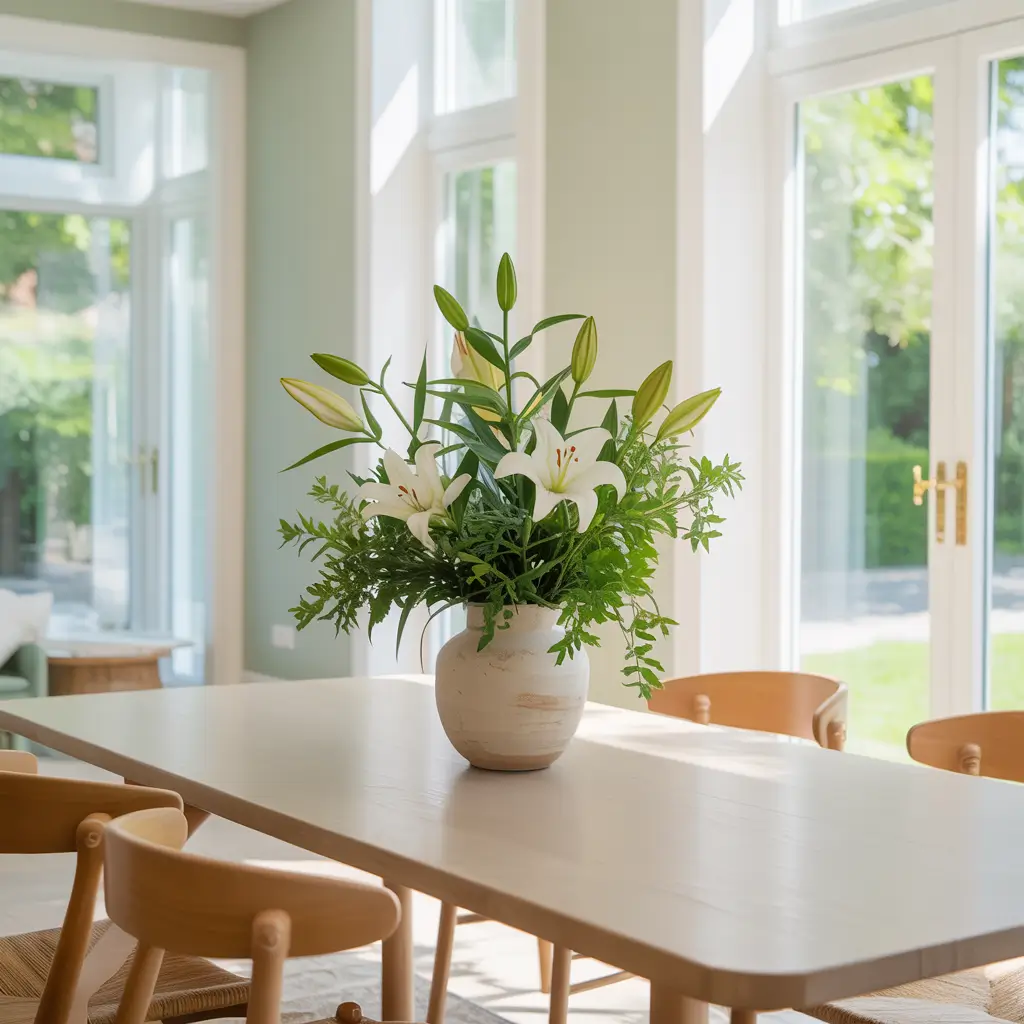
Sometimes you want your dining room to feel crisp, clean, and energizing—basically the opposite of moody and dramatic. Green and white is the perfect combination for creating a fresh, bright dining space that feels cheerful and inviting.
This color scheme works with any shade of green, from pale mint to bright kelly green to deep forest. The white acts as a palate cleanser, keeping the space feeling open and airy no matter how saturated your green choice is.
Here’s my formula for green and white freshness:
- White as the dominant color—walls, ceiling, and major furniture pieces
- Green as the accent color—chairs, cabinetry, or one accent wall
- Crisp white table linens for a fresh, clean look
- White dishes displayed on open shelving
- Natural light maximized with minimal window treatments
- Fresh greenery in white vases or planters
- Green and white patterned elements—striped rugs, checked cushions, or botanical prints
I’m particularly fond of white walls with green dining chairs. It’s such a clean, impactful look that feels modern and fresh. You can easily change the vibe with different table settings and centerpieces while the green chairs remain a constant, grounding element.
The green and white combination also photographs beautifully, which might matter to you if you’re into sharing your space on social media. (No shame—I totally consider Instagram-ability when making design choices. We all do it!)
For a really fresh, garden-inspired look, consider green and white striped curtains or a green and white geometric rug. These patterns add visual interest while maintaining the crisp, clean aesthetic. Just make sure your patterns are in similar scales and styles so they complement rather than compete.
One of the best things about the green and white scheme is how easy it is to maintain that fresh feeling. White wipes clean, green doesn’t show every little mark, and the overall brightness of the space makes it easy to spot when something needs attention. It’s practical and pretty—my favorite combination.
Vintage Green Retro-Inspired Dining Room

Let’s close this out with a nod to the past—vintage and retro green dining rooms bring the charm of mid-century modern or even earlier eras into your contemporary home. Think avocado green from the ’70s, mint green from the ’50s, or deep green from Victorian dining rooms.
Vintage style is all about embracing the aesthetics of a specific era and running with it. This means paying attention to the shade of green you choose (each era had its signature greens) and pairing it with period-appropriate furniture, lighting, and accessories.
Here’s how to create a vintage green dining room:
For ’50s retro:
- Mint or seafoam green
- Chrome and Formica furniture
- Diner-style seating
- Black and white checkered floor or accents
- Vintage appliances or appliance-inspired decor
For ’70s vibes:
- Avocado or harvest gold green
- Wood paneling (real or faux)
- Macramé and shag textures
- Geometric patterns
- Sunburst mirrors and teak furniture
For Victorian elegance:
- Deep hunter or bottle green
- Dark wood furniture with ornate details
- Velvet upholstery
- Damask wallpaper
- Crystal chandeliers and gilt frames
The key to pulling off vintage style without it looking like a museum or a costume is choosing pieces you genuinely love and mixing in some contemporary elements. You want “vintage-inspired,” not “literal time capsule.”
I’ve seen people absolutely nail the mid-century modern green dining room with sage green walls, a teak dining set, and sculptural lighting. The clean lines of mid-century furniture work beautifully with softer green tones, creating a space that feels both retro and current.
For vintage accessories, hit up estate sales, thrift stores, and antique shops. Original vintage pieces add authenticity and character that you simply can’t replicate with new items marketed as “vintage-style.” Plus, shopping secondhand is better for your wallet and the environment—win-win.
One warning: vintage color schemes can feel dated if you’re not careful. Balance is key. Maybe you use vintage green on an accent wall but keep other walls white. Or choose vintage-inspired furniture but in updated fabrics and finishes. The goal is “charming and nostalgic,” not “my grandmother’s house, unchanged since 1973.”
Final Thoughts
So there you have it—15 different ways to bring green into your dining room without making it look like you raided a St. Patrick’s Day store. The beautiful thing about green is its versatility. It works in literally every style, from minimalist to maximalist, modern to vintage, and everything in between.
The key to success with any of these ideas is committing to the vibe you’re going for. A halfway approach rarely works in interior design. If you’re going moody and dark, lean into it. If you’re doing fresh and bright, don’t muddy it with heavy elements. Trust your instincts, choose the green that makes you happy, and remember that paint is changeable if you totally hate it (been there, done that, got the paint-splattered t-shirt).
Whether you’re painting all your walls emerald green or just adding a few sage green chairs, you’re creating a dining space with personality and style. And honestly? That’s way better than another bland, forgettable beige room. Your dining room should make you want to linger over meals, host dinner parties, and actually use that space instead of just walking past it. Green, with all its variations and possibilities, helps you create exactly that kind of room.