

15 Cozy Living and Dining Room Combo Ideas with Warm Vibes
Look, I get it. You’re staring at your living and dining space wondering how on earth you’re supposed to make it look like those Pinterest-perfect rooms without ending up with a cramped mess. You want cozy, you want functional, and you definitely want those warm vibes that make guests actually want to stick around after dinner. The good news? I’ve been obsessing over combo spaces for years (probably spent way too much time rearranging furniture at 2 AM), and I’m here to share what actually works. These aren’t just pretty ideas—they’re practical solutions that’ll transform your space into something special. Ready to fall in love with your living-dining combo all over again?
Open Concept Modern Living and Dining Combo
The Beauty of Breaking Down Walls (Literally)
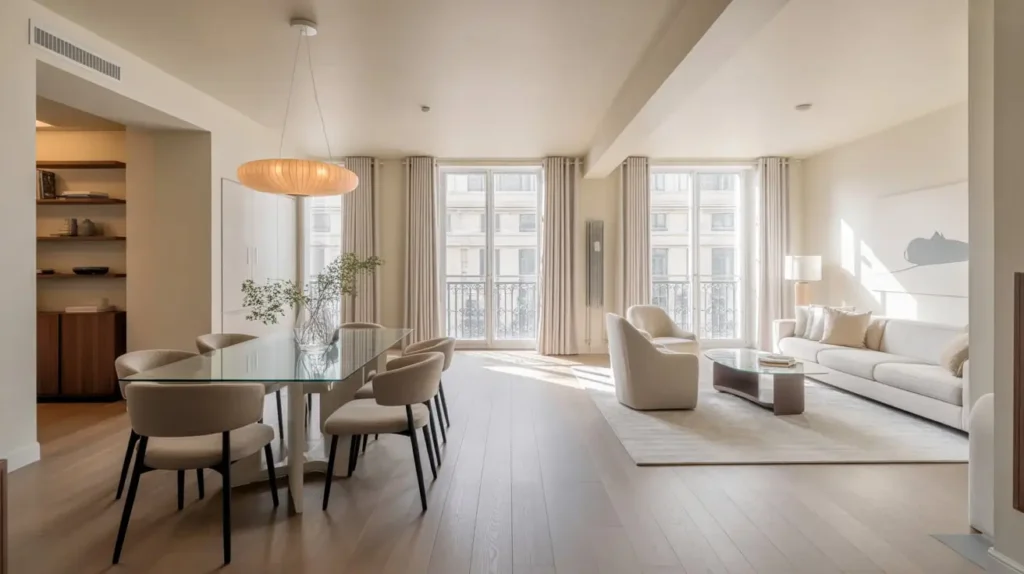
Modern open concept designs continue to dominate, and honestly, I’m not mad about it. You create one cohesive space where your living room flows seamlessly into your dining area without any awkward barriers. The key here? Visual continuity through color schemes and materials.
I recently helped my sister redesign her space using this approach, and the transformation blew my mind. We kept the flooring consistent throughout—beautiful wide-plank hardwood that didn’t change at the “border” between zones. This simple decision made her 1,200 square foot space feel almost twice as large.
Making It Work Without Looking Like a Showroom
Here’s what actually creates that cozy warmth in modern open concepts:
- Use area rugs to define each zone without creating hard divisions
- Maintain consistent lighting temperature (warm white LEDs around 2700K work magic)
- Choose furniture with clean lines but soft textures like a linen sofa paired with leather dining chairs
- Add one statement piece that bridges both spaces—think a large piece of art visible from both areas
The trick? You want modern, but you don’t want cold. Layer in warm wood tones, plush textiles, and keep those harsh whites to a minimum. Nobody wants to feel like they’re eating dinner in an Apple Store.
Cozy Scandinavian Living Dining Space
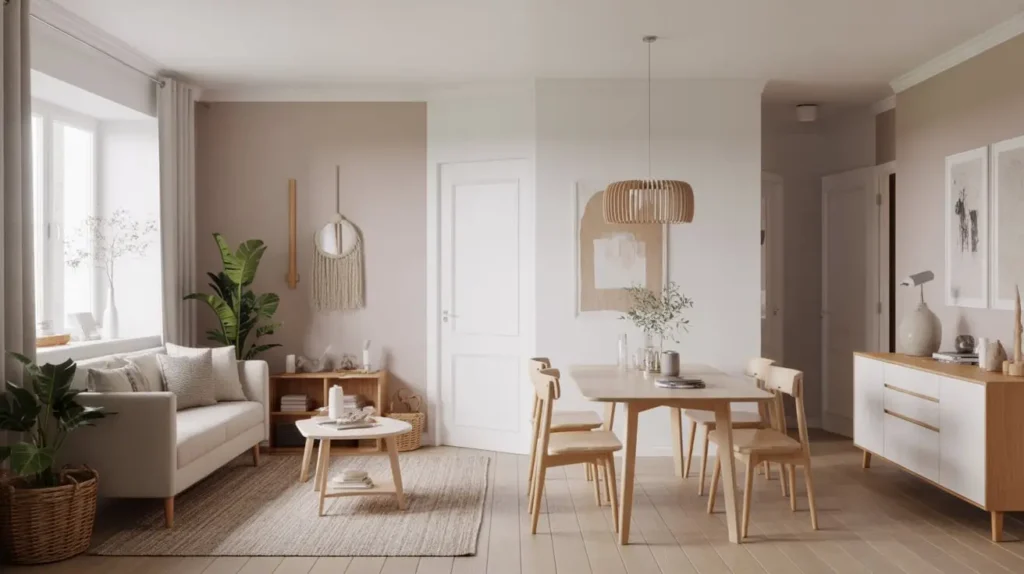
Hygge Meets Functionality
Scandinavian design practically invented cozy minimalism, and it translates beautifully to combo spaces. You get that “less is more” philosophy without sacrificing warmth—which, let’s be honest, sounds impossible but somehow works.
The Scandi approach focuses on natural materials, neutral palettes, and purposeful design. Think creamy whites, soft grays, and plenty of light wood. But here’s where people mess up: they go too minimal and end up with a cold, sparse room. The secret sauce? Texture, texture, texture.
Creating That Scandi Warmth
I’ll never forget walking into my friend’s Scandinavian-style combo space last winter. She nailed it:
- Sheepskin throws draped over both dining chairs and the sofa
- Woven baskets for storage that double as visual interest
- Candles everywhere (because Scandinavians know what’s up when it comes to ambiance)
- Live plants in simple ceramic pots bridging the two spaces
- Pendant lights with warm Edison bulbs over the dining table
Keep your furniture low-profile and functional. A simple white oak dining table pairs perfectly with a low-back sofa in oatmeal linen. Add some knit cushions, and boom—you’ve got warmth without clutter.
Minimalist Neutral Living Dining Design
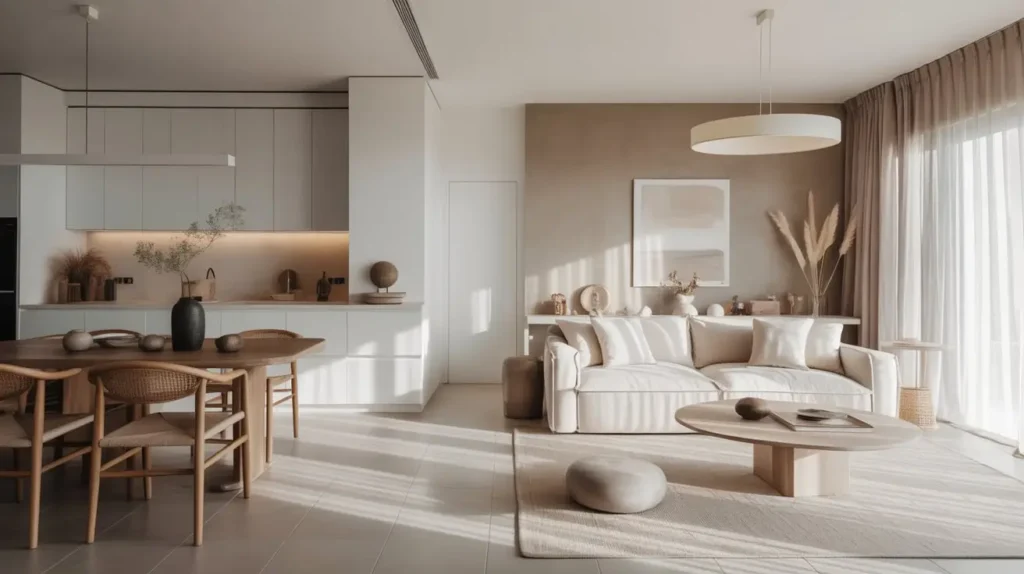
When Less Actually Becomes More (For Real This Time)
Minimalism gets a bad rap for being cold, but executed correctly in a combo space? Chef’s kiss. The whole point centers on intentional choices and quality over quantity. Every piece you include should earn its place.
I’m personally obsessed with neutral minimalist combos because they create this calming effect that’s hard to achieve with busier styles. You walk in and immediately feel like you can breathe. Your eyes don’t bounce around trying to process seventeen different colors and patterns.
The Neutral Palette That Doesn’t Bore
Choose your neutrals wisely, friends. We’re talking:
- Warm beiges and taupes instead of stark grays
- Cream and ivory rather than pure white
- Natural wood in honey or walnut tones for depth
- One accent color in a muted tone (sage green, dusty blue, or terracotta work beautifully)
Keep surfaces mostly clear, but add tactile elements like a chunky knit throw, linen napkins, or a jute rug under the dining table. The warmth comes from the textures and the quality of materials, not from visual noise. Your great-grandmother’s “more is more” approach doesn’t apply here 🙂
Rustic Farmhouse Combo with Wooden Accents
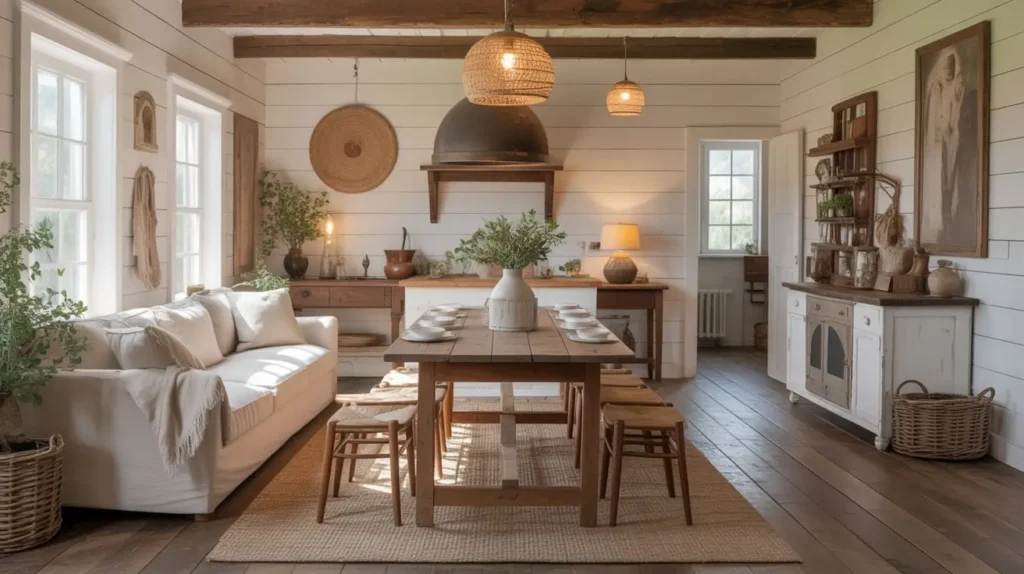
Bringing the Countryside Inside (Without the Rooster Decor)
Okay, farmhouse style got a bit overdone thanks to certain TV shows, but hear me out. When you strip away the “Live, Laugh, Love” signs and excessive shiplap, you’re left with something genuinely warm and inviting. Rustic farmhouse combos excel at creating comfortable, lived-in spaces that beg you to gather around.
The foundation? Wood. Lots and lots of wood. But not all the same tone or finish—that’s where people go wrong.
Layering Wood Without Looking Like a Log Cabin
I recently visited a farmhouse combo that absolutely nailed the balance:
- Reclaimed wood dining table with visible grain and character (the star of the show)
- Painted wood chairs in a soft white or sage to prevent wood overload
- Exposed beam ceiling or wood-look beams if you’re faking it
- Sliding barn door (if you have a nearby closet or pantry) for authentic charm
- Vintage-inspired lighting with metal and wood combinations
Mix your metals—oil-rubbed bronze and aged brass create warmth without looking too matchy-matchy. Add some open shelving with rustic brackets to display dishes or books. The goal? Comfortable elegance that says “sit down and stay awhile,” not “please don’t touch anything.”
Elegant Contemporary Living Dining Layout
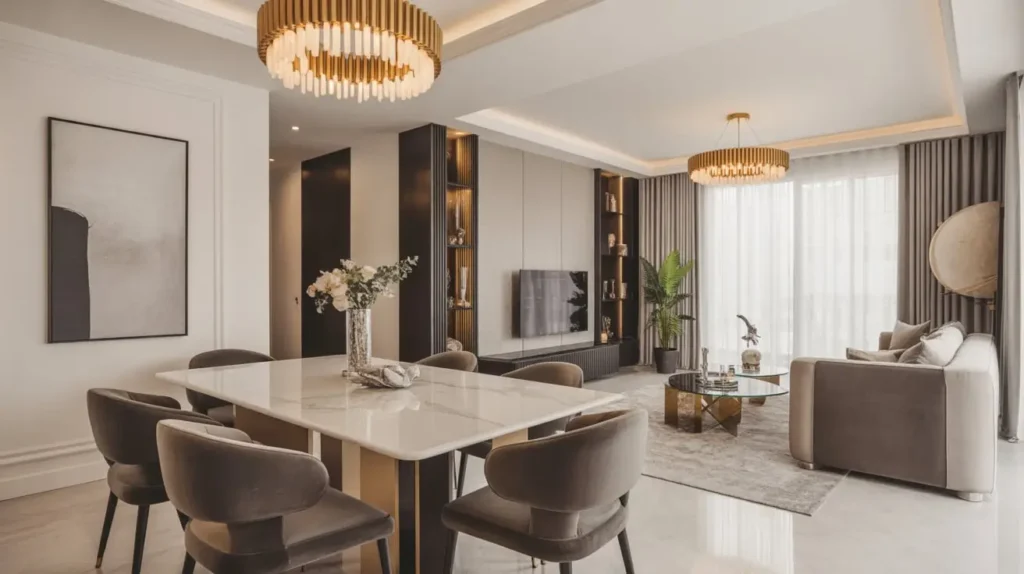
Sophistication That Doesn’t Scream “Museum”
Contemporary design walks a fine line between elegant and unapproachable, but when you nail it in a combo space, you create something truly special. You want sleek sophistication with enough warmth to actually live in the space comfortably.
The contemporary approach embraces current trends while maintaining timeless appeal. Sharp lines meet soft curves, and luxe materials balance with practical choices.
Elements That Elevate Without Alienating
Here’s what I’ve learned works best:
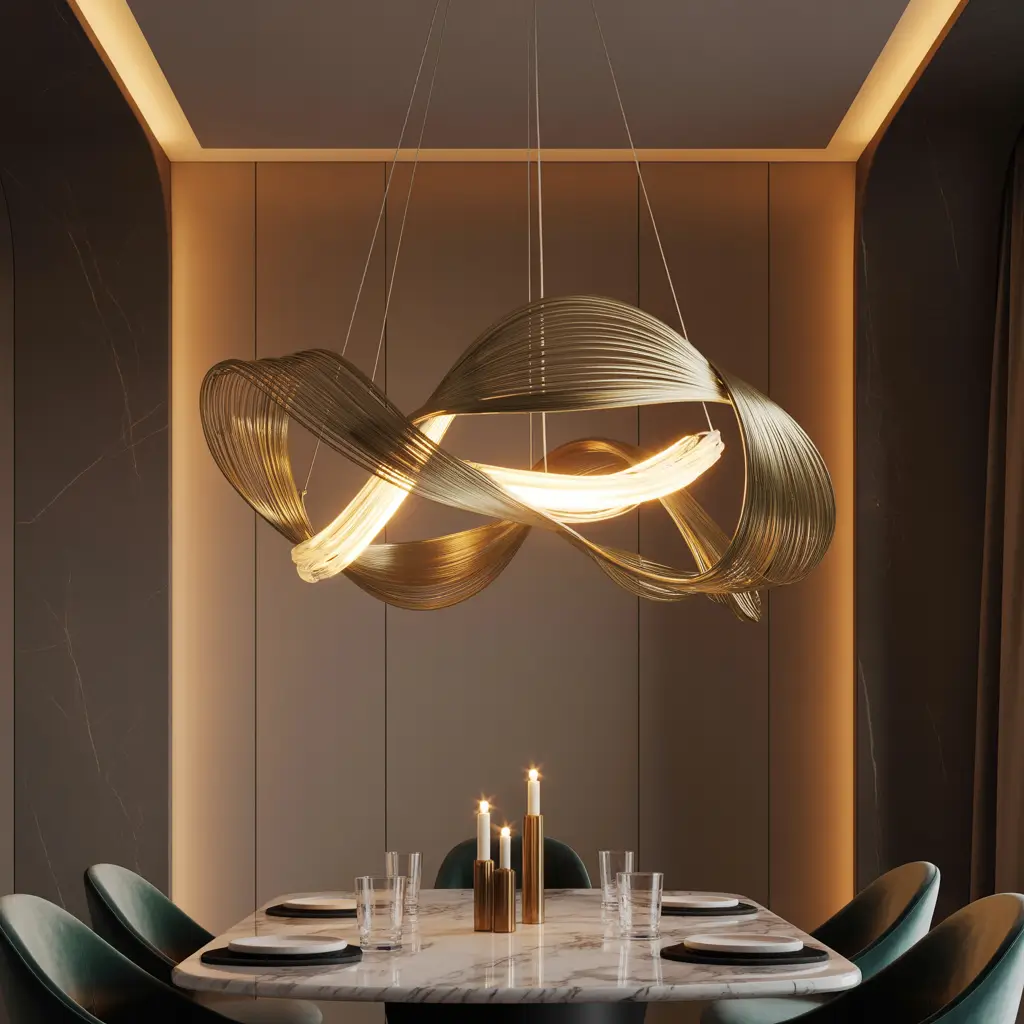
- Statement chandelier over the dining table (go bigger than you think—seriously)
- Velvet upholstery in rich jewel tones for warmth and luxury
- Marble or quartz accents on coffee tables or console tables
- Mixed materials like glass, metal, and wood in the same space
- Monochromatic color scheme with varying shades of the same color family
Add warmth through ambient lighting layers—table lamps, floor lamps, and dimmers on overhead fixtures. Contemporary doesn’t mean cold; it means curated. Each piece should look intentional, like you spent time selecting it (even if you panic-bought it online at midnight, which, no judgment).
Also Read: 15 Elegant Small Living and Dining Room Combo Ideas for Homes
Boho Chic Living and Dining Room Fusion
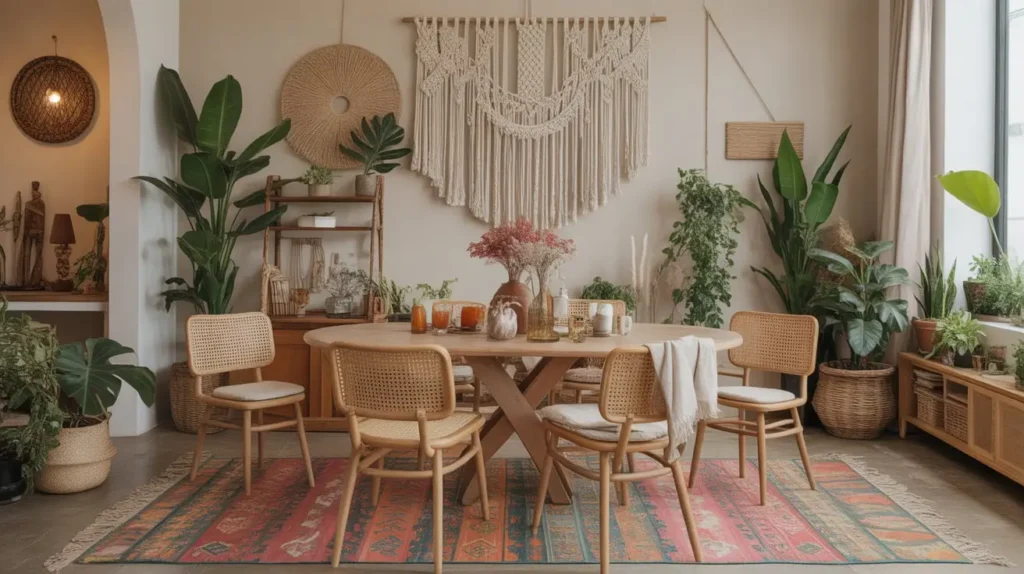
Eclectic Warmth That Actually Makes Sense
Boho style gives you permission to mix, match, and layer to your heart’s content—and it’s basically perfect for creating warm, inviting combo spaces. You blend global influences, natural materials, and relaxed vibes into something that feels collected over time rather than bought in one shopping trip.
I’ll be honest: boho can go sideways fast if you don’t have a game plan. Too much pattern, and you’ll trigger migraines. Not enough cohesion, and it looks like a thrift store exploded.
Organized Chaos Done Right
The best boho combos I’ve seen follow these guidelines:
- Start with a neutral base (white walls, natural wood floors)
- Layer one to three patterns maximum—choose ones that share a color
- Mix textures aggressively: macramé, rattan, woven textiles, leather, plants
- Incorporate global textiles like Moroccan rugs, Indian block-print cushions, or Turkish throws
- Display collections (vintage finds, plants, books) on open shelving
Hang plants at varying heights between both zones—hanging planters create visual connections without blocking sightlines. Add poufs for extra seating that you can move between spaces. The warmth comes from that lived-in, collected feeling. Nobody should walk in and think “she definitely bought this all last Tuesday at HomeGoods.” FYI, even if you totally did.
Compact Apartment Living Dining Arrangement
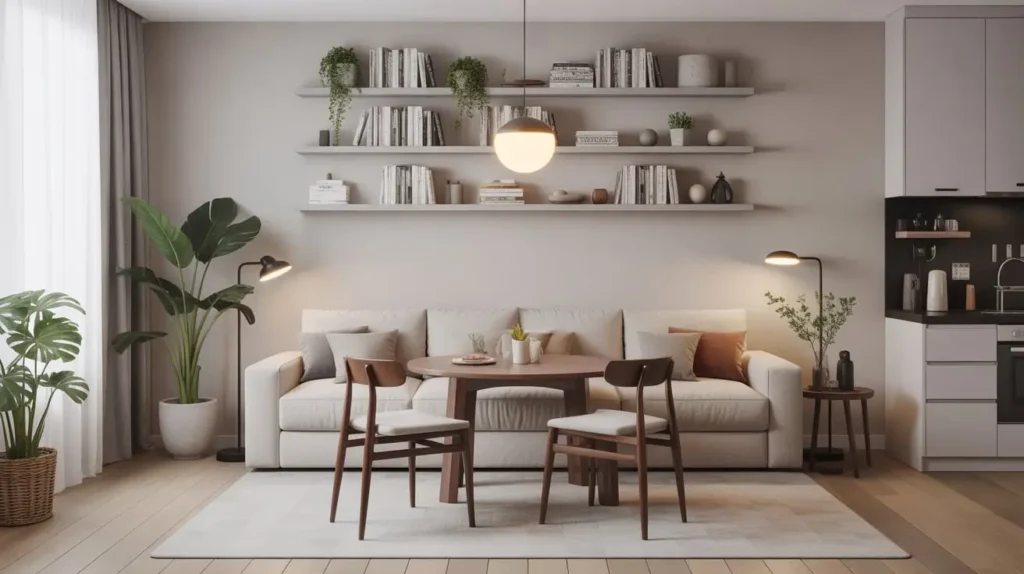
Small Space, Big Impact
Living in a compact apartment doesn’t mean sacrificing style or coziness—it just means getting creative. I’ve lived in my share of shoebox apartments, and I learned that smart furniture choices and strategic placement matter more than square footage.
The biggest mistake people make? Pushing everything against the walls and creating a weird empty middle. Your compact combo needs intentional zones, just scaled down.
Maximizing Every Inch
Here’s what actually works in small spaces:
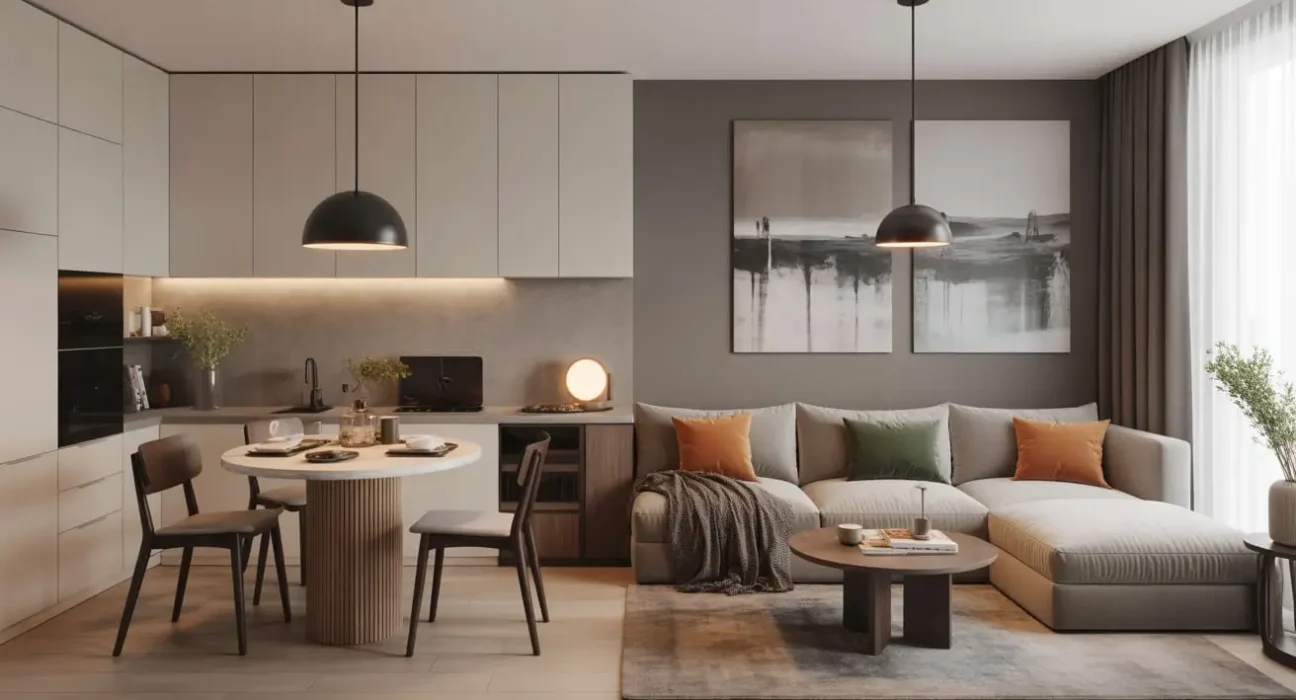
- Round dining table instead of rectangular (better flow, fewer bruised hips)
- Apartment-sized sofa (68-76 inches instead of standard 84+)
- Floating furniture pulled slightly away from walls to create depth
- Dual-purpose pieces like a console table that works as both sofa table and serving station
- Vertical storage to draw eyes up and create height illusion
Use one cohesive color palette to make the space feel larger. Light walls reflect more light, but don’t be afraid of a moody accent wall if you commit to it. Add warmth through lighting—multiple small light sources beat one harsh overhead fixture every single time. I learned this the hard way after spending two years in an apartment that felt like an interrogation room.
Industrial Loft Style Combo Space
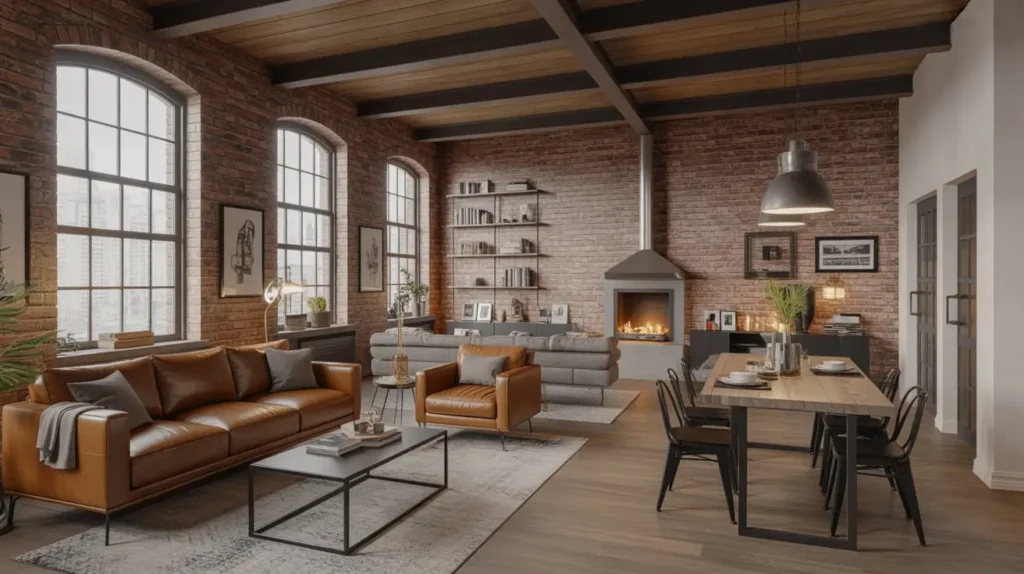
Raw Edges, Warm Heart
Industrial design might sound cold—all that exposed brick, metal, and concrete—but it creates surprisingly cozy combo spaces when you balance the hard edges with soft elements. You’re working with architectural honesty and raw materials that tell a story.
The industrial aesthetic works especially well in combo spaces because the open concept feels natural to the loft-living philosophy. You’re not trying to hide the structure; you’re celebrating it.
Softening the Hard Stuff
Here’s how you keep industrial from feeling like a warehouse:
- Exposed elements (brick walls, ductwork, concrete floors) as your backdrop
- Warm wood dining table (thick, substantial pieces work best)
- Leather furniture in rich cognac or chocolate tones
- Edison bulb fixtures or industrial pendant lights with warm-toned bulbs
- Textile layers (think chunky knits, wool rugs, linen curtains)
Add vintage industrial pieces like metal factory stools or a repurposed workbench as a console table. Plants soften the edges beautifully—large leafy varieties in simple metal or concrete planters. The contrast between rough and refined creates visual interest while maintaining warmth. Nobody wants to feel like they’re eating dinner in an unfinished basement, right?
Coastal Inspired Living Dining Area
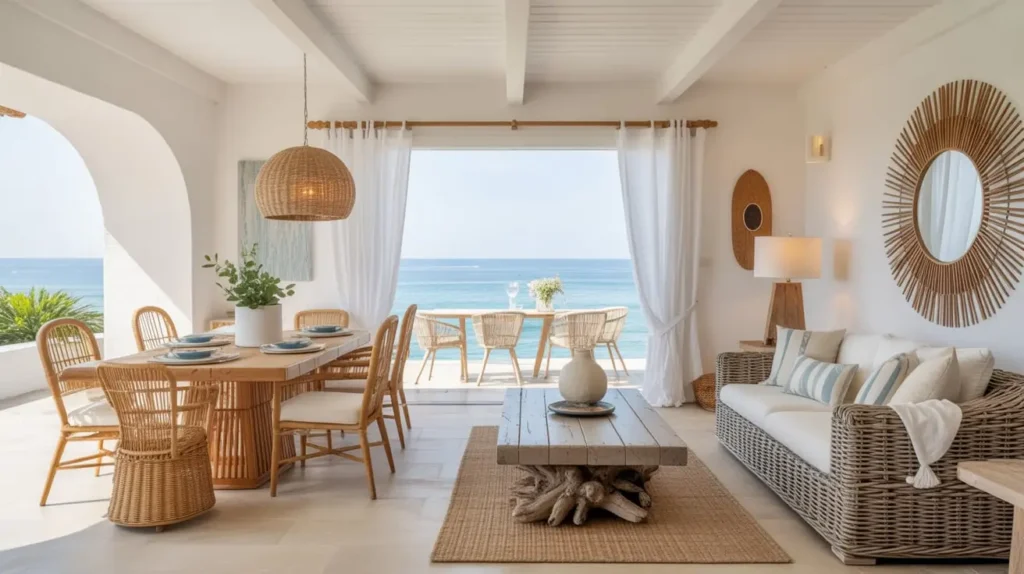
Beach Vibes Without the Kitschy Seashells
Coastal design brings breezy, relaxed warmth that makes combo spaces feel vacation-ready year-round. But we’re talking sophisticated coastal, not “anchor motifs and rope everywhere.” The best coastal combos evoke the feeling of the beach without literally bringing the beach inside.
I spent a summer in a coastal combo space, and it completely changed how I think about this style. The airiness and natural light made the space feel expansive and calm.
Creating Coastal Warmth
Nail this look with:
- Weathered wood furniture in driftwood or whitewashed finishes
- Blue and white base palette with sandy neutrals and natural textures
- Linen and cotton fabrics (nothing too formal or fussy)
- Natural fiber rugs like jute or sisal
- Organic shapes in decor and furniture (curved backs, round mirrors)
- Plenty of natural light (keep window treatments minimal)
Add warmth through layered whites and creams rather than stark white. Bring in woven baskets, ceramic vases in ocean-inspired glazes, and light wood tones. The key? Everything should feel relaxed and effortless, like you just naturally live this beautifully. Spoiler alert: nobody actually lives this beautifully without effort, but we can pretend 🙂
Mid-Century Modern Combo Design
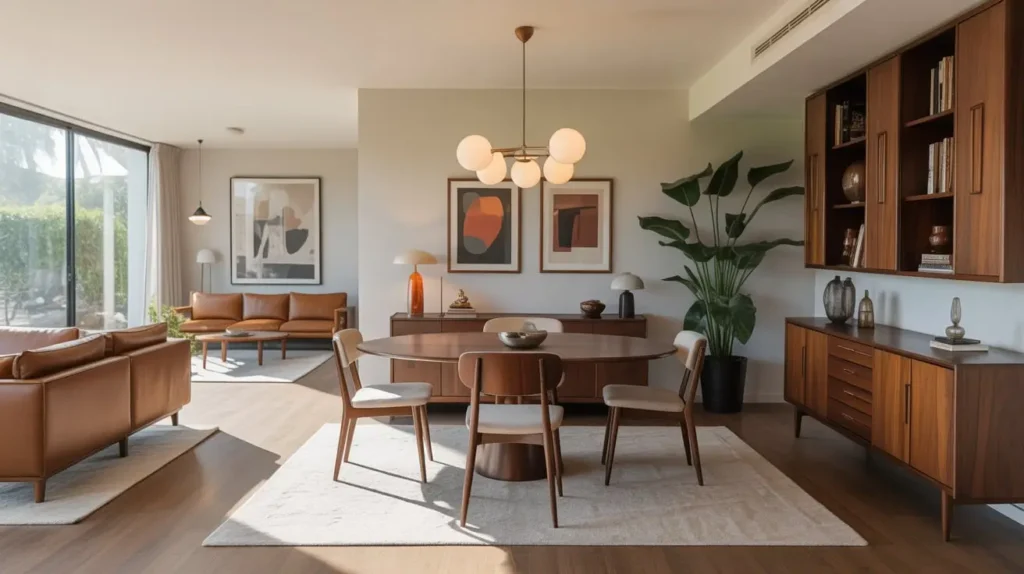
Retro Cool Meets Contemporary Comfort
Mid-century modern has serious staying power, and for good reason. The clean lines, organic shapes, and focus on functionality create combo spaces that feel both nostalgic and current. You get timeless style that photographs beautifully but actually works for daily living.
The mid-century approach emphasizes form following function, which means every piece looks good while serving a purpose. No fluff, just smart design.
Nailing the MCM Look
Essential elements include:
- Tapered leg furniture (the signature MCM silhouette)
- Walnut or teak wood tones for that classic warmth
- Mustard, orange, or olive green accents against neutral backgrounds
- Statement lighting (think Sputnik chandelier or arc floor lamp)
- Mix of organic and geometric shapes throughout both zones
- Built-in or modular shelving for that period-appropriate vibe
Keep the palette warm with rich wood tones and earthy accent colors. Add texture through woven chair seats, wool rugs, and nubby upholstery fabrics. The beauty of mid-century modern? It plays well with other styles, so you can mix in contemporary pieces without breaking the aesthetic. Your grandmother’s actual mid-century credenza looks amazing next to that West Elm sofa—trust me on this.
Glam Living Dining Room with Gold Touches
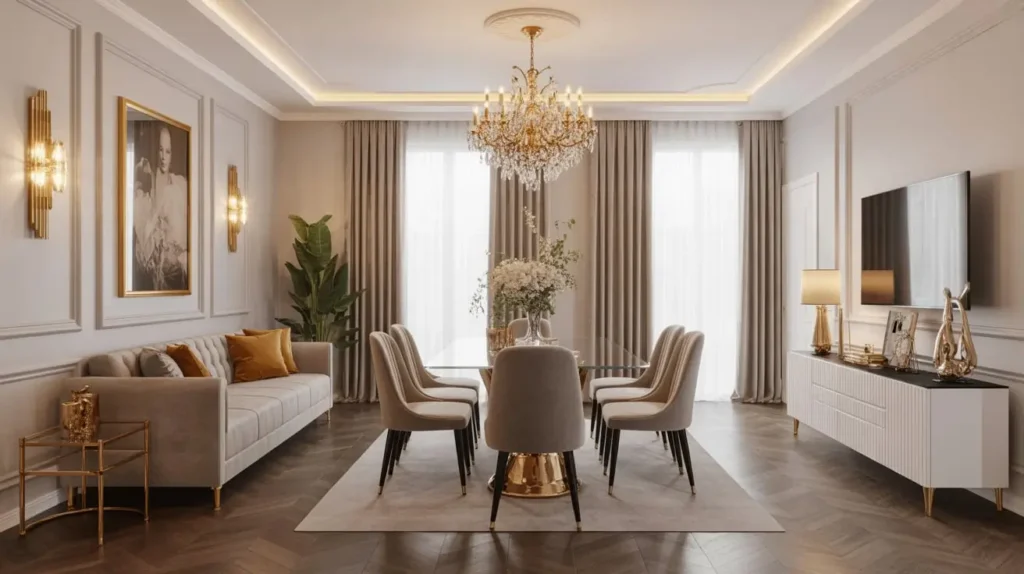
Luxe Without Looking Like Versailles
Glam style brings unapologetic luxury and drama to combo spaces, creating warmth through richness rather than rusticity. You embrace metallics, plush fabrics, and statement pieces that say “yes, I absolutely meant for this to look this good.”
The trick with glam? Balance. Too much shine and you’re squinting through dinner. Too many metallics and you’ve created a disco ball, not a dining area.
Glam Elements That Work
Here’s your glam toolkit:
- Velvet upholstery in deep colors (emerald, navy, burgundy)
- Gold or brass accents (not everything—select pieces)
- Mirrored furniture or accessories to bounce light
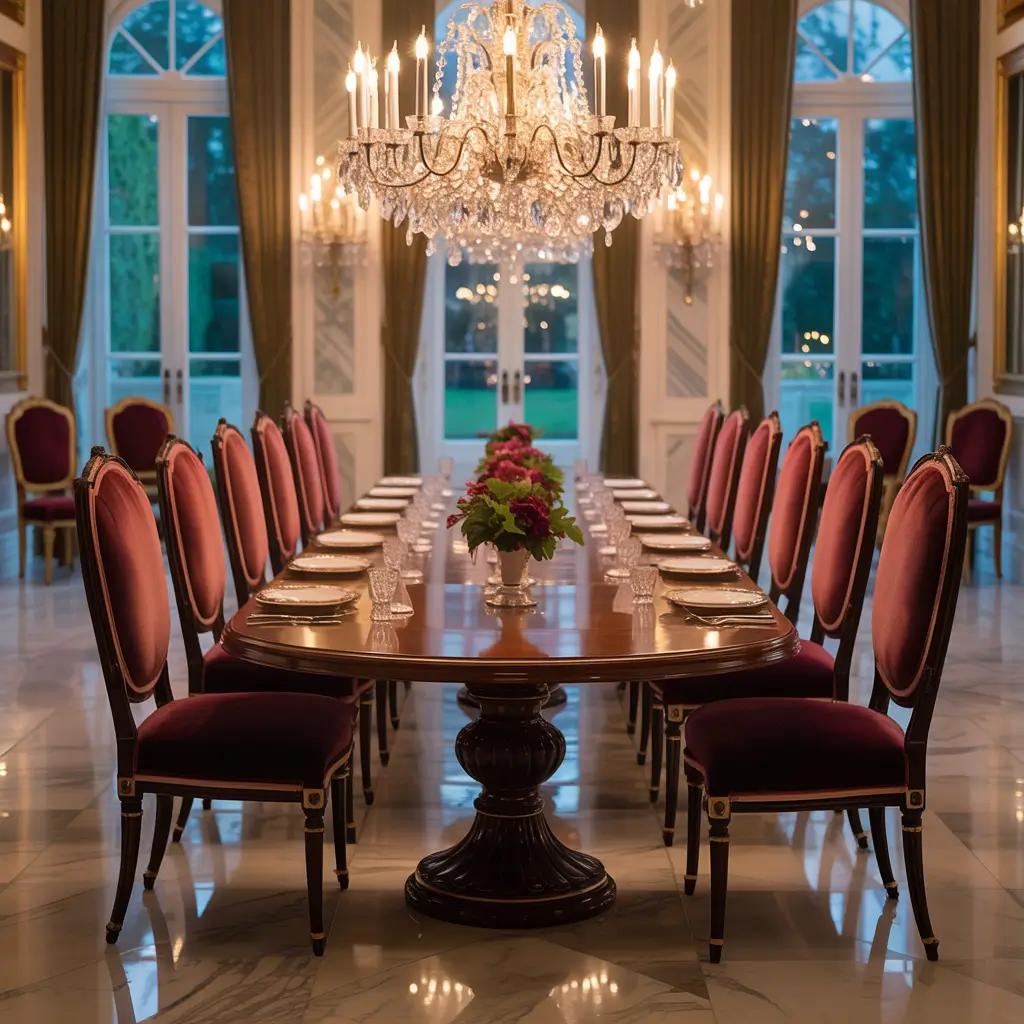
- Crystal or glass chandelier (this is your moment to go bold)
- Faux fur throws for texture and luxury
- High-gloss finishes on select pieces
Mix warm metallics with cool tones to avoid overwhelming the space. A brass bar cart works beautifully with a silver-leafed mirror. Add warmth through jewel-toned textiles and ambient lighting—dimmer switches become your best friend in glam spaces. Layer in some subtle pattern through wallpaper or textiles. The goal? Walking into your space should feel like an occasion every single day. IMO, if you can’t be a little extra in your own home, where can you be?
Also Read: 15 Creative Small Space Living Room Ideas for Modern Homes
Japandi Style Open Living Dining Concept
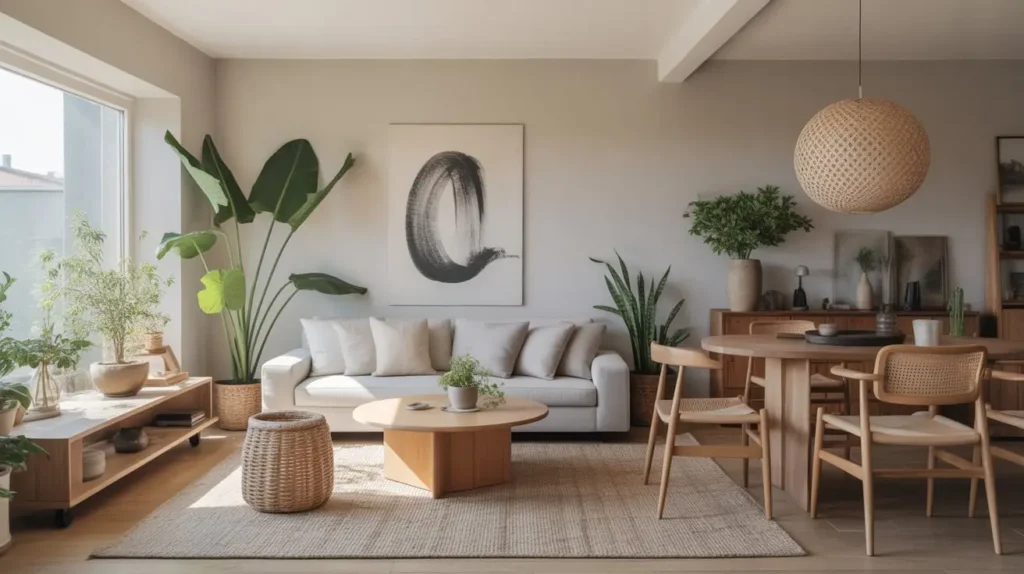
When Japanese Meets Scandinavian (And It’s Perfect)
Japandi combines the minimalism and craftsmanship of Japanese design with Scandinavian coziness, and the result works beautifully in combo spaces. You get pared-down elegance with warmth built in—the best of both worlds.
This style speaks to me personally because it eliminates visual clutter while maintaining that inviting warmth. Every piece matters, nothing competes for attention, and you create this peaceful, harmonious flow between living and dining areas.
Achieving Japandi Balance
Focus on these elements:
- Low-profile furniture with clean, simple lines
- Natural wood in light to medium tones (oak, ash, walnut)
- Muted, earthy color palette (clay, sage, charcoal, cream)
- Handcrafted pottery and ceramics displayed sparingly
- Paper lantern lighting or simple pendant fixtures
- Minimal but impactful decor (ikebana arrangements, one perfect vase)
Embrace wabi-sabi principles—find beauty in imperfection and natural materials. Your dining table might show wood grain variations; that’s a feature, not a flaw. Add warmth through natural textiles like linen and cotton in neutral tones. The space should feel meditative and intentional, like each element contributes to the overall calm. No visual screaming here—just peaceful, warm harmony.
Traditional Living Dining Combo with Classic Charm
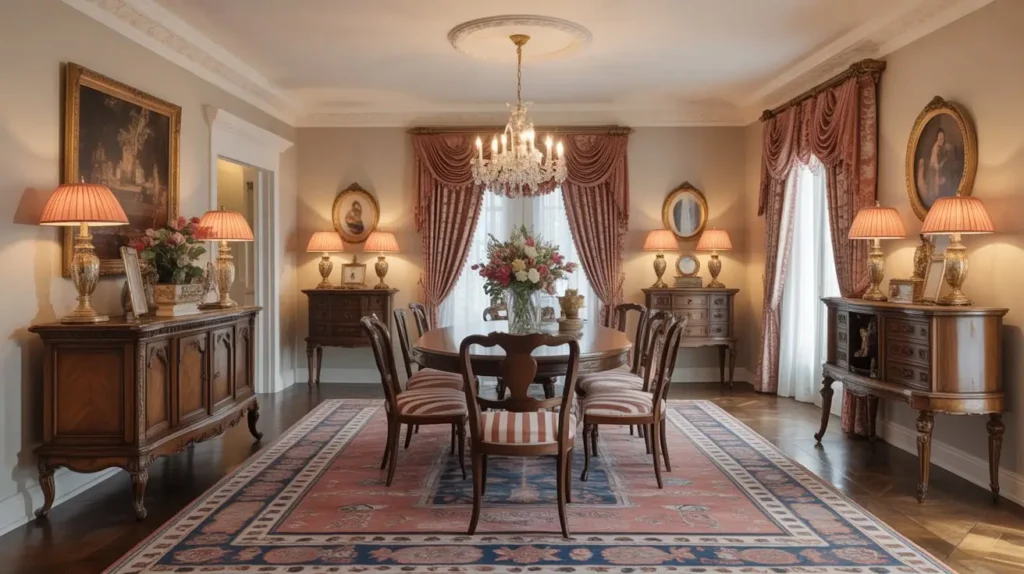
Timeless Elegance That Never Quits
Traditional design might seem stuffy, but updated traditional combo spaces create layered warmth and refined comfort that feels both elegant and livable. You embrace classic proportions, rich colors, and detail-oriented elements that create a collected, sophisticated look.
I grew up in a traditional home, and while I’ve experimented with other styles, I keep coming back to certain traditional elements because they simply work. Quality pieces, classic shapes, and rich finishes create spaces that age beautifully.
Modern Traditional Elements
Update traditional style with:
- Classic furniture shapes in updated fabrics (Chesterfield sofa in linen instead of leather)
- Rich wood furniture in cherry, mahogany, or walnut
- Layered window treatments (sheers plus panels for depth)
- Oriental or Persian-style rugs anchoring each zone
- Crown molding and wainscoting if your space allows
- Symmetrical arrangements in both living and dining areas
Create warmth through deep, rich colors—burgundy, forest green, navy, warm gray. Add brass or bronze hardware and fixtures for that classic warmth. Mix in antiques or antique-inspired pieces with newer items to avoid the “museum” feeling. The key? Traditional doesn’t mean frozen in time—you can honor classic design while living in the present. Your space should feel inherited and collected, even if you bought everything last year.
Small Space L-Shaped Living Dining Layout
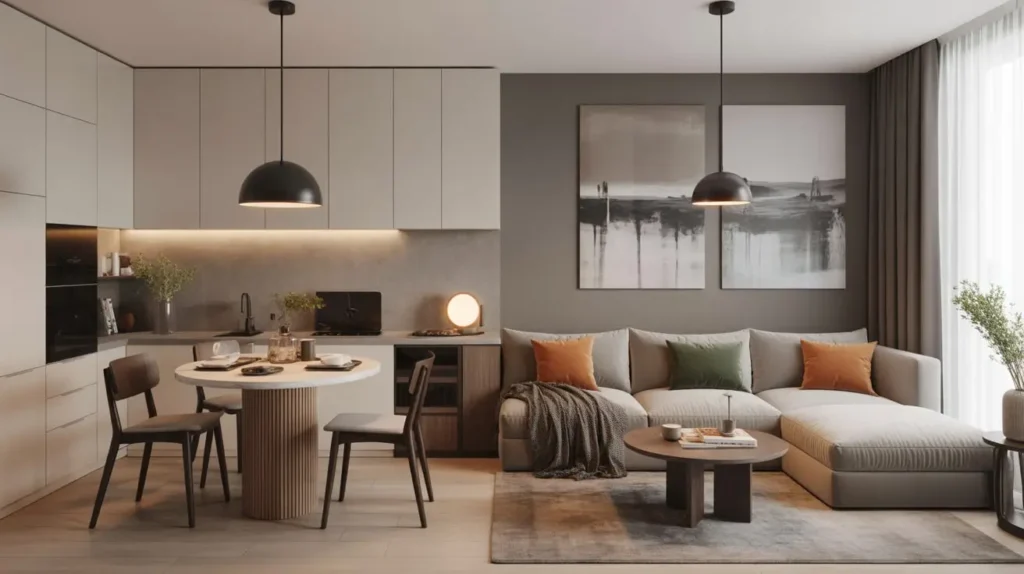
Making Corners Work for You
L-shaped layouts often happen by necessity in smaller spaces, but they actually create natural zones while maximizing square footage. You work with the architecture instead of fighting it, and corners become assets rather than awkward dead space.
I’ve worked with several L-shaped combos, and the biggest revelation? Embrace the layout instead of trying to force a different configuration. The corner becomes a natural transition point between living and dining.
Optimizing the L-Shape
Make this layout work:
- Position the dining table in the alcove or corner of the L
- Use the longer wall for your sofa to anchor the living zone
- Place a console table or shelving unit at the corner junction point
- Define zones with different but coordinating rugs
- Corner lighting (floor lamp or corner shelf with lighting) to prevent darkness
- Built-in corner seating if you’re feeling ambitious
Maintain visual flow with consistent color and style throughout both legs of the L. You don’t want the corner to feel like a border between two different rooms. Add warmth through coordinated textiles, layered lighting, and personal touches that bridge both spaces. The L-shape naturally creates intimacy in the dining area while keeping the living space open—work with this instead of against it, and you’ll love the result.
Color-Coordinated Living Dining Harmony
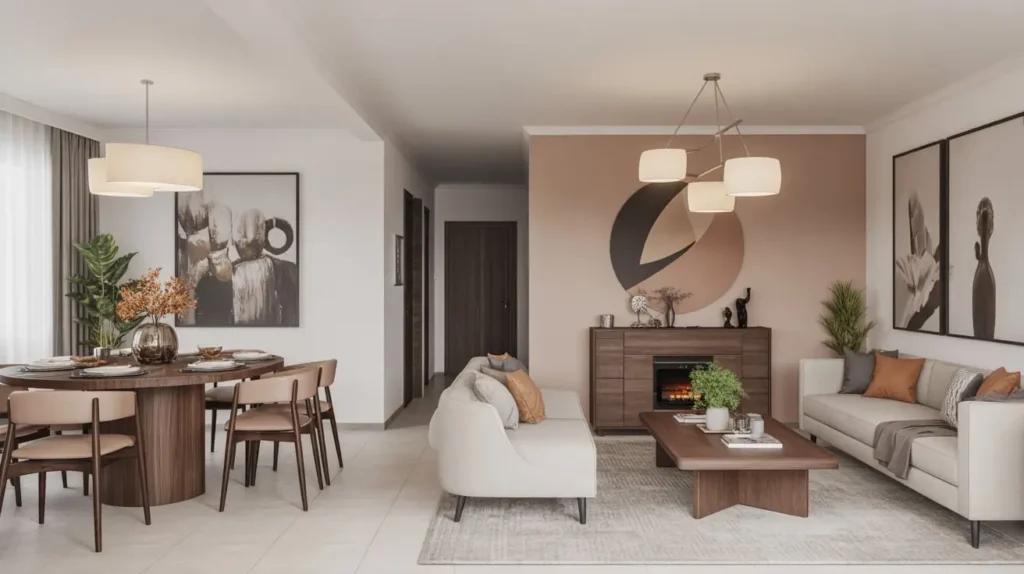
When Your Palette Does the Heavy Lifting
Sometimes the best way to create cohesion in a combo space centers on a carefully curated color palette that flows seamlessly between zones. Color coordination creates visual harmony while allowing you to mix styles, periods, and furniture pieces more freely.
This approach gave me so much freedom when I redesigned my own combo space. Once I committed to a palette (warm terracotta, cream, olive green, and natural wood), everything fell into place. Suddenly, my thrift store chair worked with my new sofa because they spoke the same color language.
Building Your Palette
Here’s how you coordinate without getting boring:
- Choose 3-4 main colors that appear in varying proportions throughout both spaces
- Use the 60-30-10 rule: 60% dominant color, 30% secondary, 10% accent
- Repeat colors across zones (pillows, art, rugs, accessories)
- Vary the intensity and saturation of your colors to create depth
- Include neutrals to give the eye resting spots
- Test colors in your actual lighting before committing (looks different at 3 PM versus 8 PM)
Add warmth by choosing warm-toned versions of your colors—think terracotta instead of true red, honey gold instead of lemon yellow, warm gray instead of cool gray. Layer in various textures within your color palette to prevent flatness. When everything coordinates colorwise, you create this pulled-together look that feels intentional and inviting. Your space whispers “I totally know what I’m doing” even if you’re secretly winging it.
Conclusion
Creating a cozy living and dining combo with warm vibes doesn’t require a massive budget or professional help—it requires intentional choices and understanding what creates warmth in a space. Whether you’re drawn to the clean lines of Japandi, the collected feel of boho, or the timeless appeal of traditional design, the common thread runs through all successful combos: they balance function with feeling.
The magic happens when you layer textures, manage your lighting thoughtfully, and choose pieces that make sense for how you actually live. You can steal elements from multiple ideas here—maybe you love the coastal color palette but want mid-century furniture, or perhaps you’re mixing glam accents into a minimalist base. The rules matter less than the overall warmth and cohesion you create.
Start with one idea that speaks to you, gather your key pieces, and build from there. Your living and dining combo should tell your story while serving your daily needs. And remember: the coziest spaces develop over time, so give yourself permission to evolve and adjust. You’ve got this—now go create that warm, inviting space that makes everyone (including you) want to stick around a little longer.