

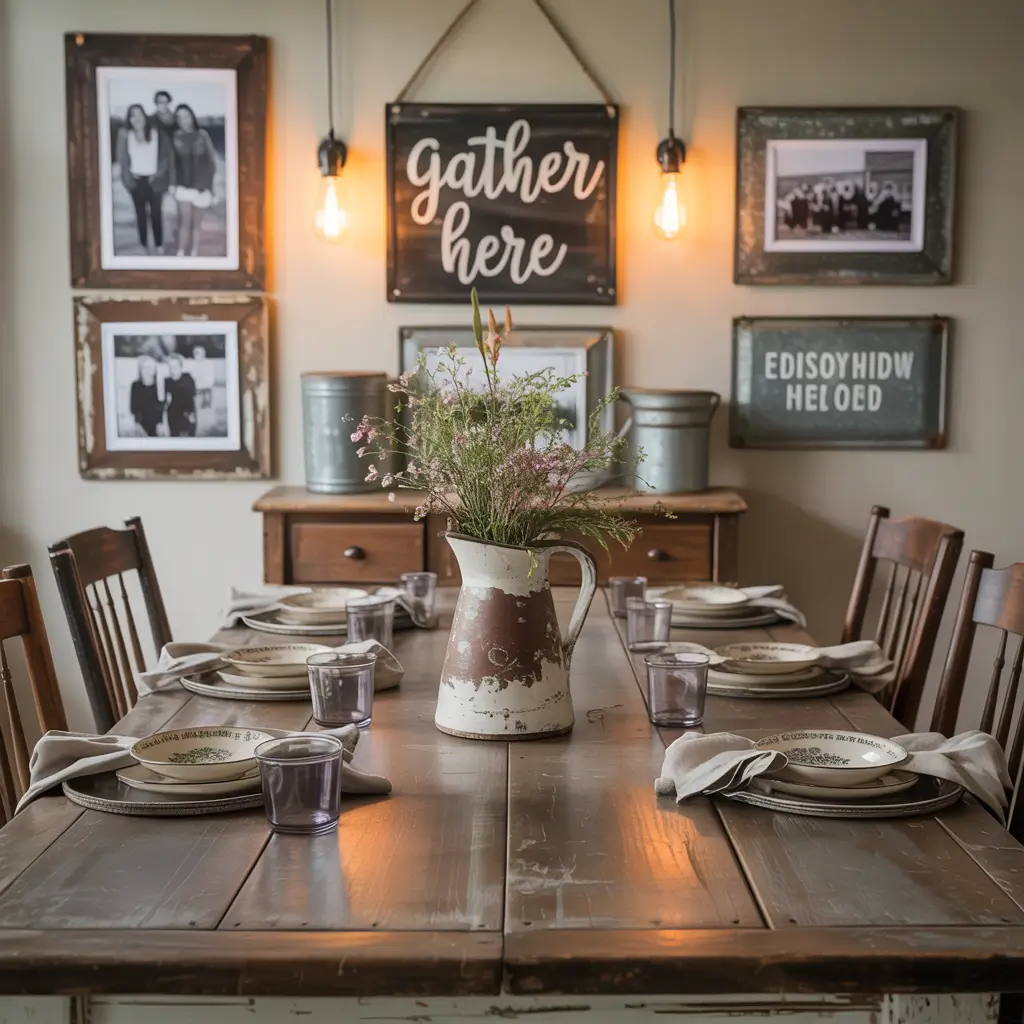
15 Gorgeous Rustic Farmhouse Kitchen Ideas for Every Home
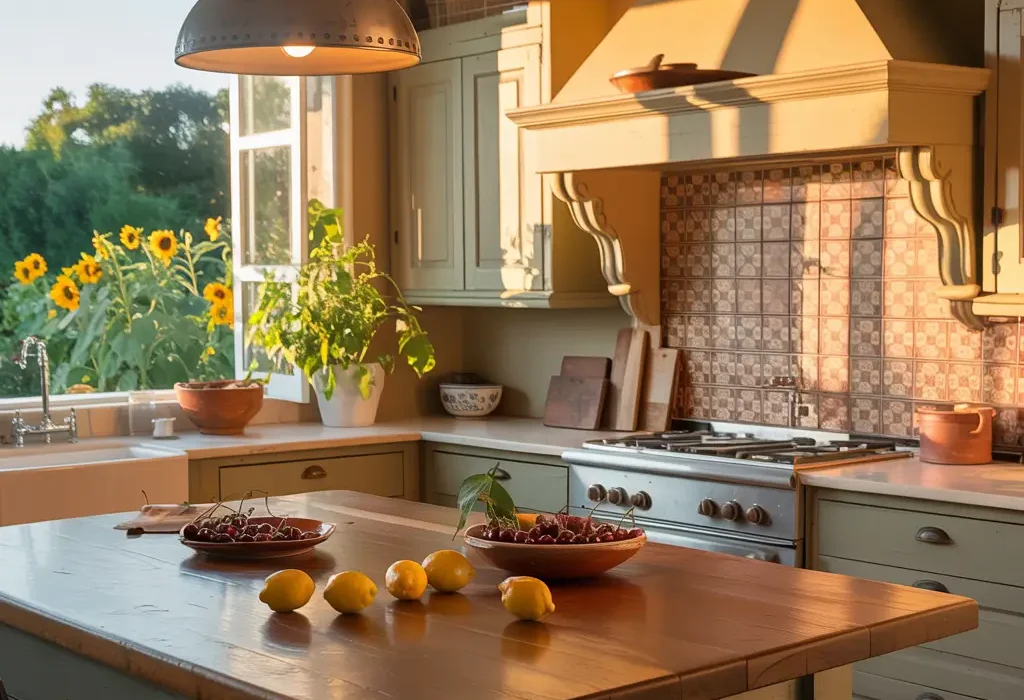
Look, I get it. You’re scrolling through Pinterest at 2 AM, falling down the rabbit hole of impossibly gorgeous farmhouse kitchens, wondering how you can transform your bland cooking space into something that looks like it belongs on a lifestyle blog. Been there, done that, got the mood board to prove it.
Here’s the thing about rustic farmhouse kitchens—they’re not just trendy (though they absolutely are). They bring warmth, character, and that lived-in feeling that makes a kitchen actually feel like the heart of your home. I’ve spent years obsessing over these designs, and I’m about to share 15 ideas that’ll make your kitchen go from “meh” to “wow, can I move in?”
Whether you’re working with a complete renovation budget or just want to add some farmhouse flair without breaking the bank, these ideas work for every home. Let’s get into it.
1. Reclaimed Wood Kitchen Island
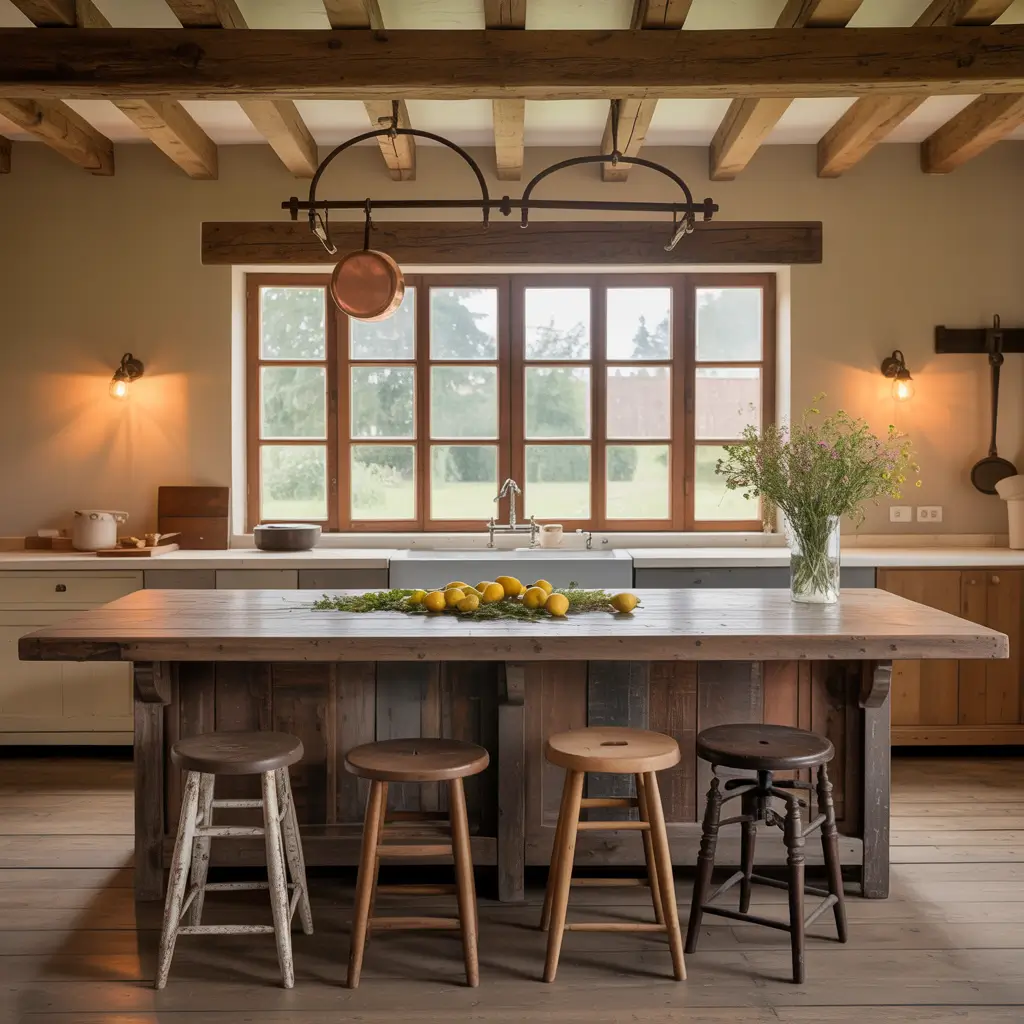
Can we talk about reclaimed wood for a second? There’s something absolutely magical about bringing weathered barn wood into your kitchen. I installed a reclaimed wood island in my kitchen last year, and honestly, it became the conversation starter at every single gathering.
Reclaimed wood islands bring instant character and history into your space. Each knot, scratch, and imperfection tells a story—maybe it was part of a 100-year-old barn, or salvaged from an old warehouse. You can’t fake that kind of authenticity.
Here’s what makes them work so well:
- Unique character: No two pieces look exactly alike
- Sustainability: You’re giving old materials new life
- Durability: Old-growth wood is often stronger than new lumber
- Versatility: Works as prep space, dining area, or storage
The best part? You don’t need to build the entire island from reclaimed wood. Sometimes just adding a reclaimed wood top to a basic base creates that rustic vibe without the hefty price tag. Smart, right?
Pro tip: Seal that wood properly! I learned this the hard way when red wine left a lovely permanent reminder on my first attempt. :/ Use a food-safe sealant that can handle kitchen spills and daily wear.
2. Vintage Farmhouse Sink Setup

Nothing—and I mean nothing—says farmhouse kitchen quite like a deep apron-front sink. These beauties are both gorgeous and wildly practical, which is a rare combo in the design world.
I remember installing my first farmhouse sink and immediately wondering how I ever lived without one. The depth means you can actually fit those giant stock pots without water splashing everywhere. Ever tried washing a baking sheet in a standard sink? Yeah, it’s a nightmare.
Why farmhouse sinks win every time:
- Deep basin: Handles large pots, pans, and roasting dishes with ease
- Front apron design: Reduces back strain when doing dishes (your lower back will thank you)
- Statement piece: Instantly elevates your kitchen’s aesthetic
- Material options: Cast iron, fireclay, copper, or even stainless steel
The traditional white fireclay sink remains my personal favorite. It’s classic, timeless, and somehow manages to look clean even when it’s not (though I don’t recommend testing that theory too often). The material stands up to heavy use and keeps looking fresh for decades.
Some people worry these sinks show scratches or stains. FYI, a little Bar Keepers Friend works absolute magic on fireclay—that stuff is seriously underrated.
3. Open Shelving with Rustic Accents

Okay, controversial opinion time: open shelving gets a bad rap it doesn’t deserve. Yes, you need to keep things organized. Yes, dust happens. But the visual impact and accessibility? Totally worth it.
I converted two of my upper cabinets to open shelving three years ago, and it transformed the entire feel of my kitchen. You get to display your pretty dishes (finally, a use for that collection you inherited from grandma), and everything you use regularly stays within easy reach.
Making open shelving work in a rustic farmhouse kitchen:
- Use reclaimed wood or rough-hewn shelves for authentic texture
- Mix vintage crocks, mason jars, and ceramic pieces for visual interest
- Display everyday items that look good and stay accessible
- Install sturdy brackets—ideally iron or aged metal for that farmhouse feel
The trick is curating what goes on display. I keep my mismatched coffee mugs, vintage cutting boards, and a few plants on mine. It feels collected rather than cluttered, which is the sweet spot you’re aiming for.
Don’t stress about perfect organization. A little messiness actually adds to the rustic charm. We’re going for “farmhouse casual,” not “museum display.”
4. Butcher Block Countertops
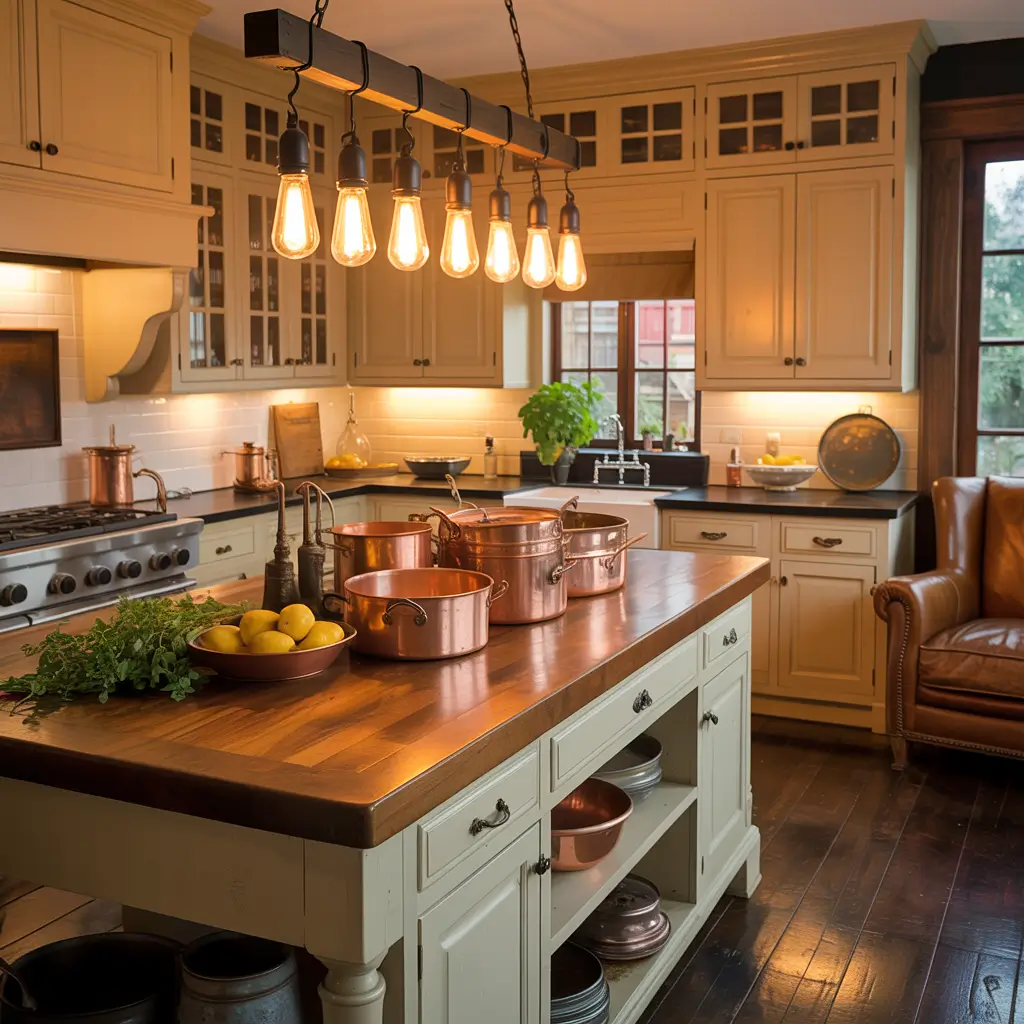
Let me tell you about butcher block countertops—they’re warm, welcoming, and surprisingly budget-friendly compared to granite or marble. Plus, you can actually cut directly on them, which feels oddly liberating after years of “don’t cut on the countertop!” anxiety.
The honey-toned wood brings natural warmth that softer materials just can’t replicate. I’ve had butcher block in two different kitchens now, and the way it ages and develops character over time? Chef’s kiss.
Why butcher block belongs in your farmhouse kitchen:
- Warm aesthetic: Creates an inviting, cozy atmosphere
- Repairable: Sand out scratches and water marks—try doing that with granite
- Affordable: Often costs half what stone countertops run
- Natural antibacterial properties: Wood naturally resists bacteria growth
- Food-safe surface: Actually designed for food prep
Yes, you’ll need to oil it regularly. Yes, you need to wipe up water quickly. But honestly, the maintenance becomes second nature faster than you’d think. I oil mine every few months, and it takes maybe 20 minutes total.
Want to keep it looking fresh? Use mineral oil or beeswax-based conditioner regularly. Your countertops will thank you by aging beautifully instead of looking beat up.
Also Read: 15 Creative Rustic Farmhouse Kitchen Island Ideas for Perfect Layouts
5. Exposed Beam Ceiling Kitchen
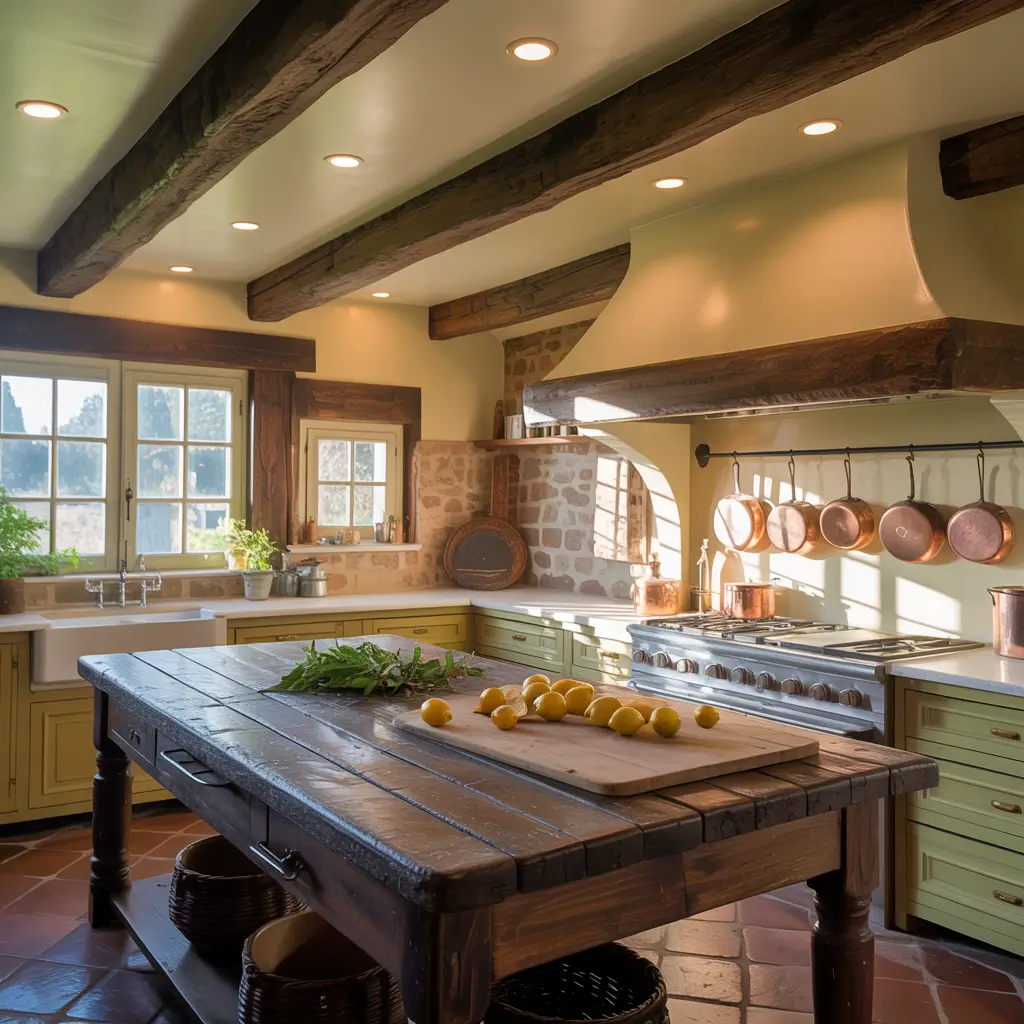
Nothing adds architectural drama quite like exposed wooden beams across your kitchen ceiling. They draw the eye upward, make the space feel larger, and add that structural element that screams authentic farmhouse.
I’ve seen exposed beams transform bland kitchens into spaces with serious character. Even if your home wasn’t built with original beams, you can add faux beams that look completely authentic—and honestly, most people can’t tell the difference.
Options for adding beams to your kitchen:
- Original structural beams: Expose existing beams if you’re renovating
- Reclaimed wood beams: Source authentic old beams for genuine character
- Faux beams: Lightweight hollow beams that look real (and way easier to install)
- Painted vs. natural: Both work, depending on your overall color scheme
Dark, weathered beams against white or cream ceilings create stunning contrast. I personally love the dramatic look of near-black beams, but lighter natural wood works beautifully too, especially in smaller kitchens where you want to avoid overwhelming the space.
The installation isn’t as scary as you might think, especially with faux beams. My brother installed his in a weekend with basic tools. Worth considering if you want major impact without major construction.
6. Rustic Sliding Barn Doors
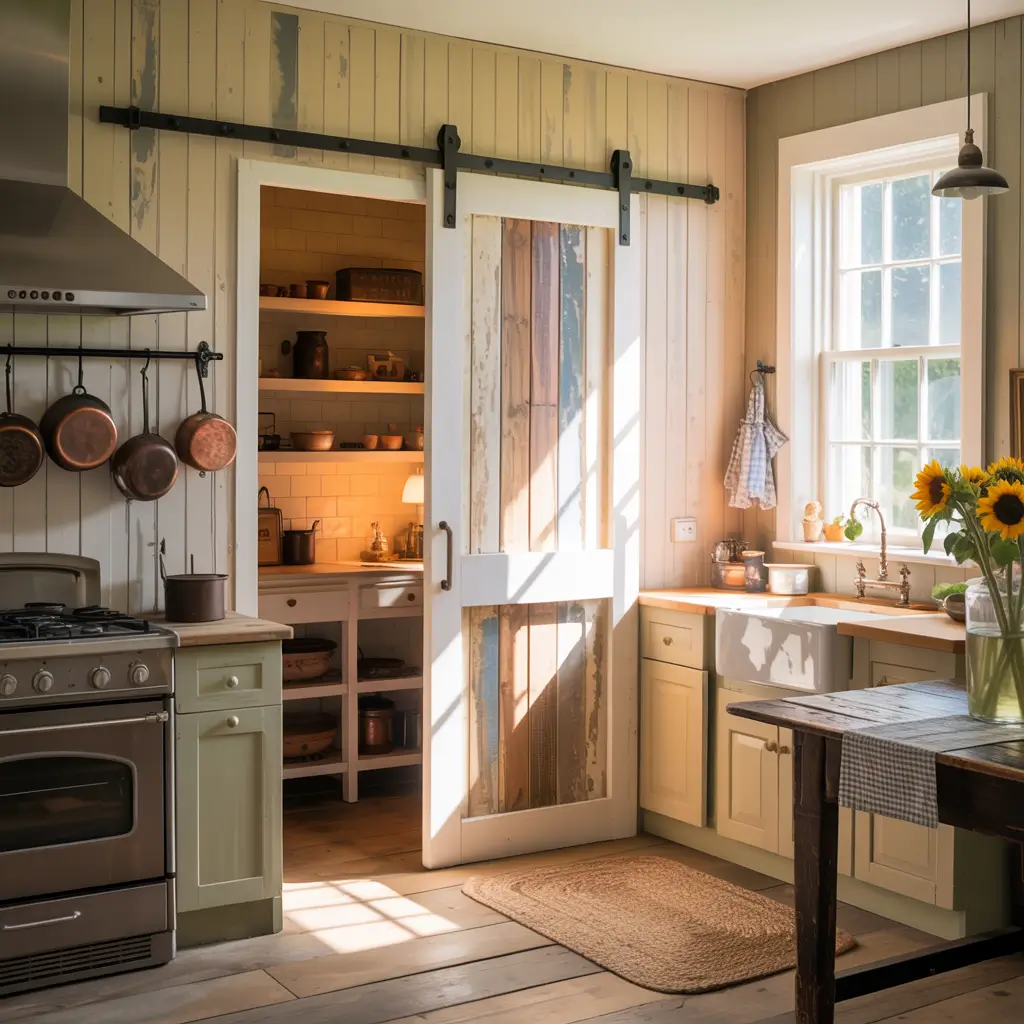
Sliding barn doors became trendy for good reason—they’re functional art. I installed one to separate my kitchen from the pantry, and it’s become the feature everyone mentions when they visit.
Beyond looking absolutely gorgeous, barn doors solve real problems. They take up way less space than traditional swinging doors, which matters in kitchens where every square foot counts. Plus, you can customize them to match your exact style.
Why barn doors work perfectly in farmhouse kitchens:
- Space-saving design: No clearance needed for door swing
- Customizable style: Paint, stain, or leave natural
- Architectural interest: Adds texture and visual weight
- Hardware as decor: The track and handles become design features
- Versatile placement: Pantries, cabinets, or room dividers
You can go full rustic with heavily distressed wood and black iron hardware, or keep things cleaner with painted wood and brushed nickel. Both approaches totally work.
Real talk though—make sure you install the track properly. A wobbly barn door loses all its charm real fast. I learned this when my first attempt at DIY installation resulted in a door that wouldn’t stay closed. Sometimes hiring a pro is worth it. 🙂
7. Mason Jar Storage Solutions

IMO, mason jars are the unsung heroes of farmhouse kitchen organization. Yes, they’re everywhere. Yes, they’ve become a bit of a cliché. But you know what? They’re classics for good reason.
I use mason jars for everything from dry goods storage to drinking glasses to vases for fresh herbs. They’re affordable, endlessly reusable, and they just look right in a farmhouse kitchen.
Creative ways to use mason jars in your kitchen:
- Dry goods storage: Pasta, rice, beans, flour, sugar—all look better in jars
- Spice organization: Small jars keep spices fresh and visible
- Utensil holders: Group wooden spoons, whisks, and spatulas by the stove
- Drinking glasses: Because why not?
- Herb gardens: Line your windowsill with growing herbs in jars
- Soap dispensers: Add a pump lid for instant farmhouse sink charm
The glass lets you see exactly what you have and how much remains, which actually helps reduce food waste. Turns out function and form can coexist peacefully.
I’ve collected vintage blue Ball jars over the years, and mixing those with clear jars adds nice visual variety. Check estate sales and antique shops—you can score amazing deals on the real vintage stuff.
8. Antique Farmhouse Cabinetry
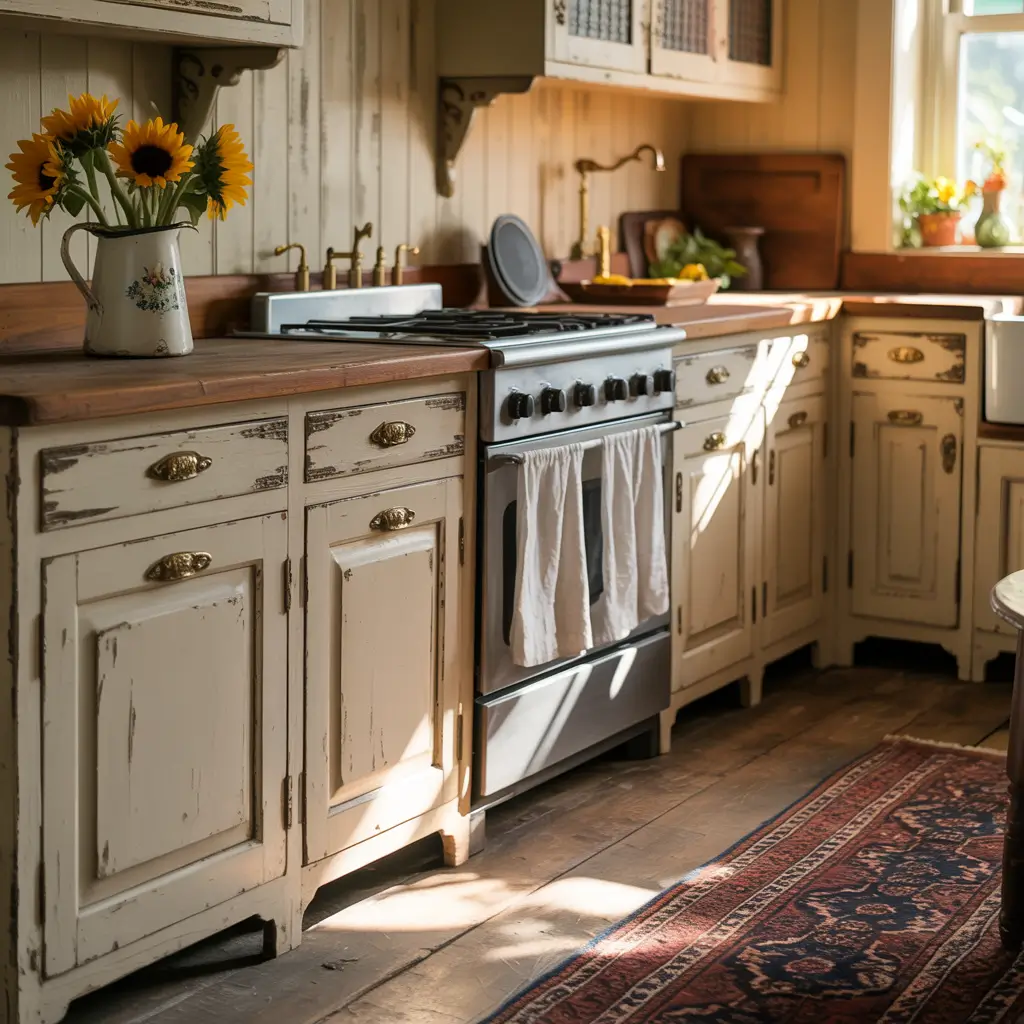
Here’s where you can really make a statement: antique or antique-style cabinetry brings instant authenticity to your farmhouse kitchen. I’m talking about cabinets with visible wood grain, beadboard details, glass-front uppers, and that slightly unfitted look that feels collected over time.
Modern cookie-cutter cabinets look, well, modern and cookie-cutter. Farmhouse cabinets should feel like they’ve been there forever, like maybe your great-grandmother cooked in front of them.
Elements that make cabinetry feel authentically farmhouse:
- Visible wood grain: Skip the super-smooth painted finish
- Mix of open and closed storage: Vary your cabinet types
- Glass-front uppers: Display pretty dishes and glassware
- Furniture-style details: Feet, corbels, and decorative molding
- Mismatched pieces: Different heights and styles look intentionally collected
You don’t need to gut your entire kitchen. Sometimes painting existing cabinets in a muted color (cream, sage green, or soft blue), adding new hardware, and removing a few doors for open shelving creates that farmhouse vibe without the renovation budget.
I painted my builder-grade oak cabinets a soft cream and added oil-rubbed bronze cup pulls. The transformation shocked me—same cabinets, completely different aesthetic.
9. Whitewashed Wood Flooring
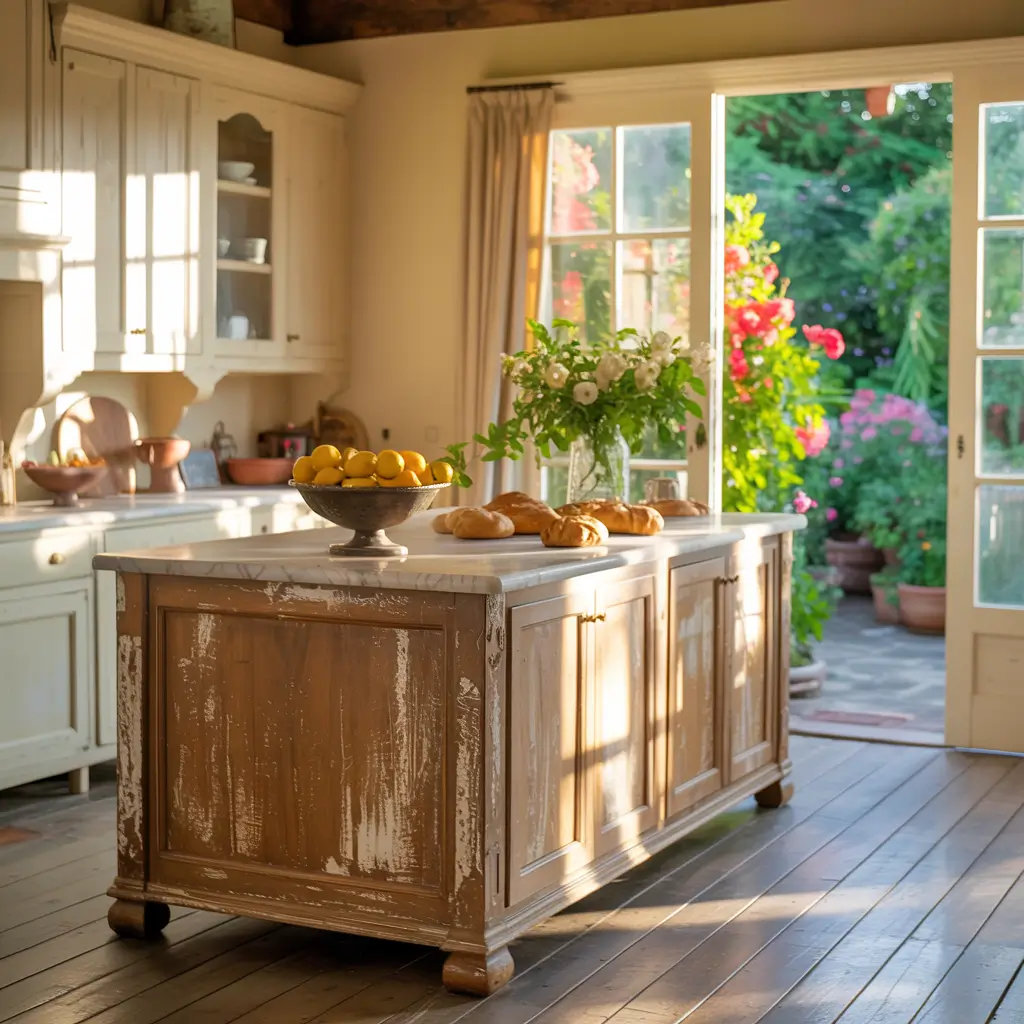
Whitewashed wood floors bring lightness and airiness while maintaining that rustic texture you want. They’re softer than stark white, more interesting than plain wood, and somehow manage to hide dirt better than you’d expect.
I was skeptical about light floors in a kitchen—seemed impractical. But after seeing them in person, I got it. They reflect light beautifully, make spaces feel larger, and create the perfect neutral backdrop for other design elements.
What makes whitewashed floors special:
- Brightens spaces: Reflects natural light throughout the room
- Versatile backdrop: Works with any color scheme
- Adds texture: You still see the wood grain through the wash
- Easier than you think: DIY-friendly if you’re handy
- Aged beautifully: Wear patterns actually add character
You’ve got options here—full whitewash, light limewash, or even painted floors with distressing. The technique varies, but the effect remains similar: bright, airy, and distinctly farmhouse.
Real wood works best, but I’ve seen laminate and luxury vinyl that mimics the look pretty convincingly. Not everyone can afford solid hardwood (raises hand), and modern alternatives have come a long way.
10. Copper Pendant Lighting

Can we appreciate copper pendant lights for a moment? They bring warmth, they develop gorgeous patina over time, and they catch light in ways that make your entire kitchen glow.
I hung three copper pendants over my kitchen island, and they’ve become my favorite design decision. The metal feels industrial enough to add edge but warm enough to maintain that cozy farmhouse vibe.
Why copper lighting works so well:
- Warm metallic tone: Complements wood and neutral palettes
- Living finish: Develops unique patina as it ages
- Light reflection: Bounces warm light throughout the space
- Mix-and-match friendly: Works with other metals
- Range of styles: From sleek modern to vintage industrial
You can go with polished copper that gleams like new pennies, or aged copper with that gorgeous verdigris patina. Both directions work—just depends on your overall vibe.
Mix copper with black iron or brass for an eclectic collected look. Farmhouse style celebrates mixing metals, so don’t stress about everything matching perfectly. That’s actually the point.
Also Read: 15 Inspiring Modern Farmhouse Kitchen Ideas for Every Space
11. Farmhouse Chalkboard Wall
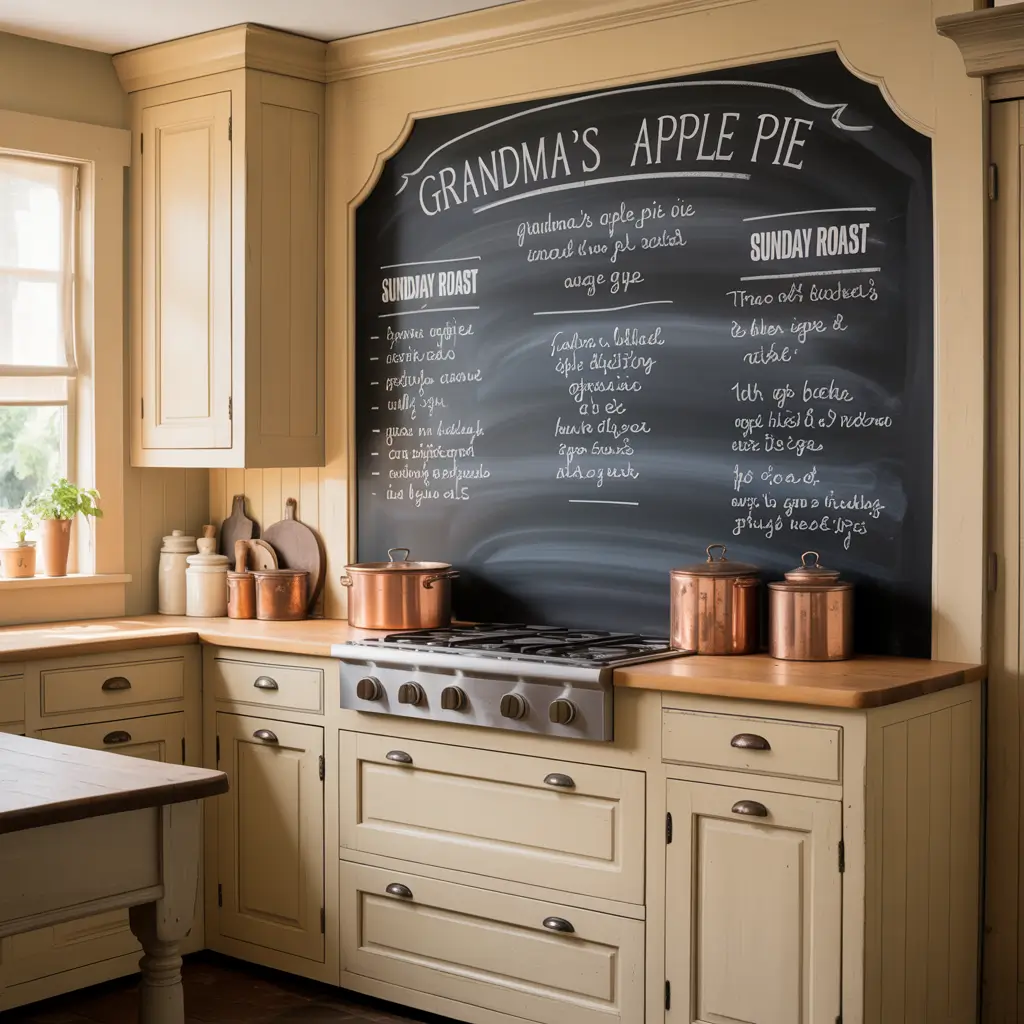
A chalkboard wall might sound elementary school, but hear me out—it’s crazy practical and adds serious farmhouse charm. I painted one wall of my kitchen with chalkboard paint, and it’s become our family command center, grocery list, and yes, occasional canvas for my kids’ artwork.
You get function (meal planning, shopping lists, recipes) and form (textural black wall that grounds the space). Plus, you can change what’s written whenever you want. Instant customization.
Smart ways to use a chalkboard wall:
- Meal planning: Write out the week’s menu
- Grocery lists: Add items as you run out
- Recipe display: Write out favorite recipes for easy reference
- Decorative quotes: Change them seasonally or as mood strikes
- Kid zone: Let them draw while you cook (genius distraction technique)
You don’t need an entire wall either. A chalkboard section, a framed chalkboard, or even a chalkboard backsplash works. I’ve seen small chalkboard sections on pantry doors that look adorable and stay functional.
Use good quality chalk or chalk markers for best results. The cheap stuff gets dusty and smudgy—learned that lesson the hard way through cloudy handwriting and dusty countertops.
12. Rustic Tile Backsplash
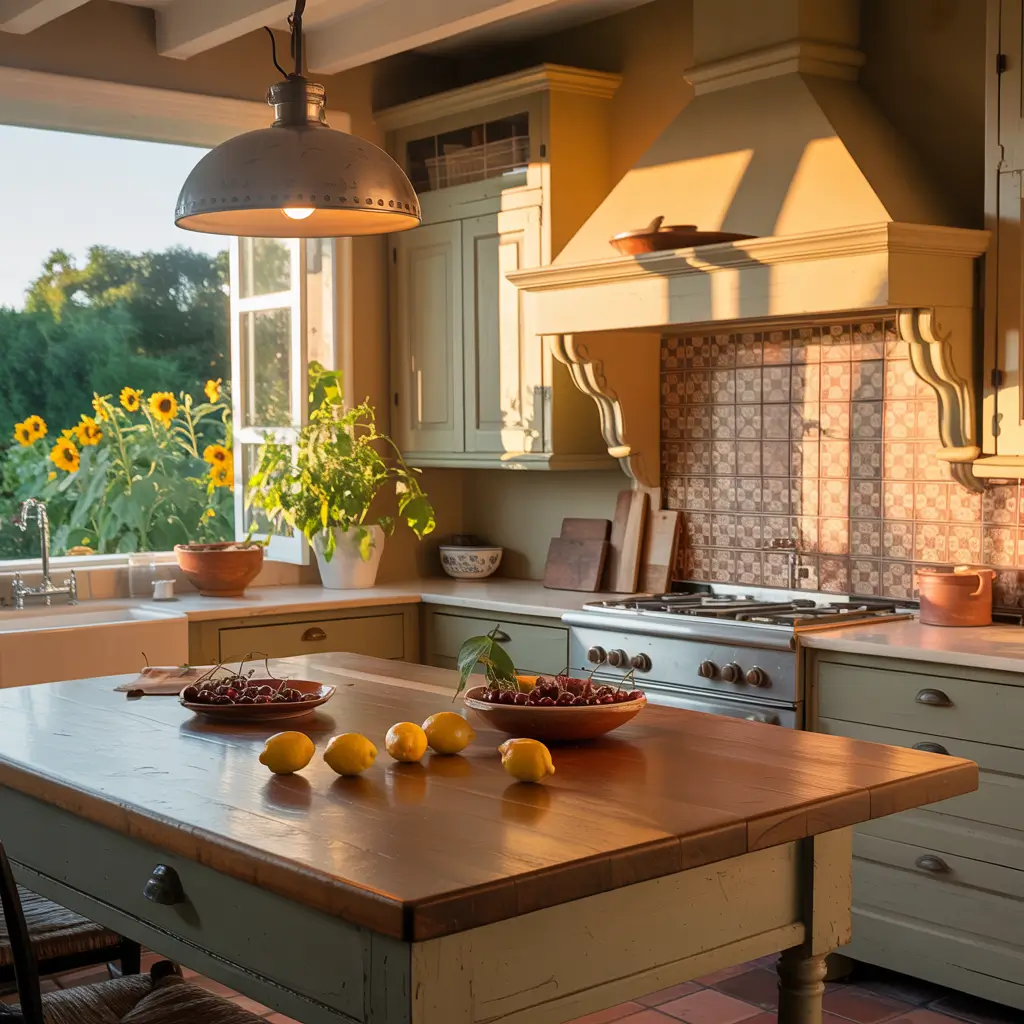
Your backsplash gives you permission to get creative without committing to something huge. I love rustic tile for this—subway tile with imperfect edges, handmade ceramics with variations, or even reclaimed brick.
The backsplash protects your walls from cooking splatter (because we all get messy sometimes), but it also brings texture and visual interest right at eye level. You see this surface constantly, so make it count.
Rustic backsplash options worth considering:
- Handmade subway tile: Imperfect edges and color variations add character
- Reclaimed brick: Thinly sliced brick creates authentic texture
- Natural stone: Slate, limestone, or travertine in earthy tones
- Patterned cement tile: Geometric designs with vintage feel
- Beadboard: Painted beadboard creates subtle texture
I went with cream subway tile with slightly irregular edges and dark grout. The imperfections make it feel handcrafted rather than mass-produced, and the dark grout hides staining way better than white.
Installation isn’t terribly complicated if you’re remotely handy. I did mine over a long weekend with help from YouTube tutorials. Saved a fortune on labor and felt ridiculously accomplished.
13. Cozy Breakfast Nook Corner
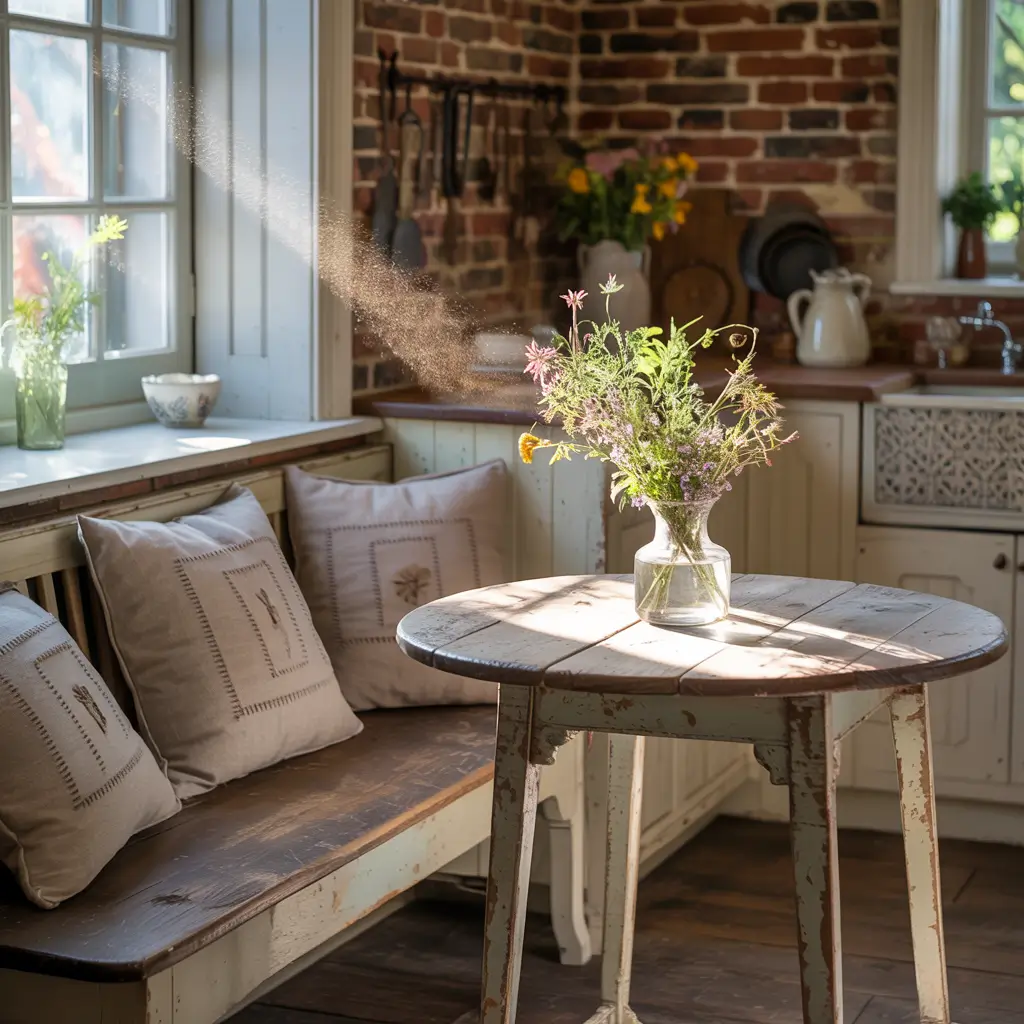
A breakfast nook transforms unused corner space into the coziest spot in your entire home. Built-in benches, a rustic table, some comfy cushions—suddenly you’ve created the place everyone wants to sit with morning coffee.
I carved out a tiny breakfast nook in my kitchen last year using an awkward corner that served no purpose. Added built-in bench seating with storage underneath, a small farmhouse table, and some vintage-inspired cushions. Now it’s literally everyone’s favorite spot.
Creating your perfect farmhouse breakfast nook:
- Built-in seating: Maximizes space and adds storage underneath
- Rustic table: Wood with visible grain, slightly distressed
- Comfortable cushions: Mix patterns and textures for collected feel
- Good lighting: Pendant or window light for morning brightness
- Personal touches: Pillows, artwork, plants
Windows nearby make breakfast nooks extra special—natural morning light with your coffee just hits different. If you don’t have window space, add a pendant light overhead to create that defined cozy zone.
Storage under bench seating is clutch for stashing extra linens, seasonal items, or kid stuff. Hidden storage dressed up as cute seating? Yes, please.
14. Farmhouse Style Pantry Organization
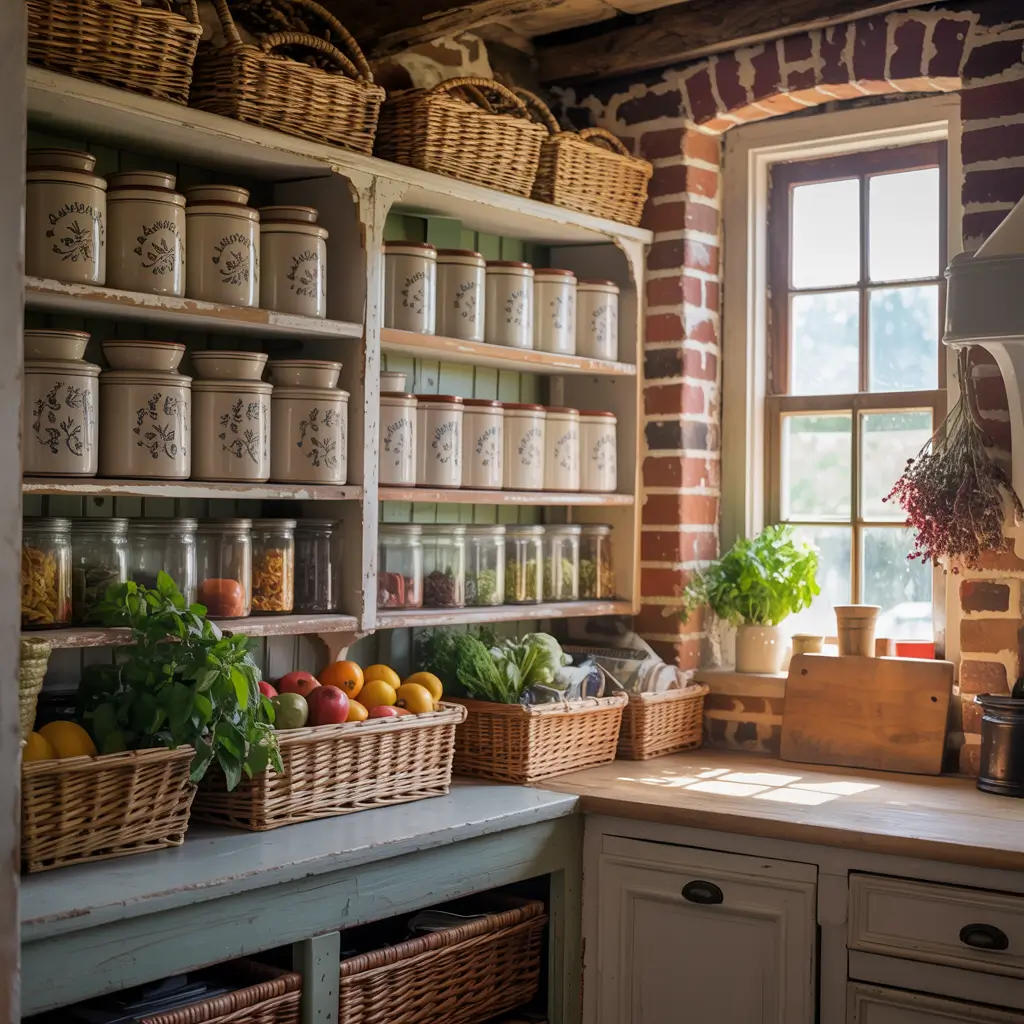
Let’s get real about pantry organization for a second. A well-organized pantry makes cooking easier, reduces food waste, and when done farmhouse-style, looks absolutely gorgeous with the door open.
I reorganized my pantry last spring using open bins, baskets, and labeled jars. The difference is honestly shocking—I actually know what I have, things don’t get lost in the back, and it looks like something from a magazine.
Farmhouse pantry organization essentials:
- Wire or wicker baskets: Group similar items together
- Glass jars: Transfer dry goods for visibility and freshness
- Wooden crates: Stack for produce or canned goods storage
- Chalkboard labels: Easy to change and super farmhouse
- Tiered shelving: See everything at a glance
- Lazy Susans: Genius for corners and deep shelves
The key isn’t just making it pretty (though that’s nice)—it’s creating systems that actually work for how you cook and shop. I group baking supplies together, breakfast items together, snacks together. Sounds obvious, but you’d be surprised how many pantries lack any organizational logic.
Clear containers let you see when you’re running low on staples. No more buying third boxes of pasta because you couldn’t see what you already had buried in there.
15. Rustic Mixed Metal Hardware
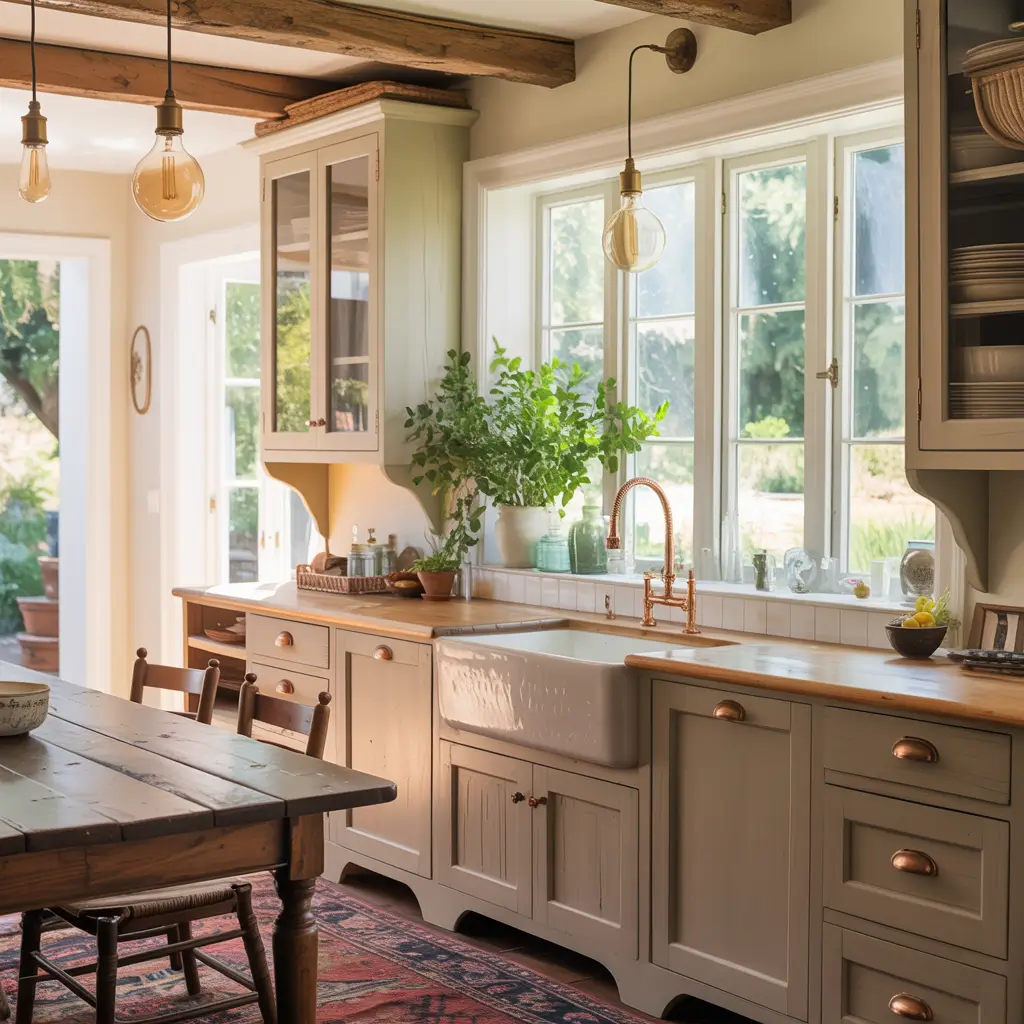
Here’s your permission to mix metals—seriously, stop stressing about matching everything perfectly. The farmhouse aesthetic celebrates collected-over-time pieces, and that includes your cabinet pulls, faucets, and light fixtures.
I mix oil-rubbed bronze cabinet hardware with brushed nickel faucets and copper lighting. Sounds chaotic, but it works because the underlying tones complement each other. The variety actually adds depth and interest.
Making mixed metals work in your kitchen:
- Stick to a color temperature: Warm metals together, cool metals together
- Vary the finish, not the tone: Mix matte and shiny in similar colors
- Distribute evenly: Don’t put all the copper in one corner
- Let one metal dominate: Use others as accents (maybe 60/30/10 ratio)
- Trust your eye: If it looks good to you, it works
Popular farmhouse metal combinations:
- Oil-rubbed bronze + copper + brass
- Matte black + brushed nickel + stainless
- Aged brass + black iron + copper
I started by choosing my faucet and sink (the priciest items), then built around those finishes. Cabinet hardware came last since it’s easier to swap out if I change my mind later.
The mixed metal trend gives you so much freedom. You’re not locked into one finish for everything, which means you can incorporate that gorgeous vintage piece you found or try a new trend without redoing your entire kitchen.
Final Thoughts
Look, transforming your kitchen into a rustic farmhouse dream doesn’t happen overnight, and it definitely doesn’t require doing everything at once. I’ve been tweaking mine for years, adding pieces as I find them and as budget allows.
Start small if you need to. Maybe begin with new cabinet hardware and some open shelving. Add a farmhouse sink next year. Install those exposed beams when you’re ready for a bigger project. The collected-over-time look actually feels more authentic than everything done at once anyway.
The beauty of farmhouse style is its flexibility—you can adapt these ideas to your space, your budget, and your personal taste. Want more rustic? Add rougher textures and darker woods. Prefer lighter farmhouse? Stick with whites, creams, and natural tones.
What matters most is creating a kitchen that feels warm, welcoming, and genuinely you. These 15 ideas give you a solid starting point, but trust your instincts. If something doesn’t feel right for your space, skip it. There’s no farmhouse police checking if you hit every trend.