

15 Stunning Yellow Farmhouse Kitchen Ideas for Small Kitchens
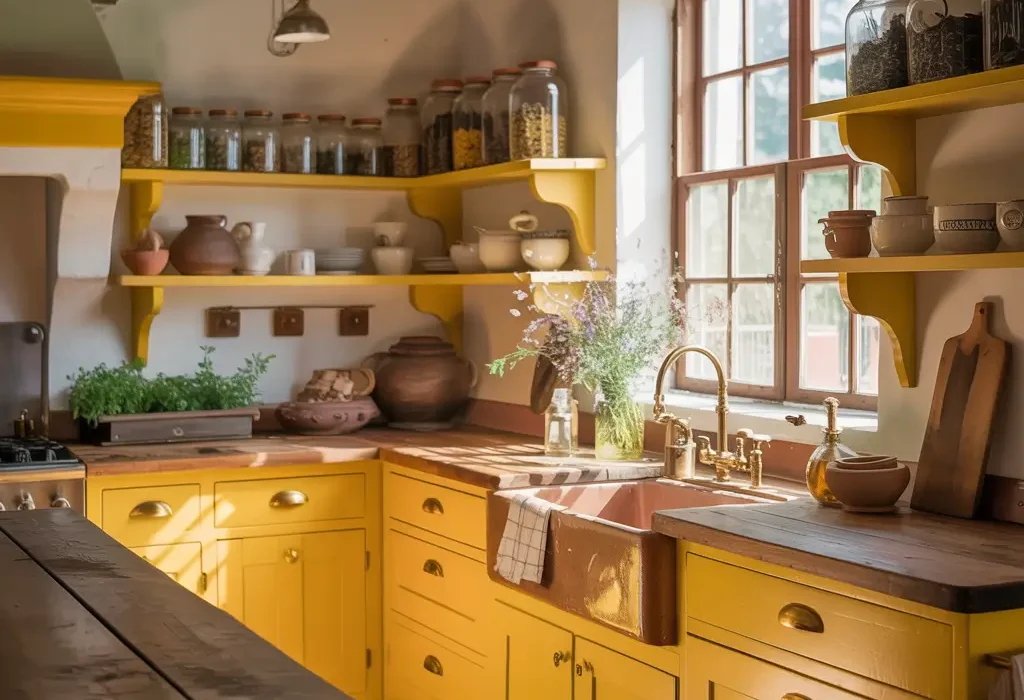
Look, I get it. You’ve got a small kitchen that feels more cramped than cozy, and you’re desperate to inject some personality without making it feel like a closet. Yellow farmhouse kitchens? They’re having a serious moment right now, and honestly, I’m here for it. There’s something ridiculously charming about combining the warmth of yellow with that rustic farmhouse vibe—especially when you’re working with limited square footage.
I’ve spent way too many weekends scrolling through kitchen transformations (no judgment, please), and I’ve noticed that yellow does something magical in small spaces. It brightens without overwhelming, adds character without clutter, and somehow makes your kitchen feel like the heart of a country cottage—even if you’re living in a city apartment. So grab your coffee, and let’s talk about 15 yellow farmhouse kitchen ideas that’ll transform your tiny cooking space into something Pinterest-worthy.
Sunny Yellow Cabinets with Rustic Wood Accounts
The Power of Painted Cabinets
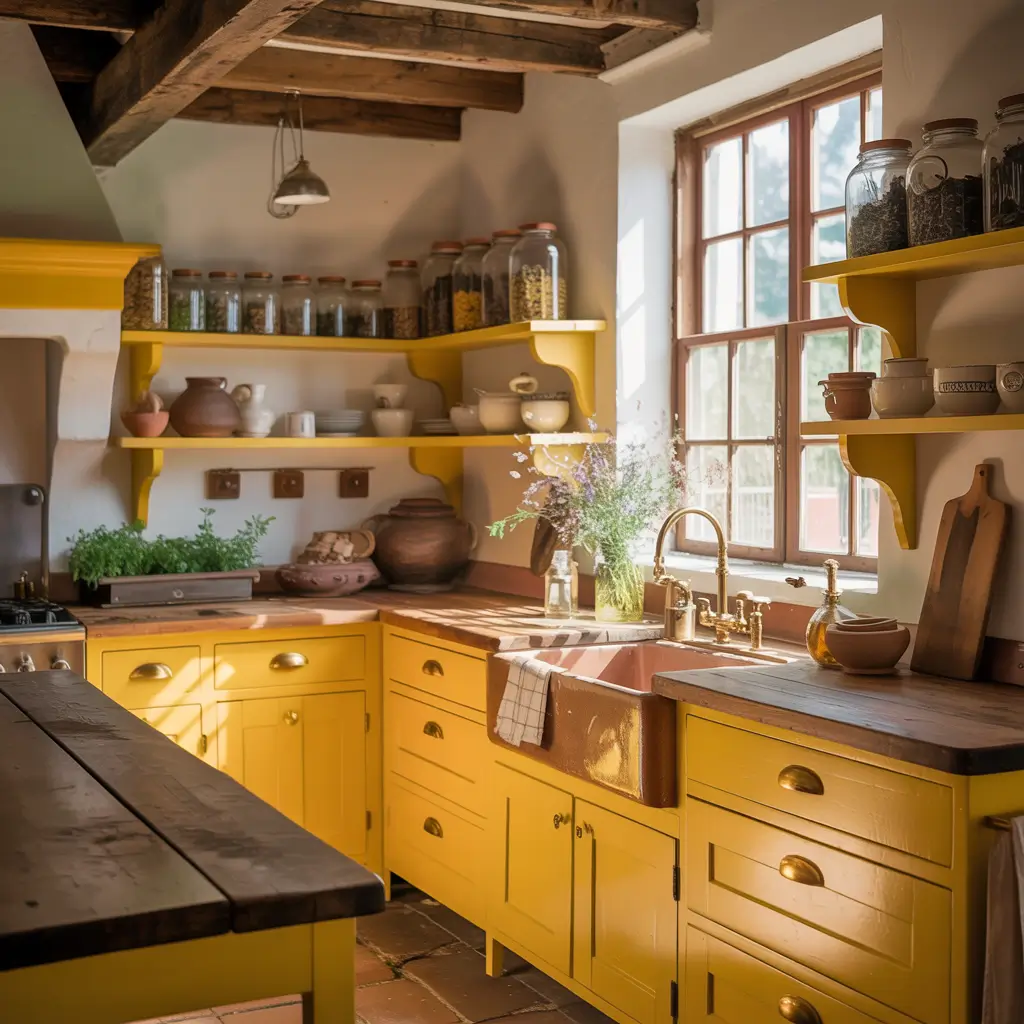
You know what instantly updates a kitchen without requiring a second mortgage? Paint. I’m talking about those builder-grade cabinets you’ve been staring at for years—the ones that scream “2005 called.” Painting them a sunny yellow shade completely changes the game.
Sunny yellow cabinets paired with rustic wood accents create this incredible contrast that feels both modern and timeless. Think butcher block countertops against cheerful yellow cabinet doors, or reclaimed wood open shelving breaking up the color. The wood tones ground the brightness and prevent your kitchen from looking like a highlighter exploded.
Here’s what I love about this combo for small kitchens:
- Yellow reflects light beautifully, making cramped spaces feel airier
- Wood accents add texture without competing for visual attention
- The farmhouse aesthetic keeps everything feeling warm, not sterile
- You can DIY this on a reasonable budget (trust me, I’ve done it)
Making It Work in Tight Spaces
For small kitchens, I recommend using the sunny yellow on lower cabinets if you’re nervous about too much color. Pair them with open wooden shelving up top, and suddenly you’ve created visual interest without boxing yourself in. The key? Balance. You want enough yellow to make a statement, but enough natural wood to keep things grounded.
Soft Butter Yellow Walls and Open Shelving
Why Butter Yellow Works Differently
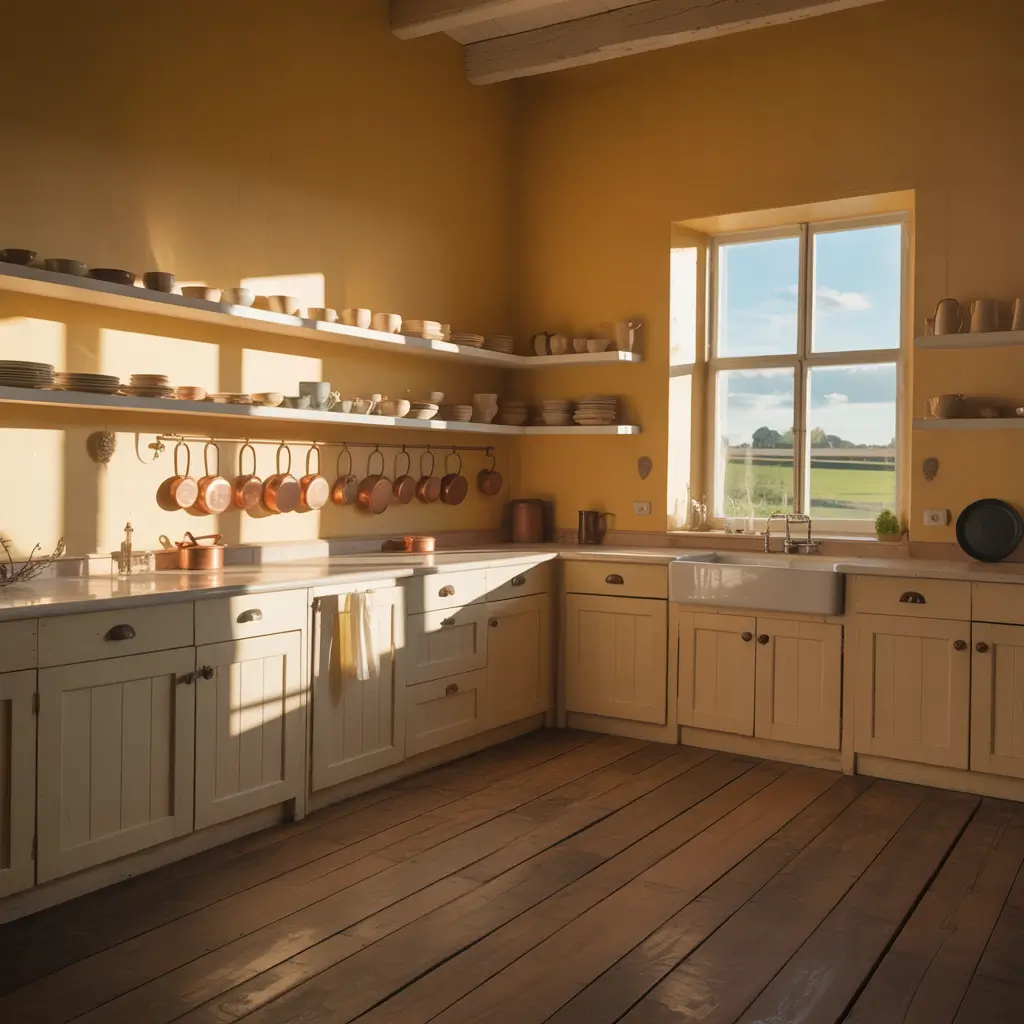
Okay, let’s talk about the difference between sunny yellow and butter yellow, because they’re not interchangeable. Butter yellow is softer, creamier, and way less likely to give you a headache after staring at it while doing dishes. IMO, it’s the perfect choice for small kitchen walls.
When you paint walls butter yellow and install open wooden shelving, you create depth without closing in the space. The shelving breaks up the color while giving you functional storage—which, let’s be real, you desperately need in a small kitchen.
The Open Shelving Advantage
I won’t lie—open shelving isn’t for everyone. If you’re the type who shoves random stuff wherever it fits, glass-front or closed cabinets might be your jam. But here’s why I’m a convert:
- Open shelves force you to edit your kitchen items (goodbye, chipped mugs collection)
- They make small kitchens feel less claustrophobic
- Displaying farmhouse-style dishes, mason jars, and rustic containers becomes part of your decor
- You save money on cabinet doors (cha-ching!)
Paint those walls a soft butter yellow, install some chunky wooden shelves, and watch your kitchen transform from “meh” to “wow, did you hire a designer?”
Yellow Farmhouse Kitchen Island with White Countertop
Islands in Small Kitchens? Yes, Really.
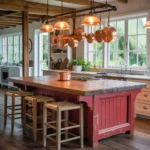
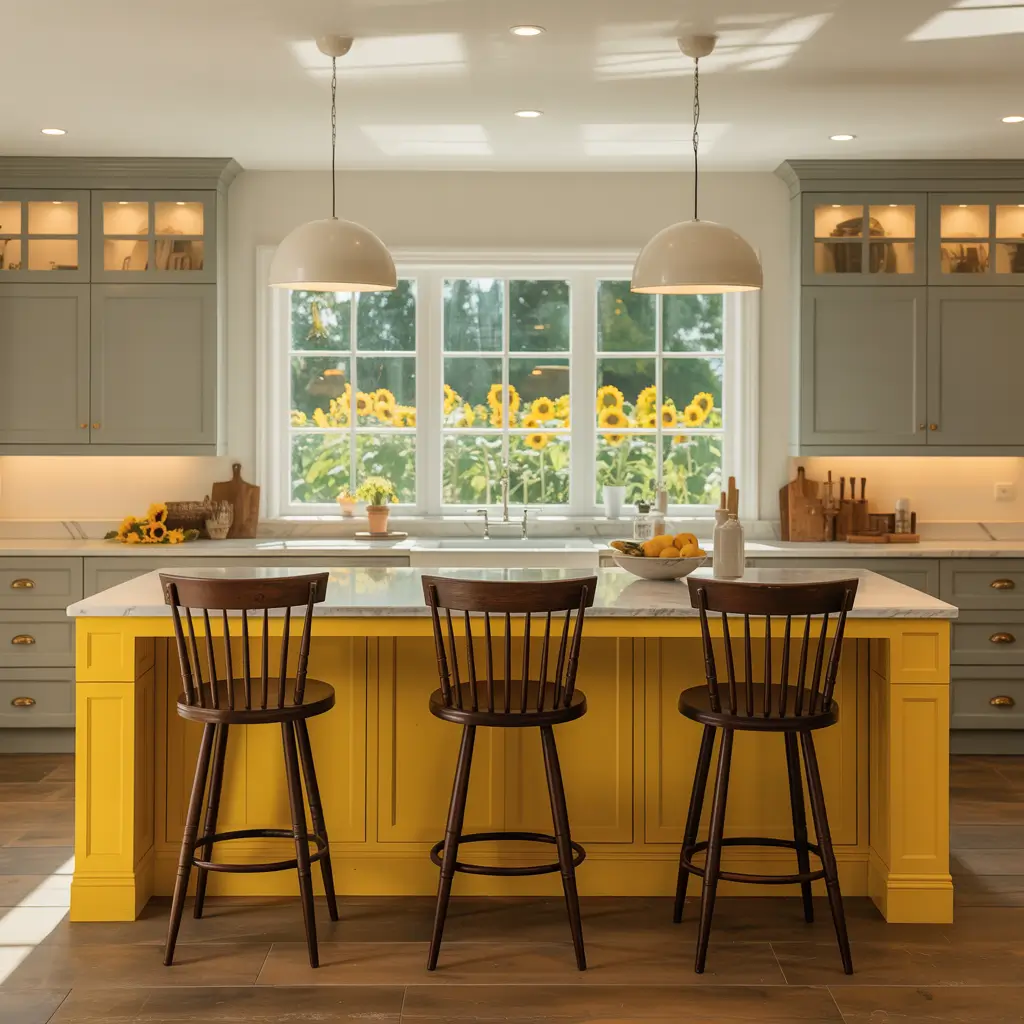
“But I have a small kitchen!” you’re probably thinking. “Where would I even put an island?” Here’s the thing—narrow farmhouse islands or moveable kitchen carts can work in surprisingly tight spaces. And when you paint them yellow with a crisp white countertop? Chef’s kiss.
A yellow kitchen island becomes the focal point that draws the eye and makes your kitchen feel intentional. The white countertop provides the perfect surface for food prep while creating that classic farmhouse contrast we’re after.
Size and Proportion Matter
FYI, I’m not suggesting you cram a massive island into a galley kitchen. Look for:
- Slim profiles (24-30 inches deep maximum)
- Rolling carts that you can move when you need floor space
- Islands with built-in storage (shelves, drawers, wine racks)
- Butcher block or marble-look white tops that complement yellow bases
I added a rolling yellow island to my previous kitchen, and it literally changed how I cooked. Extra prep space, adorable storage, and a pop of color that made me smile every morning. What’s not to love?
Vintage Yellow Hutch with Farmhouse Decor
The Hutch Comeback
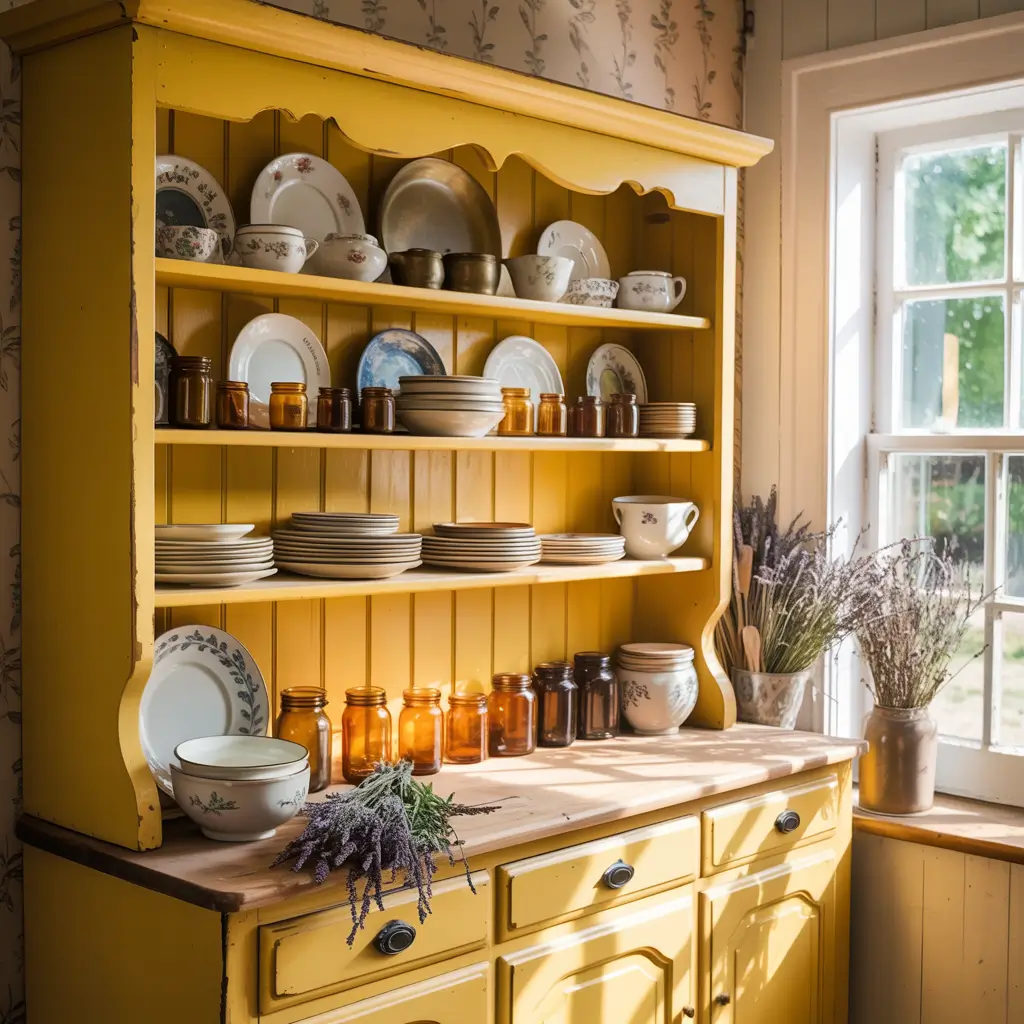
Vintage hutches are making a comeback, and I’m not mad about it. These tall, beautiful storage pieces were kitchen staples for generations, and they’re perfect for small spaces that need vertical storage solutions.
Picture this: a vintage hutch painted in a warm yellow shade, styled with white ironstone pitchers, vintage mixing bowls, and fresh flowers. It’s functional art that solves your storage problems while looking like it belongs in a French countryside kitchen.
Where to Find and How to Style
You don’t need to spend a fortune on a genuine antique (though if you find one at an estate sale, grab it!). I’ve scored amazing hutches at:
- Estate sales and auctions
- Facebook Marketplace (seriously, people give away gold)
- Thrift stores willing to hold furniture for pickup
- Grandma’s basement (ask nicely)
Once you’ve got your hutch, paint it yellow, distress it slightly for that authentic farmhouse feel, and style it with intention. Group items in odd numbers, vary heights, and don’t overcrowd the shelves. Less is more, even when you’re working with a statement piece.
Also Read: 15 Trendy Red Farmhouse Kitchen Ideas and Rustic Accents
Mustard Yellow Pantry Doors and Brass Hardware
The Door Opportunity
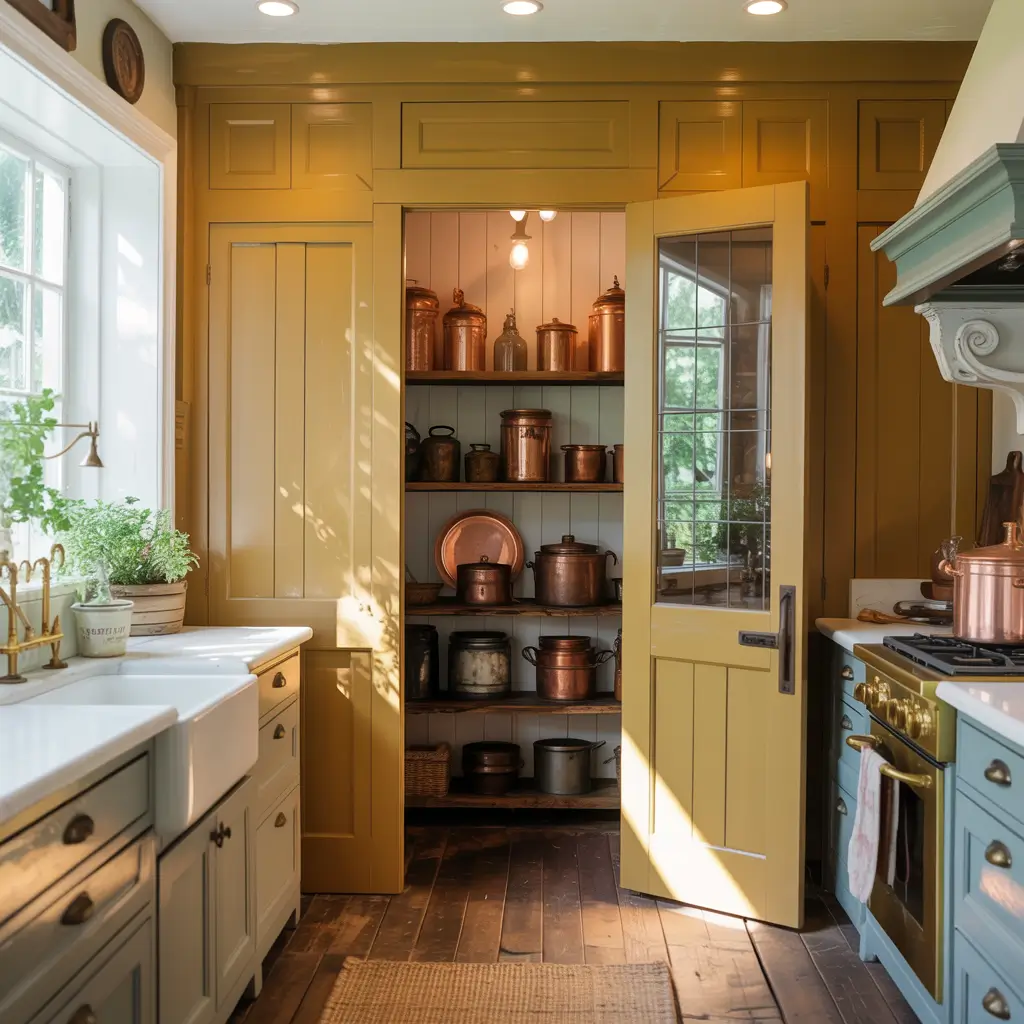
Everyone obsesses over cabinets and walls, but pantry doors are seriously underrated. If you’ve got a small kitchen with a pantry closet, painting those doors mustard yellow creates an unexpected pop of color that doesn’t overwhelm.
Mustard yellow is richer and more sophisticated than bright yellow—it’s got depth. When you pair it with brass or gold hardware, you get this gorgeous warm-toned combination that screams farmhouse elegance.
Hardware Makes the Difference
I cannot stress this enough: hardware matters. You can paint something the most gorgeous color, but if you slap cheap hardware on it, the whole look falls flat. For mustard yellow pantry doors, I recommend:
- Brass cup pulls for a vintage vibe
- Black iron handles for more contrast
- Antique bronze knobs for understated elegance
- Oversized statement handles if you’re feeling bold
The great thing about focusing color on pantry doors? It’s a small commitment. If you decide you hate it (you won’t), you can repaint without redoing your entire kitchen. Low risk, high reward.
Pale Yellow Subway Tiles with Wooden Beams
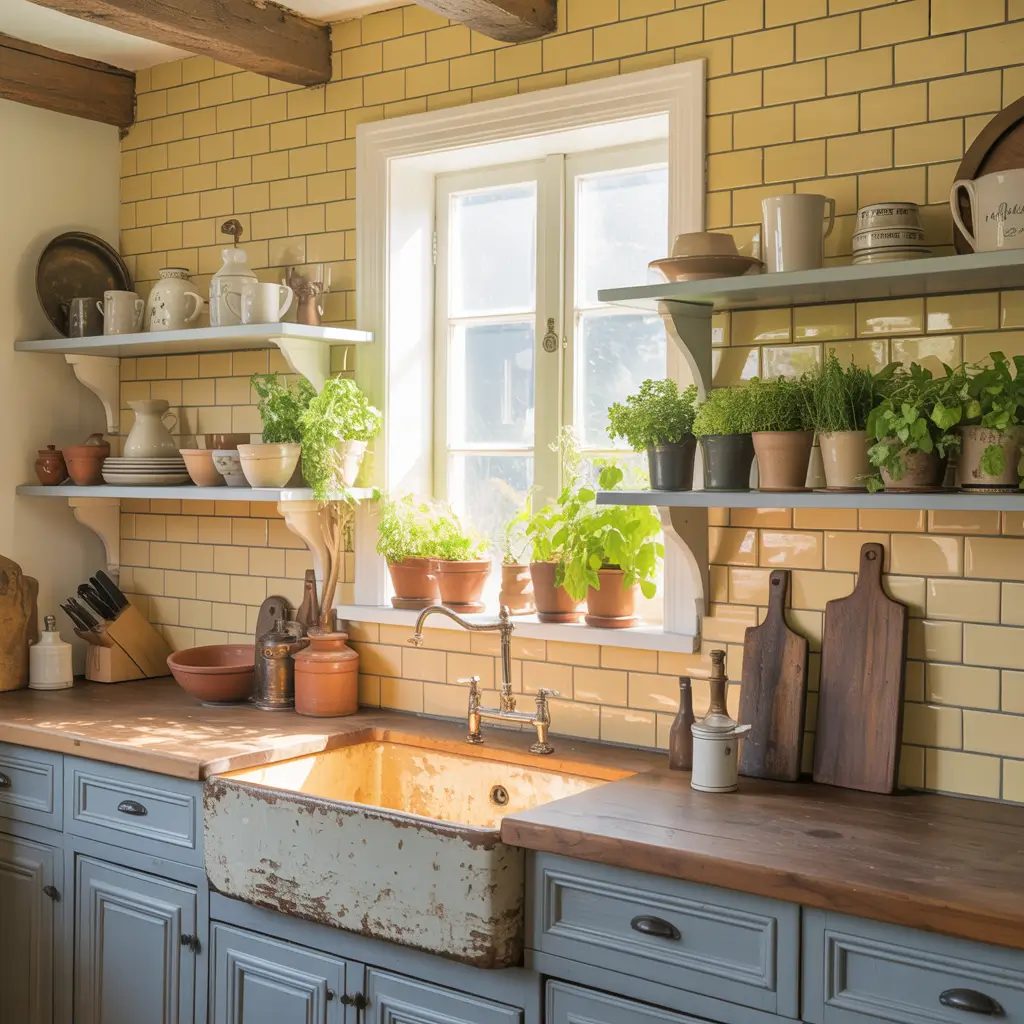
Subway Tiles Get a Yellow Makeover
White subway tiles are everywhere—and they’re boring. There, I said it. But pale yellow subway tiles? Now we’re talking. They maintain that classic, timeless subway pattern while adding subtle warmth that makes small kitchens feel inviting.
When you pair pale yellow subway tiles with exposed wooden beams (or faux beams if you’re not blessed with original architecture), you create incredible visual texture. The horizontal lines of the tile pattern plus the structural interest of beams give small kitchens dimension they wouldn’t otherwise have.
Installation Considerations
I’ll be honest—tiling isn’t the easiest DIY project, but it’s doable with patience and YouTube tutorials. A few tips:
- Use sanded grout in a light gray or cream to keep things soft
- Consider a herringbone or vertical pattern for visual interest
- Extend tiles to the ceiling if possible (it makes ceilings look higher)
- Seal everything properly (water + unsealed grout = future you crying)
The beauty of pale yellow? It catches light beautifully throughout the day without being in-your-face bright. Morning sun, afternoon light, evening ambiance—it all looks gorgeous.
Yellow Accented Farmhouse Lighting Fixtures
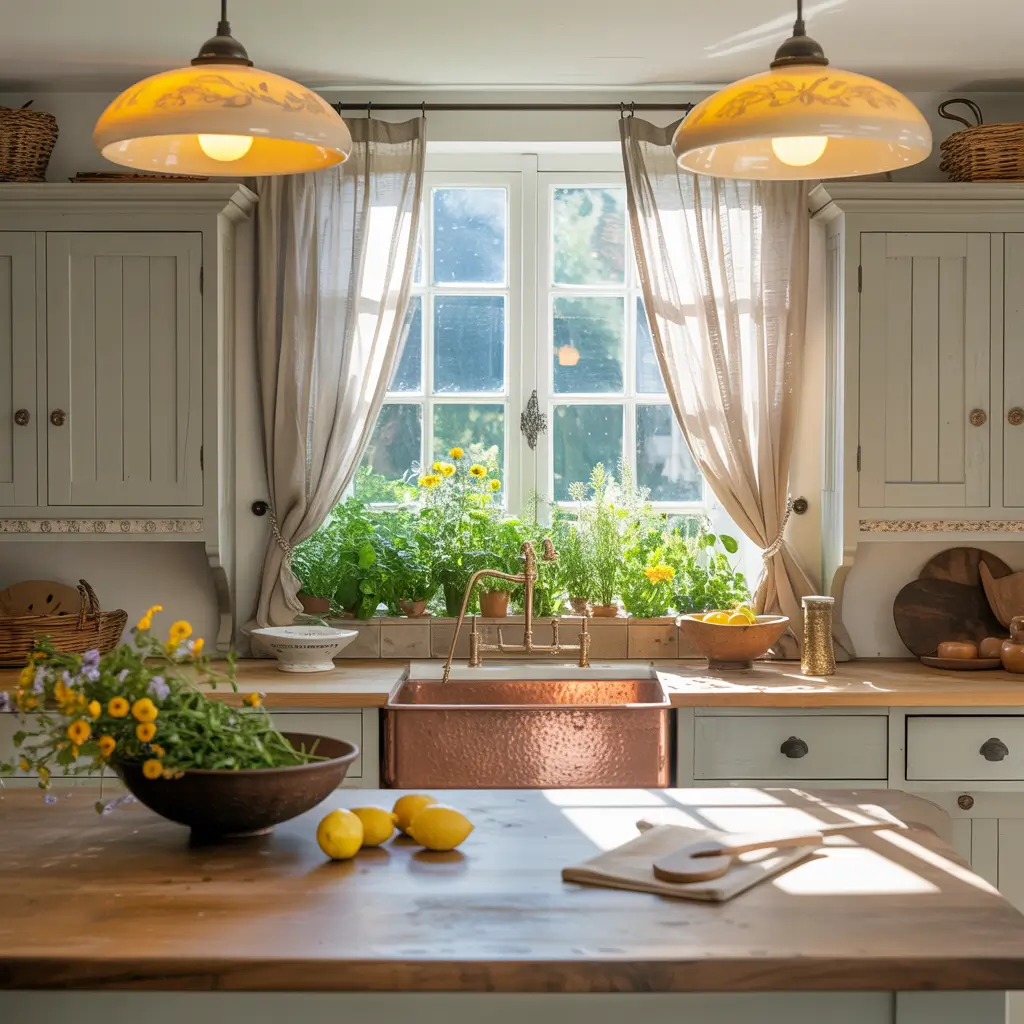
Let There Be (Yellow) Light
Okay, so maybe you’re not ready to commit to yellow walls or cabinets. I get it—commitment is scary. Start with yellow-accented lighting fixtures instead. Think pendant lights with yellow shades, yellow-painted chandelier arms, or vintage schoolhouse fixtures in sunny hues.
Lighting serves double duty: it’s functional (you need to see what you’re chopping), and it’s decorative. Yellow farmhouse lighting fixtures draw the eye upward, which is a brilliant trick in small kitchens because it makes the space feel taller.
Fixture Styles That Work
For authentic farmhouse vibes with a yellow twist, consider:
- Enamel pendant lights in soft yellow (perfect over islands or sinks)
- Wrought iron chandeliers with yellow candle sleeves
- Industrial-style fixtures with yellow cages
- Vintage mason jar pendants with yellow lids or tinted glass
I hung three yellow enamel pendants over my counter, and they became an instant conversation piece. Guests always comment on them, and they provide this warm, cozy glow that makes cooking dinner feel less like a chore and more like an experience.
Bright Lemon Yellow Backsplash with Neutral Cabinets
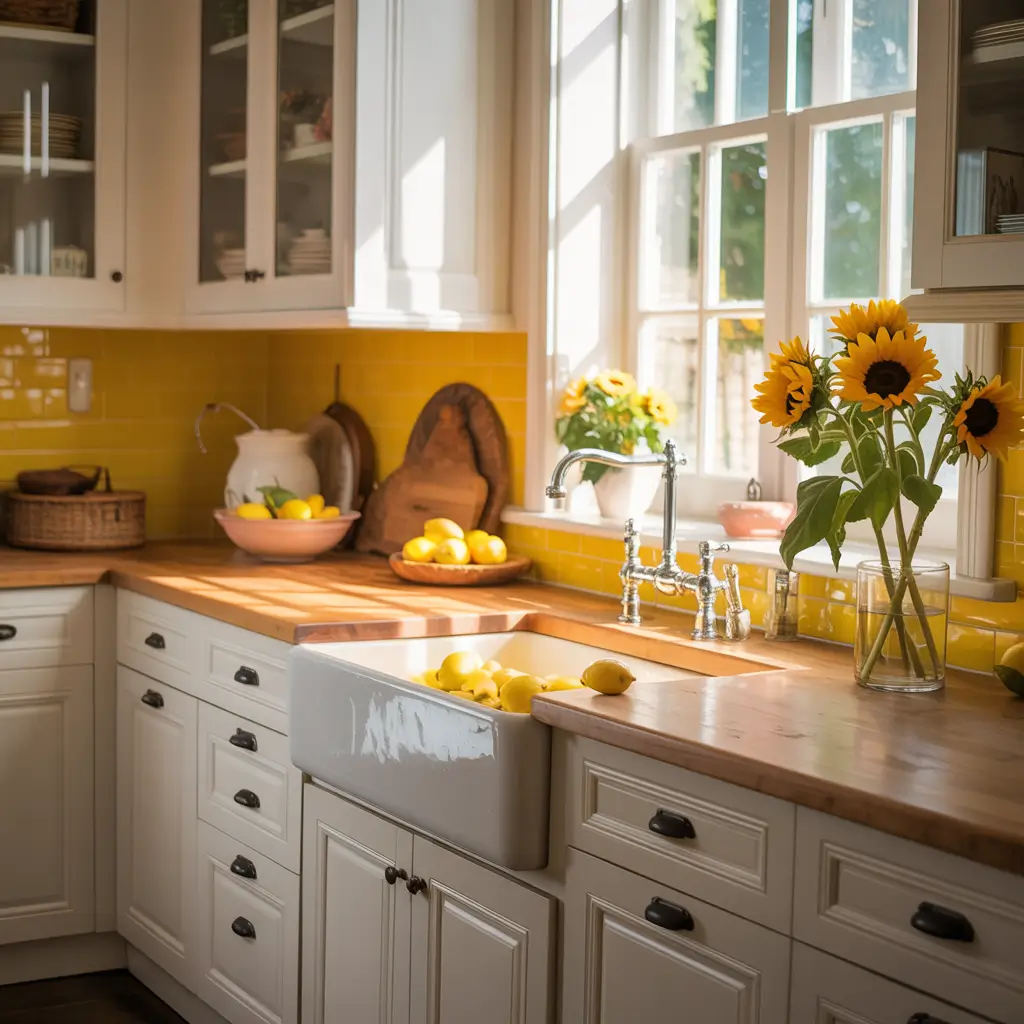
Go Bold or Go Home
If you’ve got neutral cabinets (white, gray, cream, or even wood tones), a bright lemon yellow backsplash adds the personality your kitchen desperately needs. This is the “go bold or go home” approach, and honestly? Life’s too short for boring kitchens.
The genius of this combination is balance. Your cabinets stay neutral and calm, so they don’t overwhelm the small space. But that backsplash? It’s the exclamation point that makes people go “whoa!” when they walk in.
Material Options
You’ve got options beyond traditional tile:
- Glass tiles in bright yellow (easy to clean, super glossy)
- Painted beadboard backsplash (budget-friendly and textured)
- Yellow-patterned cement tiles (if you’re feeling fancy)
- Peel-and-stick options for renters (yes, they’ve gotten way better)
The backsplash is relatively small square footage, which means you can splurge a bit on materials without breaking the bank. And because it’s the star of the show, you want something that photographs well—because you know you’re posting this on Instagram 🙂
Farmhouse Breakfast Nook with Yellow Cushions
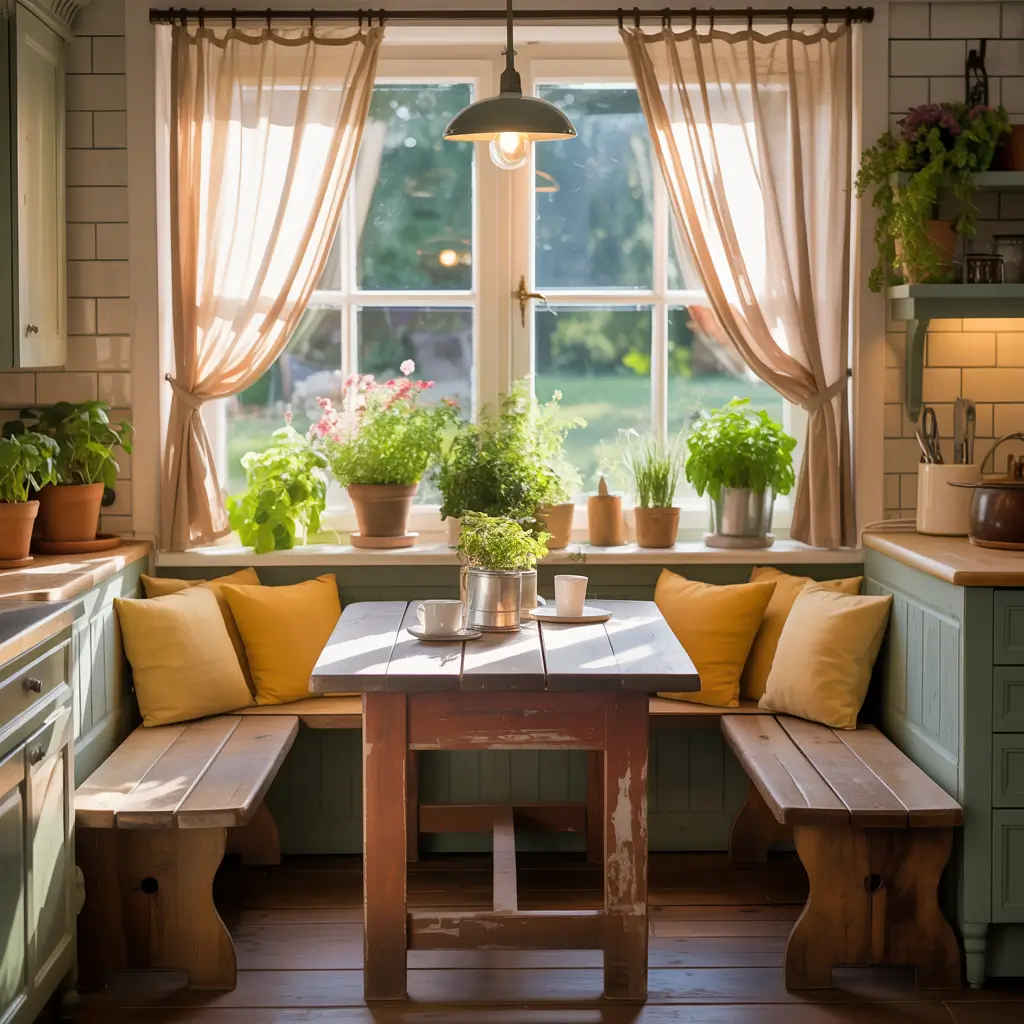
Creating a Nook in Small Spaces
Ever wonder why breakfast nooks feel so cozy? They carve out a specific zone for a specific purpose, and that intentionality makes spaces feel larger, not smaller. Even in a compact kitchen, you can create a breakfast nook with yellow cushions that becomes your favorite spot in the house.
Corner benches with storage underneath, a small round table, and bright yellow cushions transform dead space into a functional, adorable eating area. The yellow cushions tie into your farmhouse kitchen theme while adding comfortable seating.
Making It Farmhouse-Fresh
Here’s how you nail the farmhouse breakfast nook aesthetic:
- Choose gingham, ticking stripe, or solid yellow fabrics for cushions
- Add throw pillows with farmhouse sayings (or skip them if that’s too cutesy)
- Use a vintage or reclaimed wood table
- Hang a simple light fixture above for ambiance
- Style with fresh flowers or a small plant
I created a tiny breakfast nook in my last kitchen using a corner I’d previously wasted. Yellow cushions brightened the space, and I found myself actually eating breakfast there instead of standing over the sink like a barbarian. Small wins, people.
Distressed Yellow Cabinet Doors with Chalkboard Labels
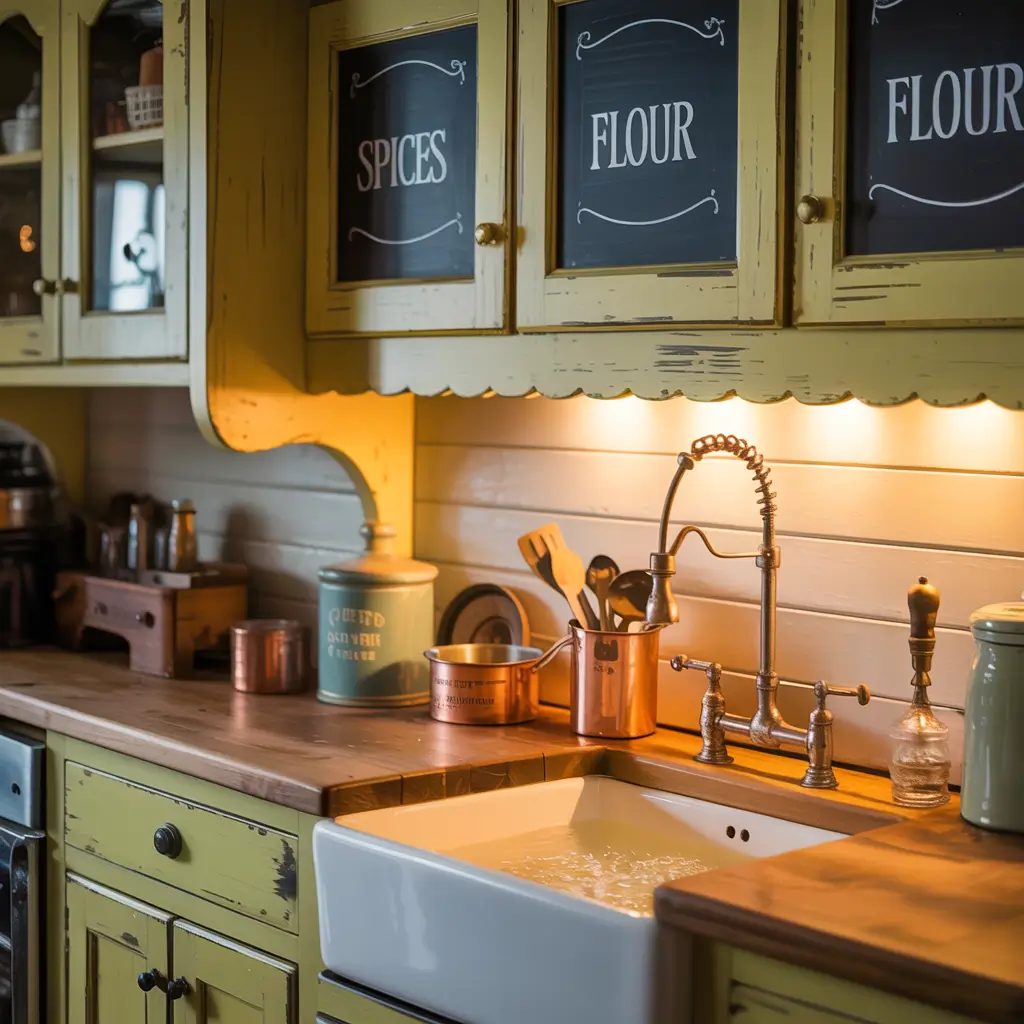
The Distressed Look Explained
Distressed furniture divides people—you either love it or you think it looks like you gave up halfway through painting. I’m firmly in the “love it” camp, especially for farmhouse kitchens. Distressed yellow cabinet doors have character and history (even if that history is you strategically sanding them last weekend).
When you add chalkboard labels to distressed yellow cabinets, you get function plus style. You can label what’s inside each cabinet (helpful for guests and partners who somehow never remember where you keep the coffee mugs), and you can change the labels whenever you reorganize.
DIY Distressing Technique
Want to distress your yellow cabinets without ruining them? Here’s my foolproof method:
- Paint cabinets your chosen yellow shade
- Let them dry completely (patience, grasshopper)
- Lightly sand edges, corners, and high-traffic areas
- Wipe away dust with a damp cloth
- Seal with a matte polyurethane for protection
For chalkboard labels, you can buy adhesive chalkboard squares or paint small areas directly on cabinet fronts with chalkboard paint. Write your labels with chalk markers for a cleaner look that won’t smudge.
Also Read: 15 Gorgeous Vintage Farmhouse Kitchen Ideas and Timeless Looks
Yellow Window Trim with Rustic Farmhouse Curtains
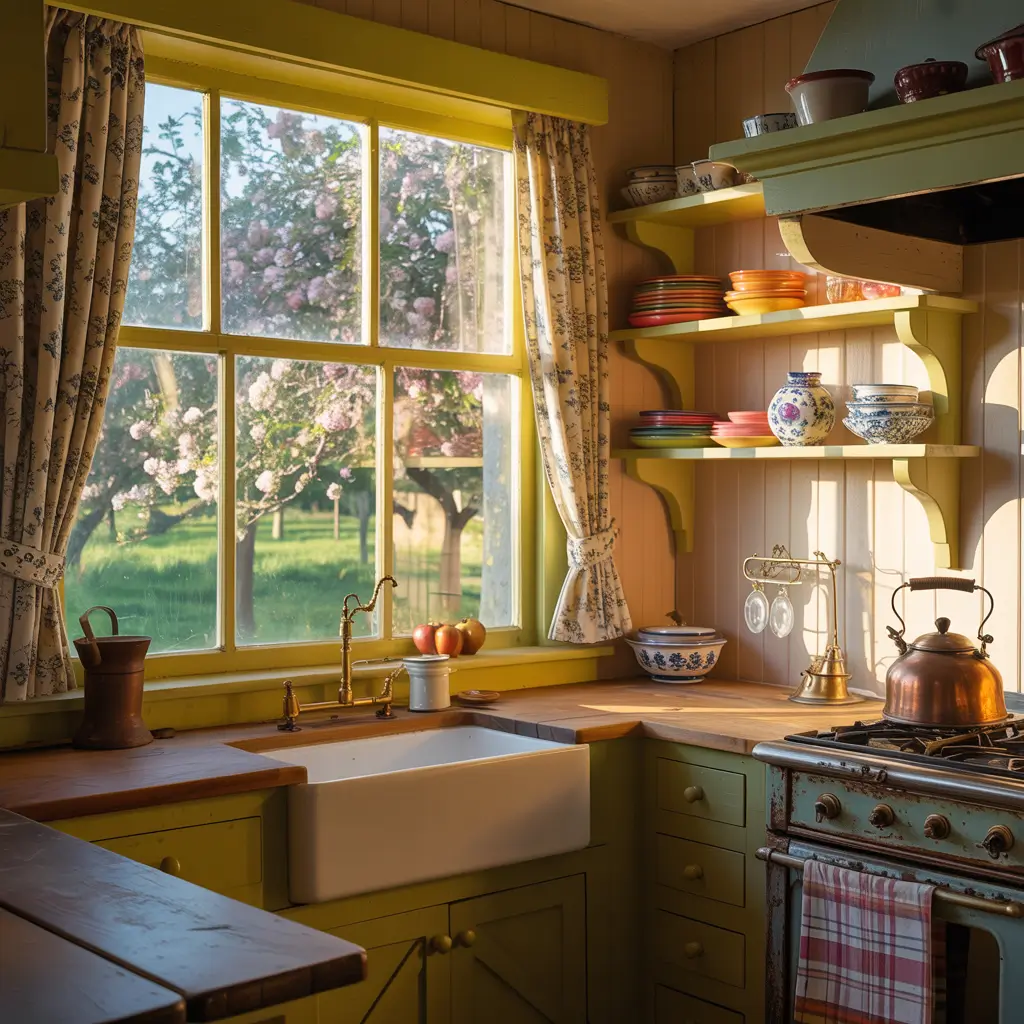
Trim Gets Its Moment
Most people paint window trim white or cream and call it a day. Predictable. Boring. Safe. But yellow window trim? That’s the kind of unexpected detail that makes designers (and Pinterest addicts like me) squeal with delight.
Yellow window trim frames your views and draws attention to natural light sources—crucial in small kitchens where every bit of brightness counts. Pair it with rustic farmhouse curtains in linen, burlap, or simple cotton, and you’ve created a focal point that costs virtually nothing.
Curtain Style Matters
The right curtains complete this look:
- Cafe curtains that cover only the lower half (maximize light)
- Simple linen panels in cream or white
- Gingham or check patterns that incorporate your yellow shade
- No curtains at all if you’ve got great natural light and privacy
I painted my window trim a soft yellow and hung simple cream linen cafe curtains. The transformation took maybe three hours total, and suddenly my kitchen window looked intentional and styled instead of builder-grade basic.
Bold Yellow Kitchen Rugs and Farmhouse Bar Stools

Rugs That Pop
Listen, kitchen rugs get a bad rap because people choose boring ones. A bold yellow kitchen rug protects your floors, adds comfort underfoot, and introduces pattern and color without permanent commitment. It’s basically the gateway drug to yellow farmhouse kitchens.
Layer a yellow runner along your main work zone, or place a yellow area rug under a small dining table. The color energizes the space and hides the inevitable spills and crumbs (because we’re real people who actually cook, right?).
Bar Stools as Accent Pieces
If you’ve got a counter or small island, farmhouse bar stools with yellow elements complete the look. You can go full yellow stools or choose wood/metal stools with yellow cushions. Either way, you’re reinforcing your color theme while adding necessary seating.
What to look for in farmhouse bar stools:
- Wood or metal frames (avoid anything too modern or sleek)
- Backless designs for small spaces (they tuck under counters)
- Yellow cushions or painted elements
- Distressed or vintage finishes
I scored two vintage bar stools at a garage sale for $15 total, painted them yellow, and added simple cushions. They’re my favorite kitchen purchase ever, and they literally cost less than dinner at a mid-range restaurant.
Two-Tone Yellow and White Farmhouse Cabinets
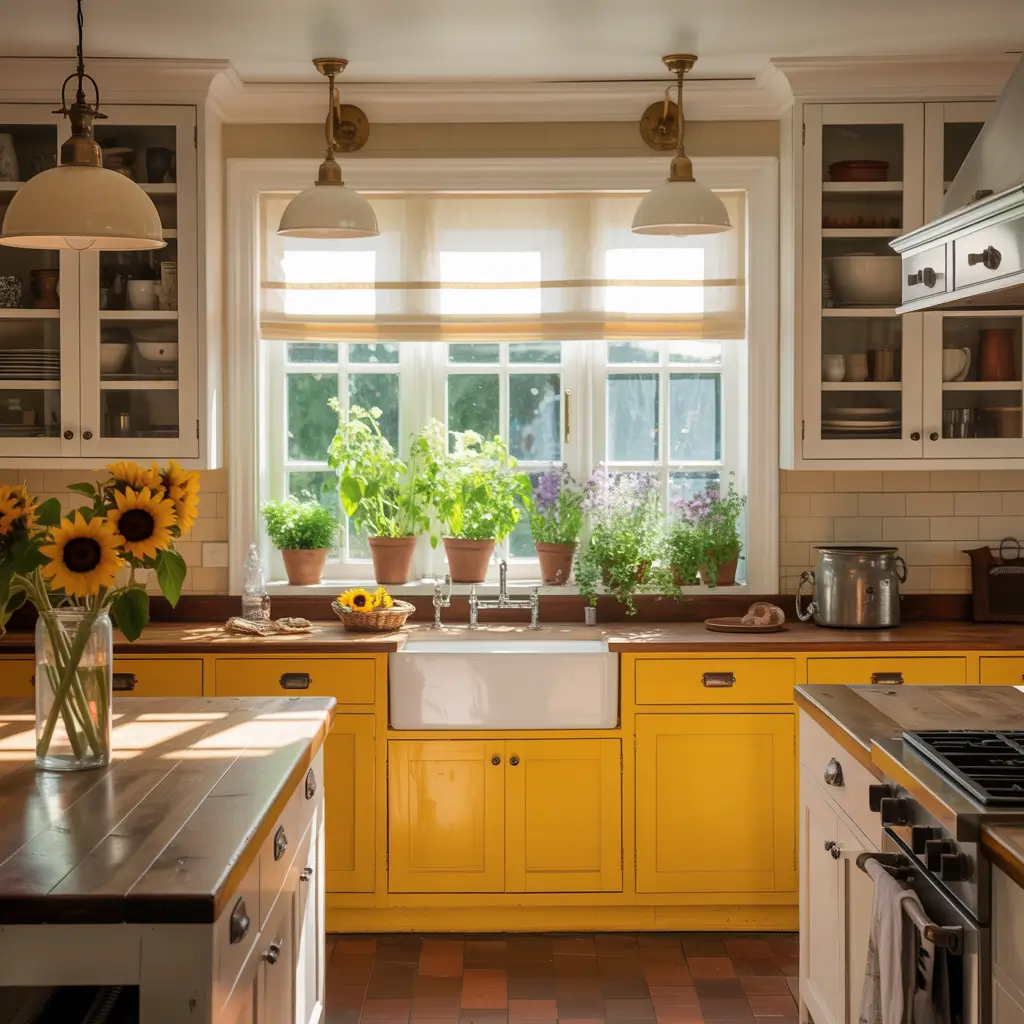
The Two-Tone Trend
Two-tone cabinets have exploded in popularity, and for good reason—they add visual interest without requiring complex design skills. Yellow lower cabinets with white upper cabinets (or vice versa) creates dimension in small kitchens while keeping things balanced.
This approach lets you incorporate yellow without going full-on color commitment. The white portion keeps things bright and airy, while the yellow portion adds personality and warmth. It’s the best of both worlds.
How to Divide the Colors
You’ve got choices for where to split the colors:
- Yellow on bottom, white on top (makes ceilings feel higher)
- White on bottom, yellow on top (unexpected but can work)
- Yellow on perimeter, white on island (or reverse)
- Alternate yellow and white cabinets in a pattern (bold move)
My vote? Yellow on bottom, white on top. It grounds the space, hides lower cabinet wear-and-tear better (yellow shows fewer scuffs than white), and the white upper cabinets reflect light beautifully.
Soft Yellow Walls with Rustic Wood Floating Shelves
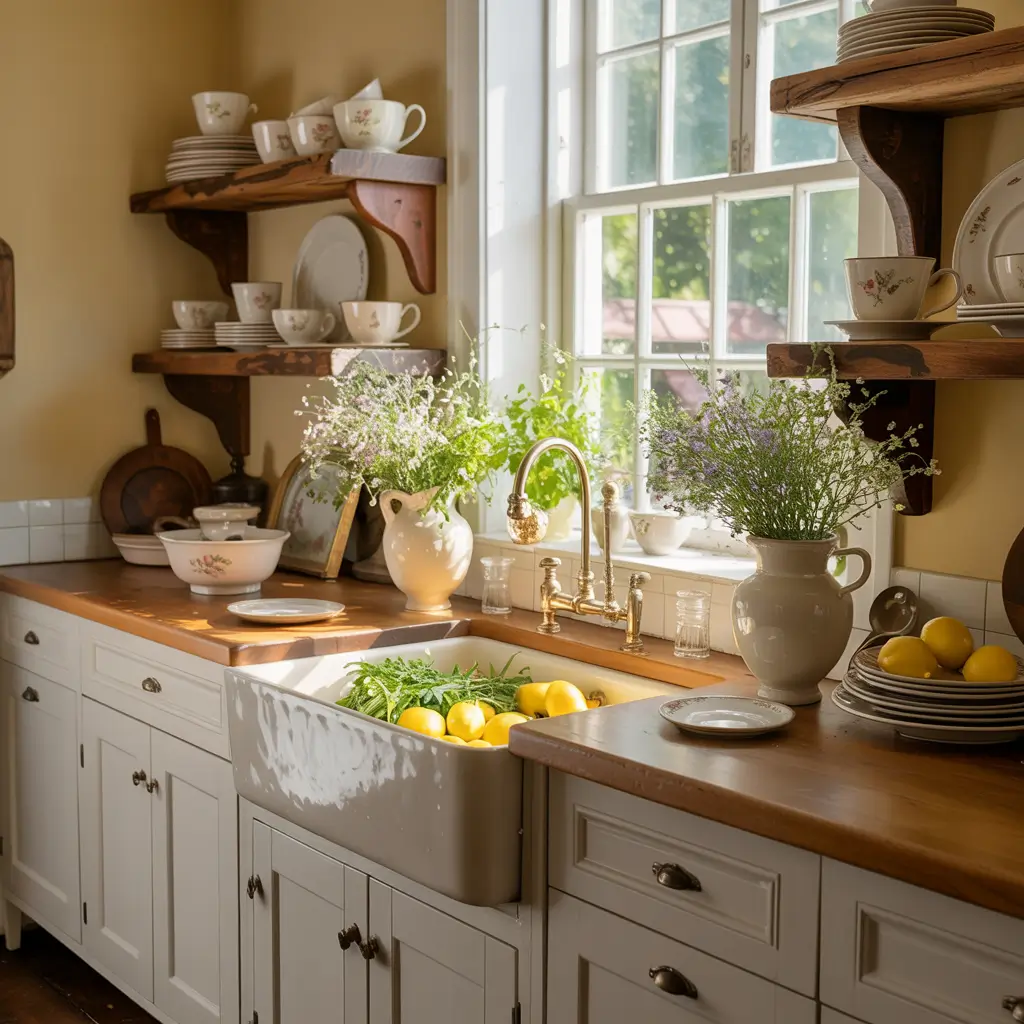
The Floating Shelf Phenomenon
Floating shelves are everywhere for a reason—they’re sleek, functional, and relatively easy to install (assuming you find the studs correctly, which… good luck). Rustic wood floating shelves against soft yellow walls create a farmhouse look that’s both modern and timeless.
The warm yellow background makes the wood shelves pop, and the open storage keeps small kitchens from feeling closed-in. You can style the shelves with farmhouse dishes, plants, cookbooks, and decorative items that make the space feel personal.
Installation and Styling Tips
Here’s what I’ve learned from installing multiple floating shelves:
- Use a level (seriously, eyeballing it never works)
- Install shelves at varying heights for visual interest
- Choose chunky, thick wood (at least 2 inches) for authentic farmhouse vibes
- Don’t overload shelves—leave some breathing room
- Group items in odd numbers for better composition
Soft yellow walls with floating shelves also give you flexibility. You can change your shelf styling seasonally, swap out colors, and adjust as your style evolves. The yellow background stays constant while everything else can shift.
Sunflower Yellow Farmhouse Decor Accents
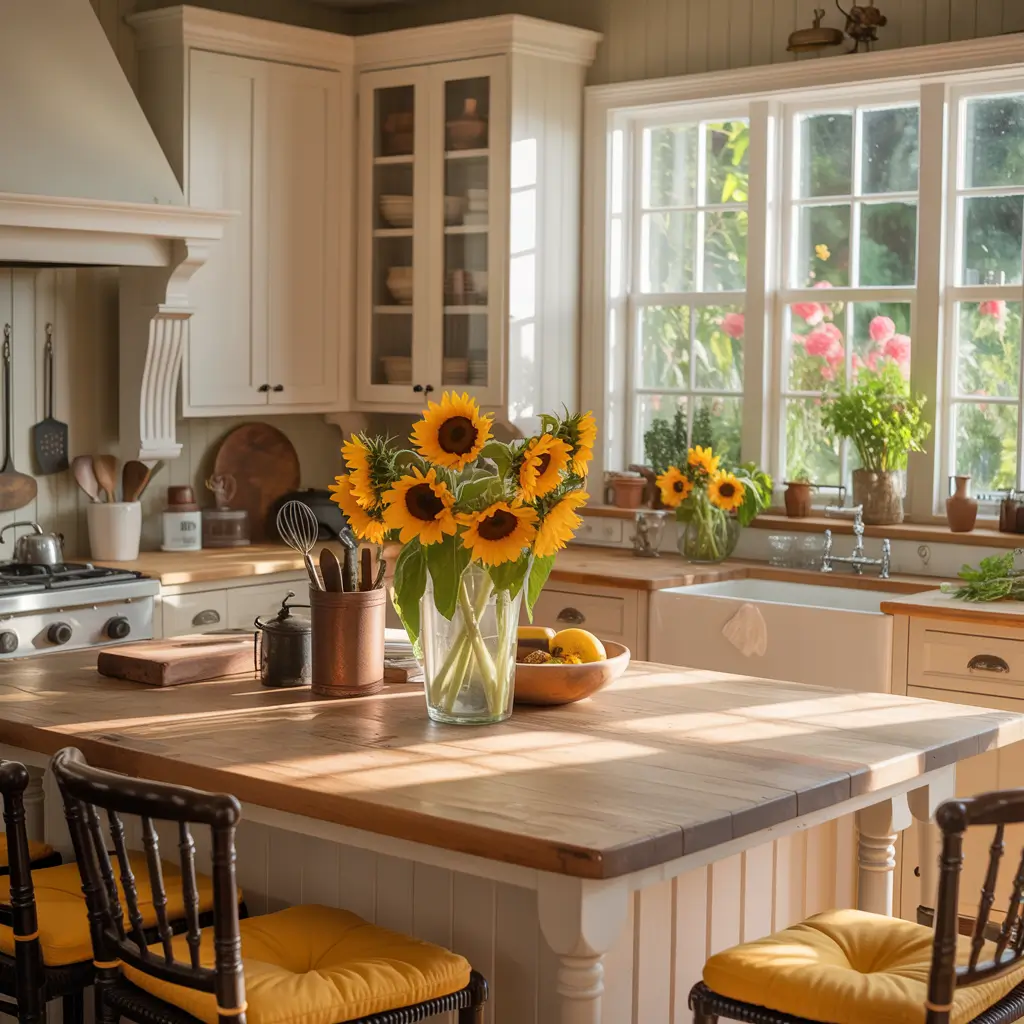
The Power of Accents
Maybe you’re renting. Maybe you’re not ready for permanent yellow changes. Maybe you just want to test the waters before committing. Sunflower yellow decor accents let you incorporate this cheerful color without painting a single thing.
We’re talking dish towels, canisters, cutting boards, utensil holders, small appliances, cookbooks, artwork, and yes—actual sunflowers in a vase. These small touches accumulate to create a cohesive yellow farmhouse theme that feels intentional, not random.
Curating Your Accent Collection
The key to making accents work is repetition and balance. Here’s my formula:
- Choose 3-5 yellow accent pieces of varying sizes
- Distribute them throughout the kitchen (not all in one spot)
- Mix different shades of yellow for depth
- Balance with neutral elements so it doesn’t feel overwhelming
- Swap seasonally to keep things fresh
I keep yellow dish towels, a yellow vintage mixer (that I actually use), and yellow canisters on my counter. Combined with a few other yellow touches throughout the space, they create cohesion without screaming “I’M OBSESSED WITH YELLOW!” (Even though I totally am.)
Making It Look Collected, Not Coordinated
Here’s the difference between “farmhouse” and “catalog showroom”: farmhouse looks collected over time. You want pieces that look like you found them at different places, inherited them from family, or scored them at flea markets.
Avoid buying everything from one store in one shopping trip. Mix vintage with new, expensive with budget, handmade with mass-produced. That variety creates the authentic, lived-in farmhouse aesthetic we’re after.
Wrapping This Up
Look, transforming your small kitchen with yellow farmhouse ideas doesn’t require a massive budget or professional help. Start with one or two ideas that speak to you—maybe you paint your pantry door mustard yellow and add some brass hardware. Or perhaps you grab some yellow bar stools and a coordinating rug.
The beauty of these 15 ideas is that you can mix and match them based on your style, budget, and commitment level. Yellow brings warmth, energy, and personality to small kitchens that desperately need it. The farmhouse aesthetic keeps everything grounded and cozy instead of cold and modern.
I’ve personally tried most of these approaches (my kitchen has been a constant work in progress), and the yellow farmhouse combination never gets old. It photographs beautifully, it makes me happy every time I walk into the room, and guests always comment on how welcoming the space feels.
So grab some paint samples, start scrolling for vintage hutches, or just buy some cheerful yellow dish towels. Your small kitchen is about to get a whole lot more interesting. And honestly? Life’s too short for boring kitchens that don’t make you smile.